Nintendo’s Virtual Boy was the company’s worst-selling console, with just 770,000 units sold as of June 1996, according to a report from that period. The system launched in North America in August 1995 and was discontinued quietly after its last North American game, Tetris 3D, shipped in March 1996. Europe never received the hardware. By comparison, the Wii U, often cited as a major failure, sold 13.6 million units, making the Virtual Boy’s total far lower than any other Nintendo platform.
The Virtual Boy used a binocular-style viewfinder mounted on a stand, showing stereoscopic 3D images through red-and-black graphics. Nintendo said adding full color would have made production too expensive. The display relied on oscillating mirrors reflecting a single-pixel-wide line of LEDs, and a slider on top of the unit adjusted the distance between mirrors. Many users reported eye strain, headaches, and nausea, and the system included a built-in reminder to take breaks every 15 minutes. The hardware ran on six AA batteries in the controller, with an optional wall-plug adapter.
The controller featured a double D-pad design, but the A/B and Start/Select buttons were identical in shape, making them easy to confuse since players could not easily look down. The console was a solo experience, which alienated groups, and it was not portable despite its small size. The system’s game library was largely unremarkable, with many titles relying on wireframe graphics and dark screens, and genres like sports, arcade, and puzzle dominated. Major Nintendo franchises such as Zelda, Metroid, and Kirby were absent.
A few games stood out, including Teleroboxer, which offered puzzle-fighting similar to Punch-Out!!, and the pack-in title Mario’s Tennis, the first game in the Mario Tennis series. Virtual Boy Wario Land is widely considered the best game for the system, with sharp graphics and a feature allowing players to switch between background and foreground layers. However, most titles felt like short tech demonstrations rather than full releases, and the library was too thin to justify the console’s price.
The Virtual Boy was rushed to market so Nintendo could focus on the upcoming Nintendo 64. In North America, the Sony PlayStation arrived a month after the Virtual Boy and offered superior 3D graphics. Trial experiences, such as rentals at Blockbuster, revealed the system’s limitations. Nintendo remained mostly silent about the Virtual Boy for decades.
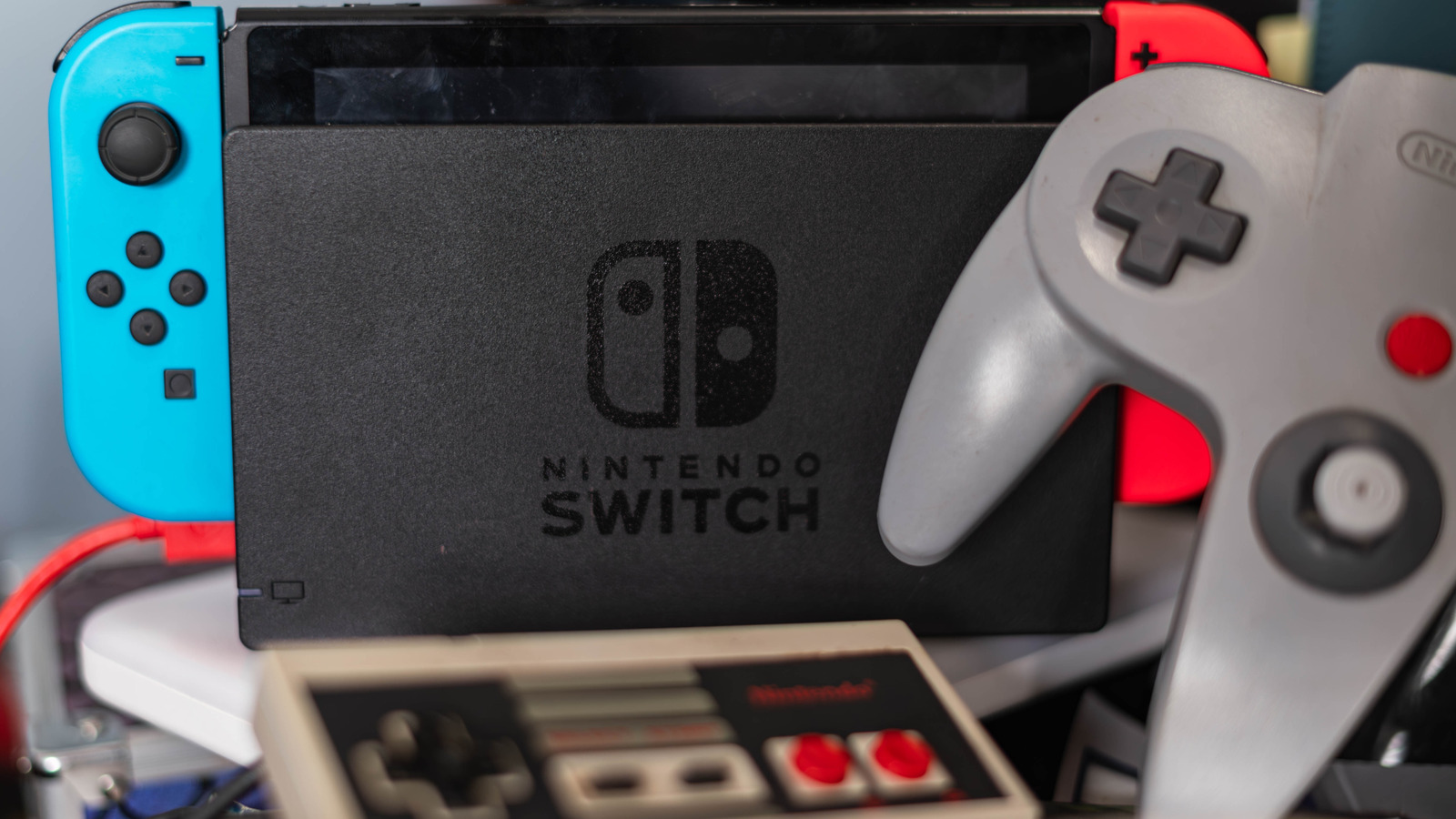
In September 2025, Nintendo announced that Virtual Boy games would become available through the Nintendo Switch Online + Expansion Pack service. Players can use a cardboard slot or a replica of the original Virtual Boy to view two images on the Switch or Switch 2 screen, with lenses producing the 3D effect. An August 2026 update allowed users to change the red color to other options. The Expansion Pack costs $50 per year, the replica model is $100, and the cardboard version is $25. The 3D effect cannot be disabled, so the games cannot be played on a TV.
More gadget news from TechManNews.