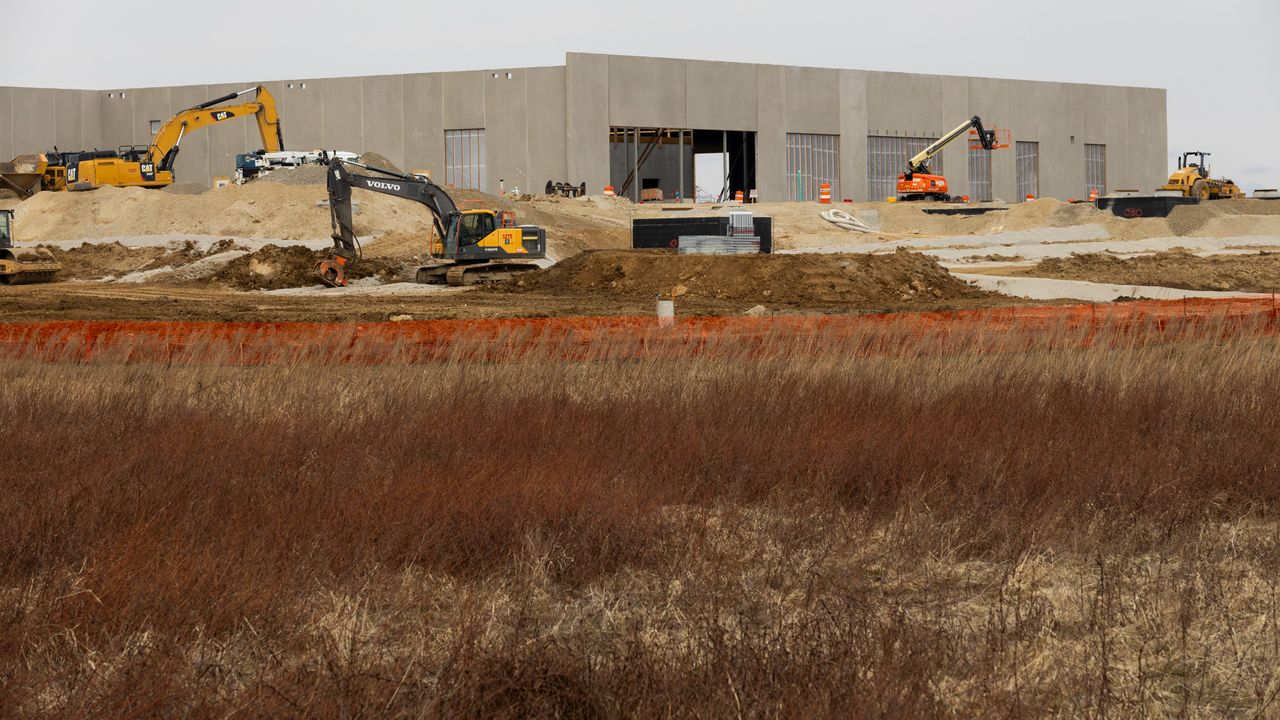
Data center developers behind a proposed campus in Frederick County, Maryland, have offered what is being described as the largest community benefits package ever seen in the United States, pledging $110 million in total investments if the project is approved. The package includes a $30 million elementary school, $40 million in recreational facilities, a $14.5 million workforce training center, and $10.5 million for agricultural preservation. The Frederick Digital Campus would also pay an estimated $215 million in annual property taxes once completed, which would represent a 40 percent increase in tax revenue.
The developers have additionally agreed to construction concessions, cutting the project's square footage by nearly 20 percent and reducing potable water usage by 80 percent. Up to $100 million has also been proposed for a water reclamation system. If approved, the campus would count Amazon and Aligned Data among its tenants.
The proposal arrives as data center developers including Amazon, Microsoft, and Oracle face mounting residential pushback over large AI facilities. According to the report, developers are moving toward concrete financial commitments rather than public relations messaging, offering municipalities and regulators sweeter terms to secure approval while taking on more of the cost of utilities such as electricity. The arrangement is characterized as reflecting a growing consensus among technology companies and host governments to end giveaways to developers and deliver benefits to nearby towns more quickly.
The trend extends beyond Maryland. AWS has reportedly announced it will not seek economic incentives to reduce the tax burden on its 4.5GW, 36-building data center campus in Homer City, Pennsylvania. In Wisconsin, Microsoft is said to have challenged a proposal from American Transmission Co. and We Energies for its data center, arguing the plan did not do enough to shield retail customers from bearing costs if demand fell short of projections. Google and Amazon have also lobbied Virginia regulators to ensure they, rather than an energy company marking up customer bills, would fund transmission upgrades needed for their infrastructure.
Local opposition to data center construction has centered on water supplies, energy rates, and noise pollution. Big Tech has reportedly spent more than $1 trillion on AI infrastructure, a figure that makes even nine-figure community investments relatively small. Meanwhile, regulators are slowing the pace of buildouts, with roughly 500 data centers on hold across the US because of moratoriums and legal pauses.
More hardware news from TechManNews.