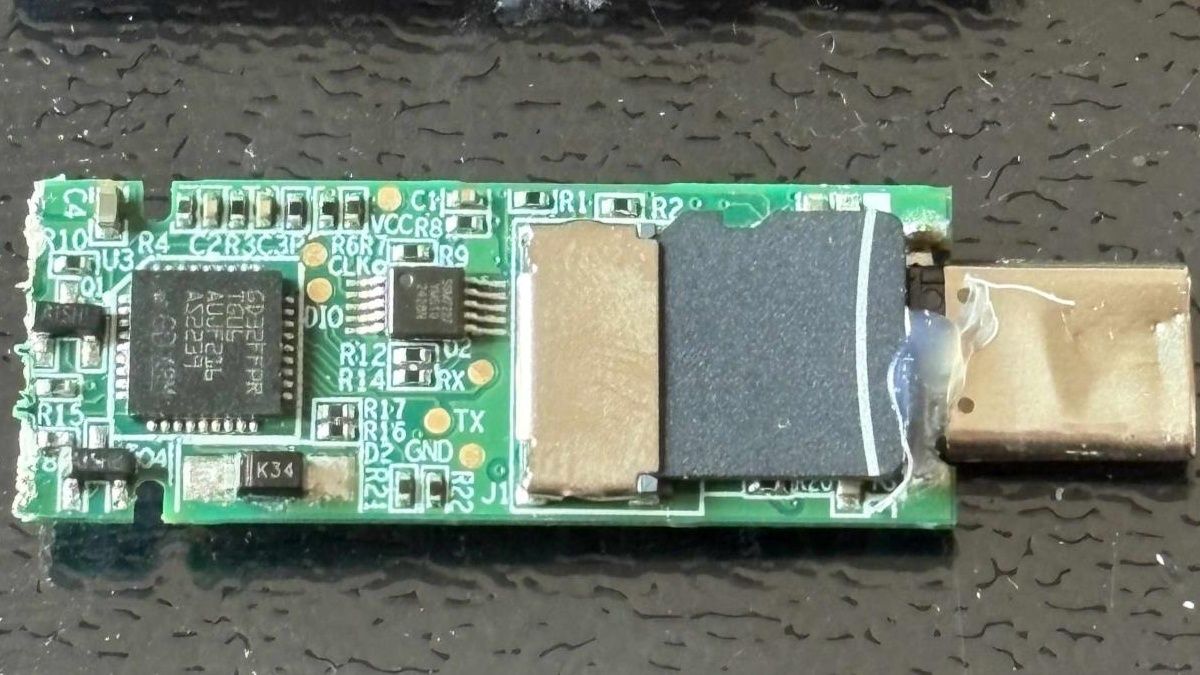
A technology journalist has demonstrated that a $50 development kit can replicate much of the functionality of Meta’s upcoming Muse Charm, a Tamagotchi-like AI companion device that Meta CEO Mark Zuckerberg is positioning as a holiday product. In a first-person account, The Verge senior editor Sean Hollister described buying the Waveshare ESP32-S3 1.75C, a 1.75-inch touchscreen computer pendant drop-shipped from China, and reprogramming it with Anthropic’s Claude Code. Hollister has no coding experience.
The device is officially sanctioned by Meta, which lists it among its first suggestions for building a “Muse Gadget” - hardware that uses Meta’s open-source code and tokens to connect directly to its Muse AI cloud. Meta AI software engineers Anant Narayanan and Jeremy Payne include a sample app showing how Muse Gadgets can stream video from a phone camera. Hollister paired the pendant to the Muse phone app and installed Meta’s keys, but found the stock build limited: Muse initially treated audio as clips to transcribe, replies were slow and silent, and only a few words appeared onscreen at a time. The build shipped with a single Jolly avatar, did not automatically discover smart home gadgets, and lacked a remote shutter button.
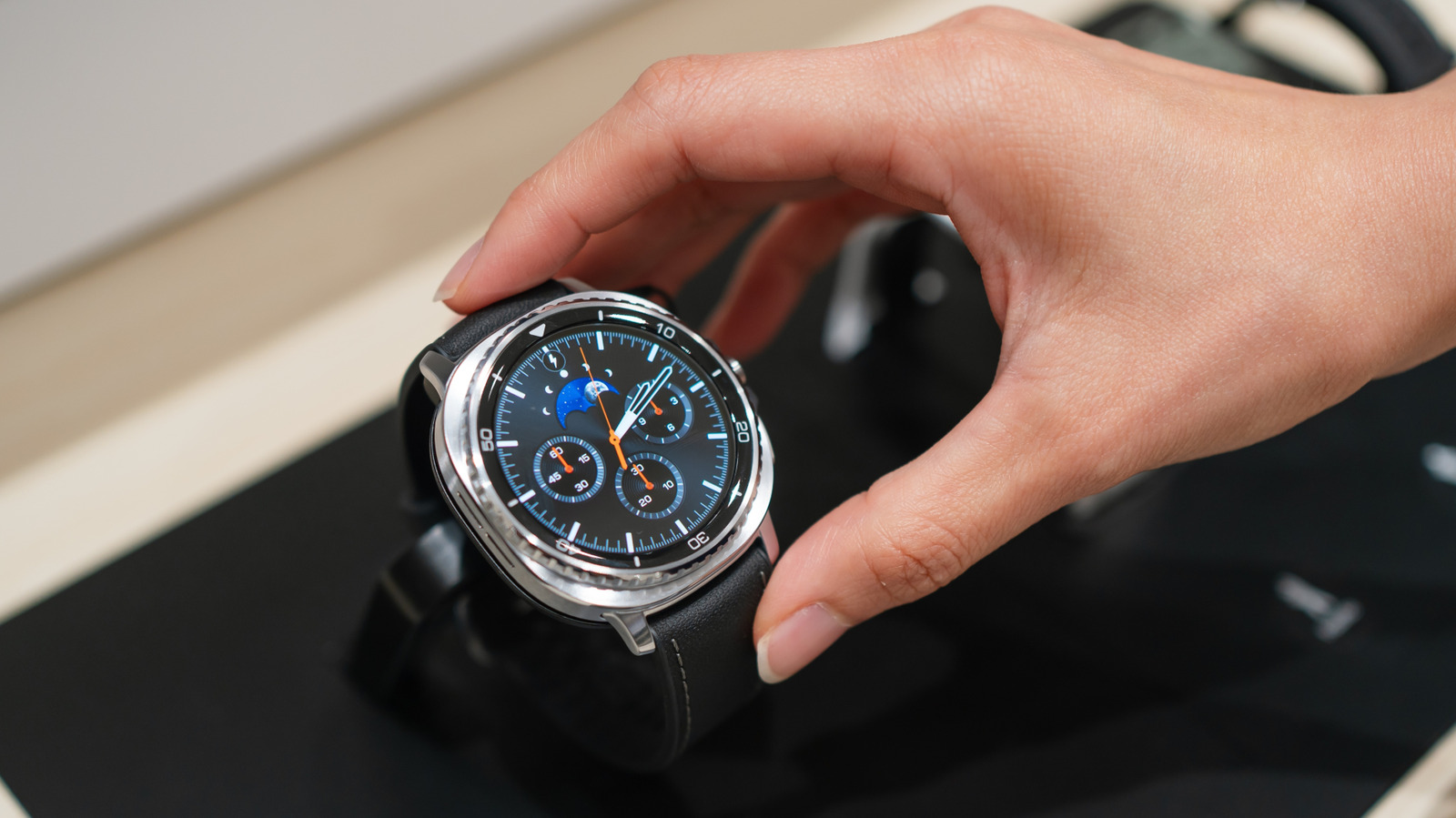
Using Claude Code, Hollister added a conversation history page, a British AI voice from ElevenLabs that speaks replies aloud, and a button that triggers a phone camera capture with a live preview. A low-quality camera preview over Bluetooth was also added, so photos can be taken without home Wi-Fi. Hollister had Claude generate additional avatars and build a Tamagotchi-like minigame with four levels of hunger, boredom and dirt, plus a working pocket watch face with three hands that took 15 minutes.
Hollister said the only obvious lag now comes from Meta’s servers, which are sometimes responsive and sometimes slow. He also said he does not trust Meta or its Muse agent with his email or home network, particularly after hearing how it leaked one reviewer’s home address, and put the device on guest Wi-Fi as a precaution. He said he does not know whether the code is good and that it might be fatally flawed. Hollister concluded that Muse itself is not the reason to buy a dedicated compute pocket watch; the reason is doing things a phone cannot, such as programming the gadget to do whatever the owner wants. He questioned whether the actual Muse Charm will be as freely programmable when it ships.
More AI news from TechManNews.