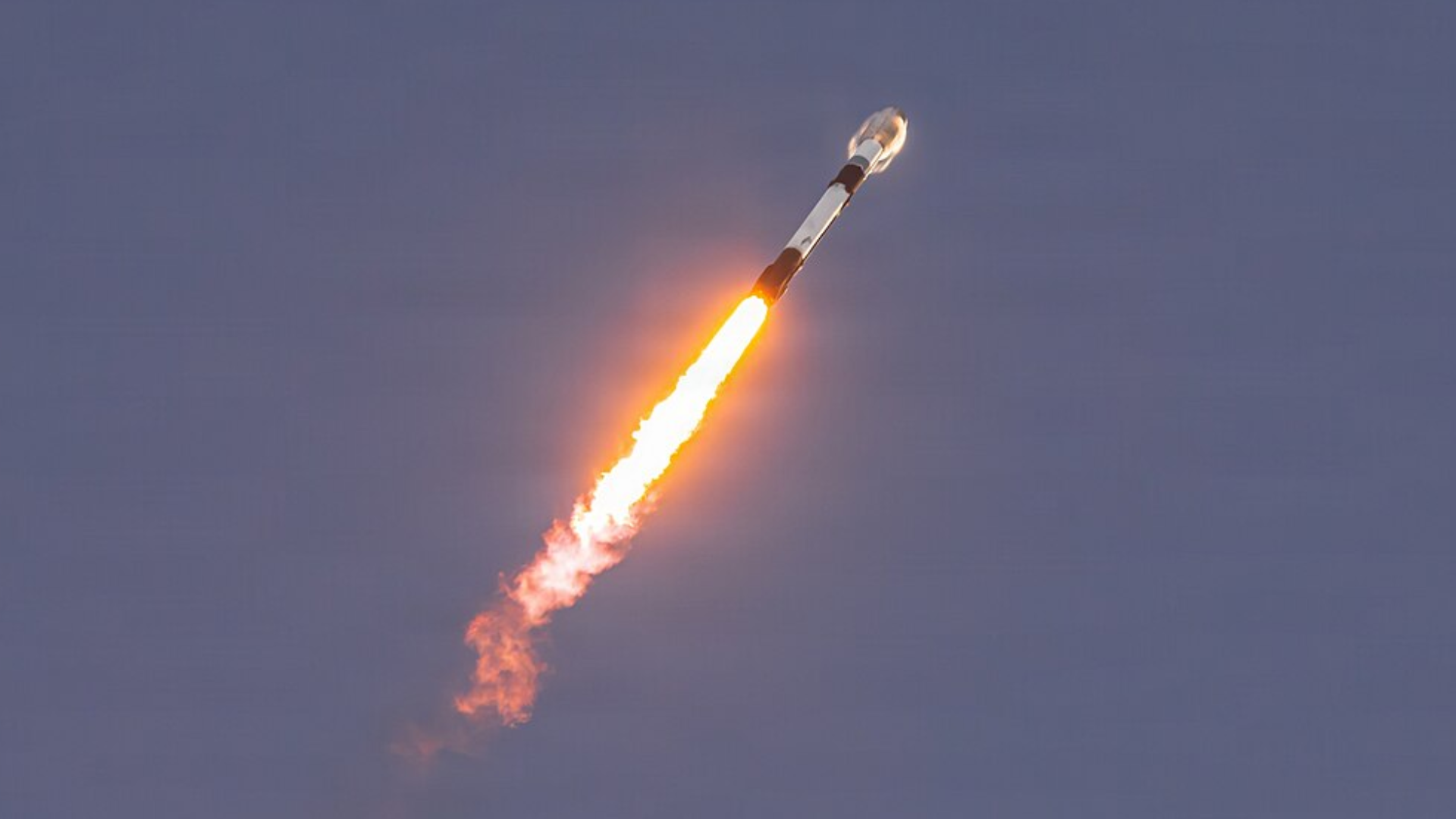
The U.S. Air Force has successfully tested dropping SpaceX Starfall cargo drop pods from space, a step toward resupplying forces virtually anywhere in the world. The mission tested the point-to-point delivery (P2D) capabilities of Rocket Cargo. That capability is intended to let forces resupply troops without putting other assets, such as aircraft and aircrews, at risk, particularly in areas where there is active combat.
The Air Force Research Laboratory (AFRL) agile cargo pods were recovered after splashdown in the Pacific Ocean with support from SpaceX, according to an October 26, 2026 post. Each pod carried representative mission equipment so researchers could study how temperature, shock, and vibration affected the cargo during launch and reentry.
Adam Remaly, director of the AFRL Technology Transition Office, said in a statement that the test was a critical achievement showing the potential of Rocket Cargo delivery for point-to-point rapid global mobility for the Future Force. He said cross-discipline collaborations and the ability to unleash the speed of the defense industrial base are key to maximizing capability and winning the future.
The Starfall capsule resembles a hockey puck, measures about 10 feet across, and has a capacity of up to 2,200 pounds. A carbon fiber heat shield protects its contents during reentry, compressed gas thrusters control its attitude in flight, and a parachute system slows the entire system for landing. The Air Force is reportedly hoping to raise the capacity limit into the order of tens of tons, which could potentially allow it to resupply ammunition and weapon systems and even deploy vehicles from space. That would have to wait for the larger SpaceX Starship rockets, which are still in development.
Although the latest test relied mostly on SpaceX technologies, SpaceX is not the only company developing this capability for the U.S. military. Sierra Space, a subsidiary of the Sierra Nevada Corporation, is also working on the Ghost reentry vehicle and has already conducted test drops of the system from heights of 35,000 and 68,500 feet.
The ability to resupply troops across long distances without relying on a long logistical tail is crucial for the U.S., especially as it faces a potential adversary in the Pacific. For the same reason, the U.S. Navy has been experimenting with 3D-printing technologies that would let it print parts onboard carriers and at forward bases instead of waiting for shipments from across the ocean.
More hardware news from TechManNews.