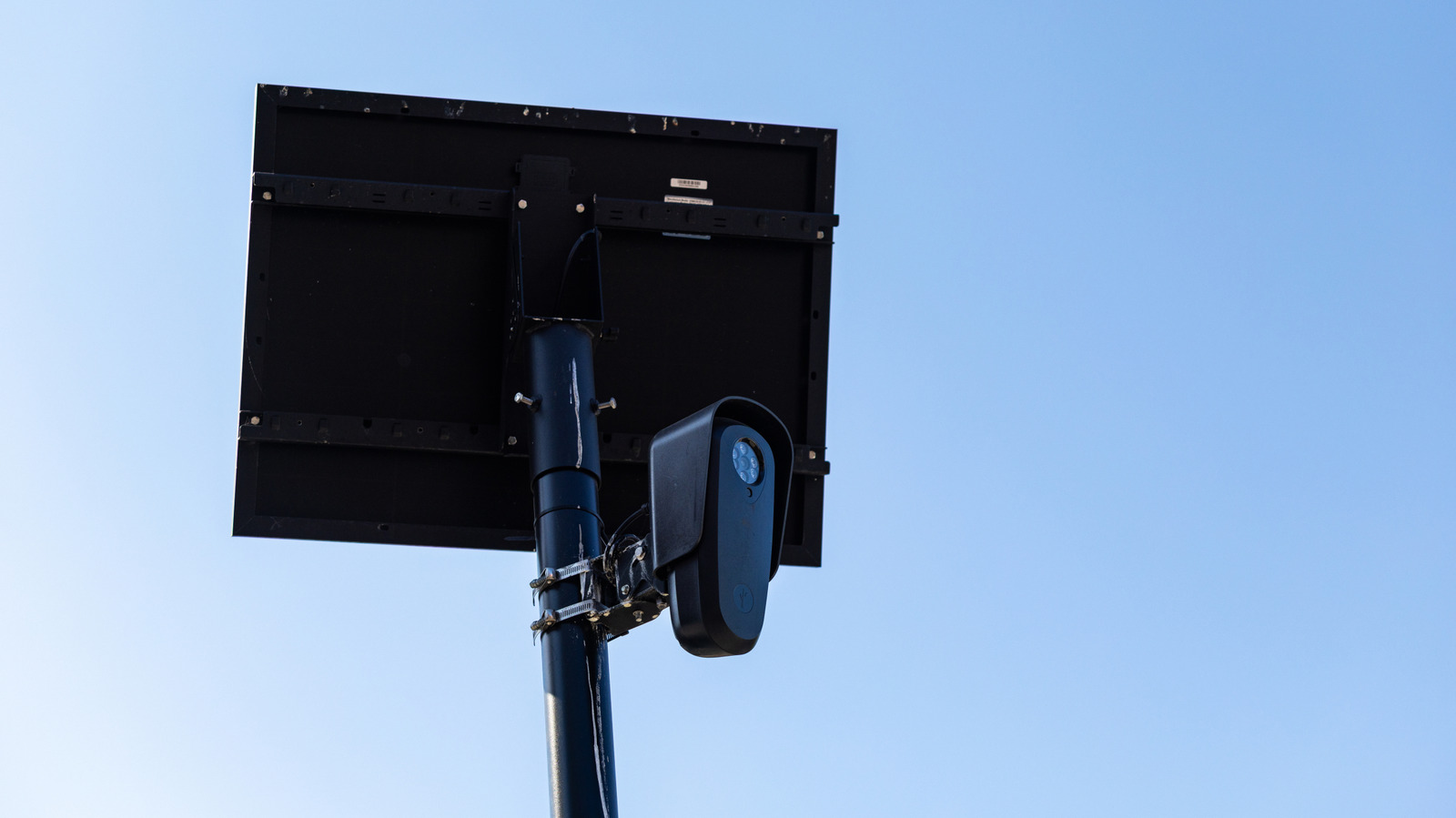
Florida has banned automatic license plate readers from state roads, with permits revoked immediately and removal required within 30 days of August 31. The directive, issued by the Florida Department of Transportation, also halts all future requests for such systems within the agency’s jurisdiction. The action follows Governor Ron DeSantis’s August 2026 statement that use of the technology was “out of control” in the state, according to the memorandum.
The ban applies only to state roads, leaving the vast majority of license plate readers unaffected. DeSantis acknowledged on a podcast that changing DOT rules does not impact the 98 percent of automated license plate readers installed on local roads and private property. Sheriffs in Jacksonville and Okaloosa County have separately committed to removing the cameras from their jurisdictions, though further removals would require public pressure or new legislation. The memorandum cites the exponential increase in deployments and concerns about misuse, data privacy, and surveillance schemes as reasons for the immediate action to protect Floridians’ sovereignty and quality of life.
Automatic license plate readers have been used for decades in contexts like red-light enforcement and toll collection. Law enforcement agencies rely on them for finding stolen vehicles, locating missing people, and generating leads in criminal investigations. Less than two weeks before Florida’s ban, the technology helped locate a murder suspect who had fled the state for West Virginia. The devices remain a common tool for police across the country.
The ban targets Flock, the company that has faced the most backlash over its cameras in 2026. Flock’s website promotes broader uses for its systems, such as allowing firefighters to assess a fire before arriving on scene. However, public concerns center on constant surveillance and documented cases of camera misuse. The company has responded with software updates and policy changes limiting how long it stores footage, but continued outcry and vandalism of its equipment have prompted regulatory responses.
Several other jurisdictions have taken similar steps. The Los Angeles Police Department suspended its contract with Flock in July. In early August, two counties in Ohio paused their use of Flock cameras following reports of alleged misuse. Texas Governor Greg Abbott went further, pausing funding for state agencies seeking to acquire Flock hardware. Most of these actions focus specifically on Flock rather than license plate readers generally, but they indicate a willingness among officials to reconsider public safety approaches.
The Florida directive does not affect local roads, where most cameras operate, nor does it address private property installations. The ban is limited to the state’s own roadway jurisdiction, leaving local decisions to individual communities and counties. Whether other regions follow Florida’s lead remains an open question, as regulators weigh the technology’s law enforcement benefits against privacy concerns documented in recent misuse reports.
More gadget news from TechManNews.