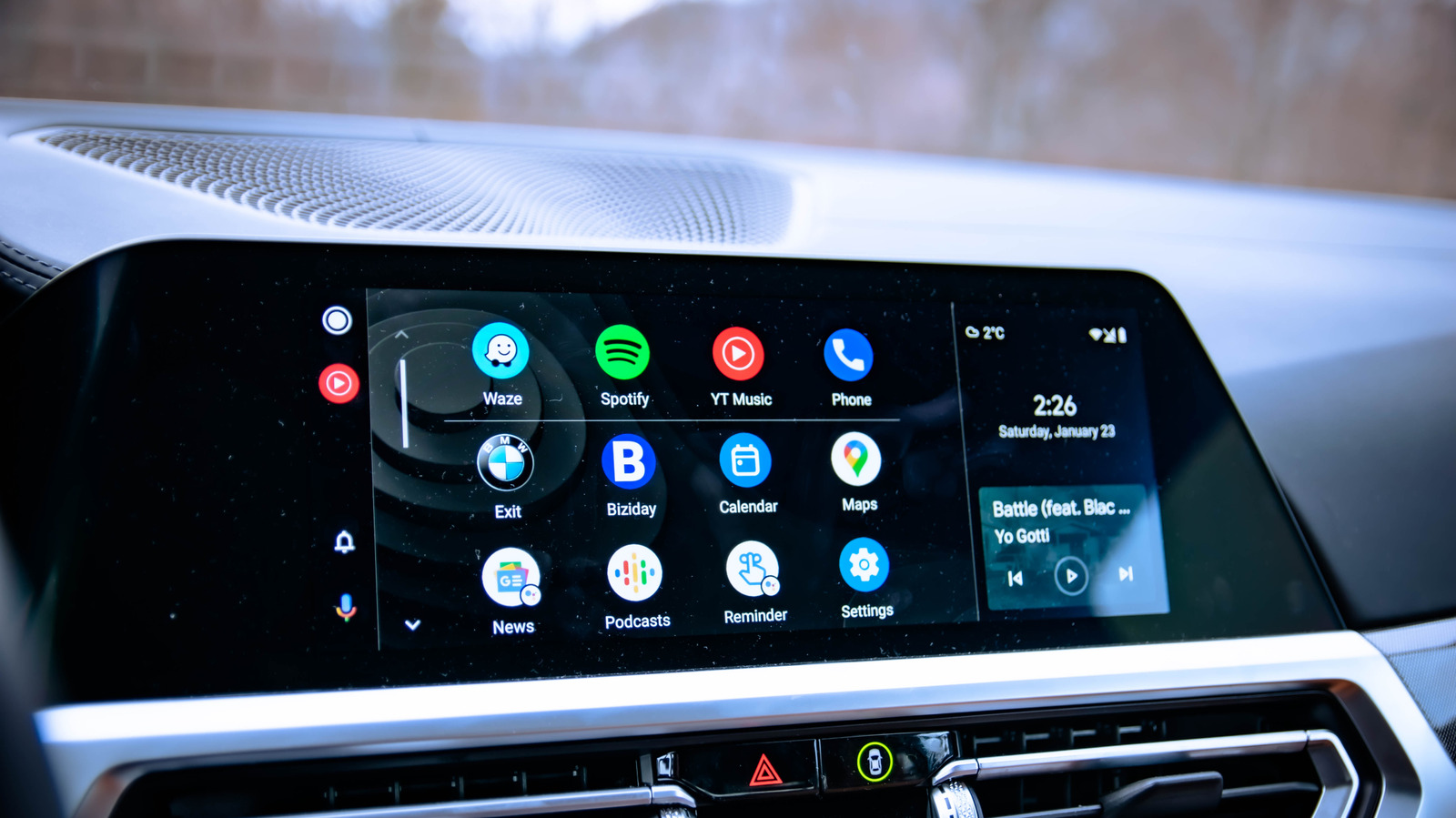
Android Auto compatibility is largely determined by the phone’s software and the car’s support, according to a recent guide. Most Android smartphones released in the last decade include the mirroring app, which lets drivers access messaging, calls, music, and navigation through a car’s dashboard. However, the guide notes that exceptions exist, and users may encounter issues even with fully supported devices.
Phones running Android 9 do not have Android Auto pre-installed but can download it from the Google Play Store for wired use. Google states that over 500 vehicles now support Android Auto, though car age and specifications can affect compatibility. For wireless Android Auto, a phone must run Android 11 or later and support Wi-Fi on the 5 GHz band, which typically includes models from the last five to six years.
The fragmentation of the Android ecosystem complicates matters compared to iPhones, which only receive updates from Apple. Custom ROMs or alternative operating systems may not include Android Auto by default. GrapheneOS, a privacy-focused Android-based system, omits the app unless users grant specific permissions related to sandboxed Google Play services. CalyxOS, another third-party OS, supports Android Auto from release 6.4.2 onward but requires manual enabling. Phones lacking Google Play services or running de-Googled custom ROMs often lack automatic support.
Connection problems are the most frequent obstacle for Android Auto users. For wired connections, Google recommends using a cable shorter than six feet, noting that charging-only cables will not work because data transfer is required. Users with faulty cables should simply replace them. For wireless connections, removing the car from the phone’s connected devices list and reconnecting it as a new device can reset the link, though this is not a guaranteed fix.
Virtual private networks can also block Android Auto from connecting. Users can turn off the VPN while in the car or enable split tunneling, which routes some app data through the VPN while allowing Android Auto to bypass it. The guide advises that split tunneling depends on the VPN provider’s support for the feature.
Modern Android phones released since 2018 should support Android Auto natively, and even third-party systems like GrapheneOS can work with the right permissions. If a phone is incompatible, a software update to Android 11 or later may enable wireless support, depending on the device. Otherwise, upgrading to a newer handset is the only option. The problem may also lie with the car itself, so drivers should verify vehicle compatibility through online checks or the owner’s manual. Cars without built-in wireless Android Auto can use a plug-in wireless adapter that connects via Bluetooth through the USB port.
More gadget news from TechManNews.