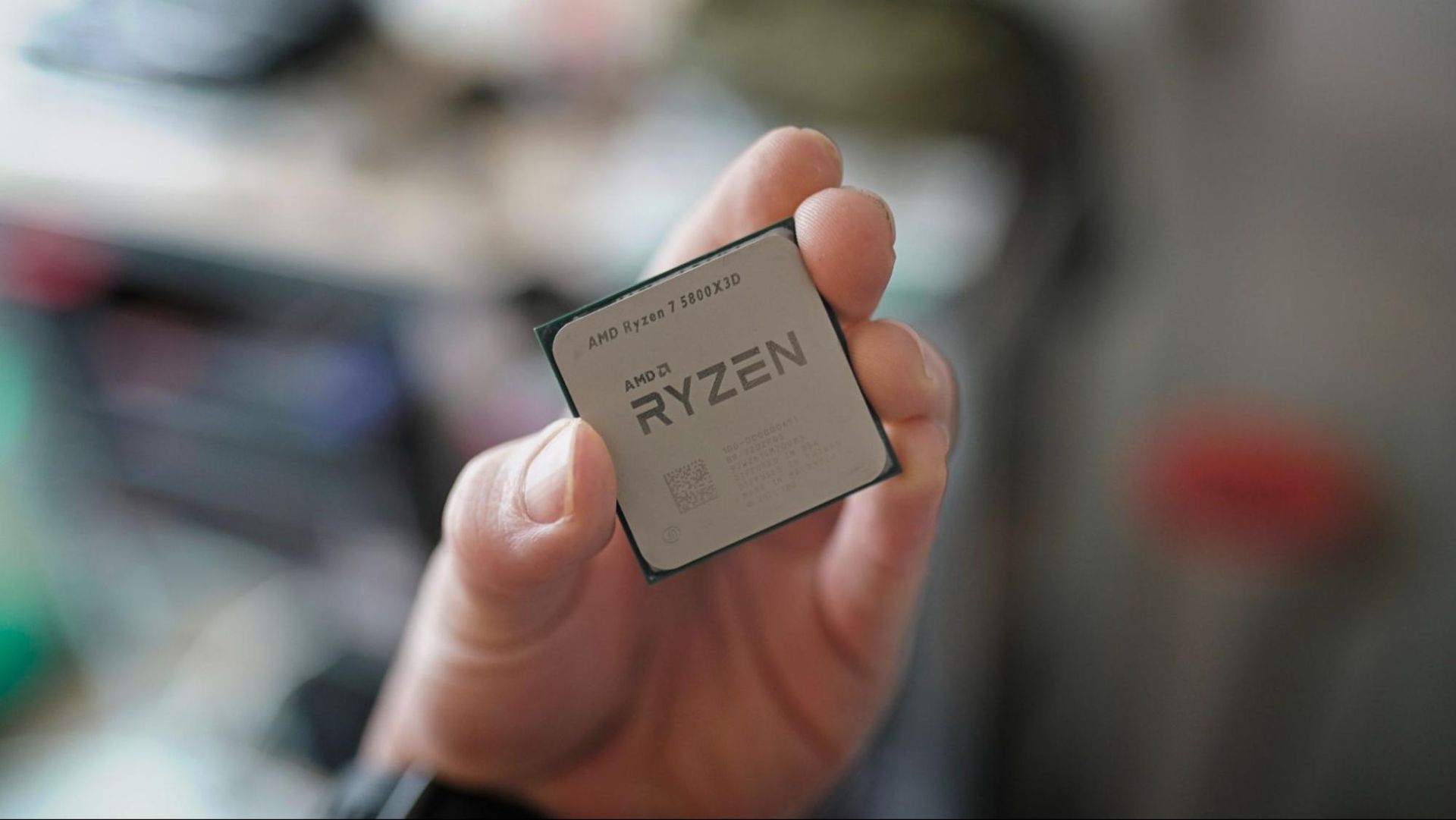
AMD chief executive Lisa Su put a plan in motion to bring back the Ryzen 7 5800X3D before the recent changes in the memory market, according to comments from AMD's Kirsch reported by Tom's Hardware. The relaunch is aimed at users of the AM4 platform, which AMD says has been in service for nearly a decade, and gives systems built around DDR4 memory a last opportunity to upgrade.
Kirsch said the decision was made before DDR5 memory prices rose sharply after the newer memory standard arrived in the middle of 2026, and that the relaunch was not a response to DDR5 shortages. He characterized it as a final gift to local users who have stayed on AM4. The return of the four-year-old processor was not a simple reissue: AMD had to do extensive re-engineering and update its manufacturing process with TSMC to produce it again.
The Ryzen 7 5800X3D was not the only topic raised in the interview, which was conducted with a Japanese publication. Kirsch also addressed AMD's value offerings at a time when four Ryzen 3 processors are available new, one for AM5 and three for AM4. That lineup has raised questions about whether AMD is stepping back from the entry-level market.
Kirsch said AMD intends to offer a product at every price point but is mostly concentrated on the premium, high-performance gaming market. He pointed to the October Steam Survey results, where AMD reached 48.4 percent CPU share and is closing in on Intel. He added that the affordable CPU segment is no longer as large as it once was because laptops have taken over that portion of the market.
The conversation also covered the memory chip shortage affecting the industry. Kirsch said there are factors AMD can control and factors it cannot, and that market price trends reflect the actions of everyone in the market rather than any single company. He said AMD is focused on giving consumers choices in any situation so they can buy the best AMD PCs regardless of price.
For US buyers, the relaunch keeps a DDR4-based upgrade path open on AM4 while DDR5 pricing remains elevated, and the entry-level question matters for budget-minded consumers who have traditionally looked to Ryzen 3 parts. AMD's stated emphasis on premium gaming chips and the shrinking low-end market frame both topics.
More company and startup news from TechManNews.