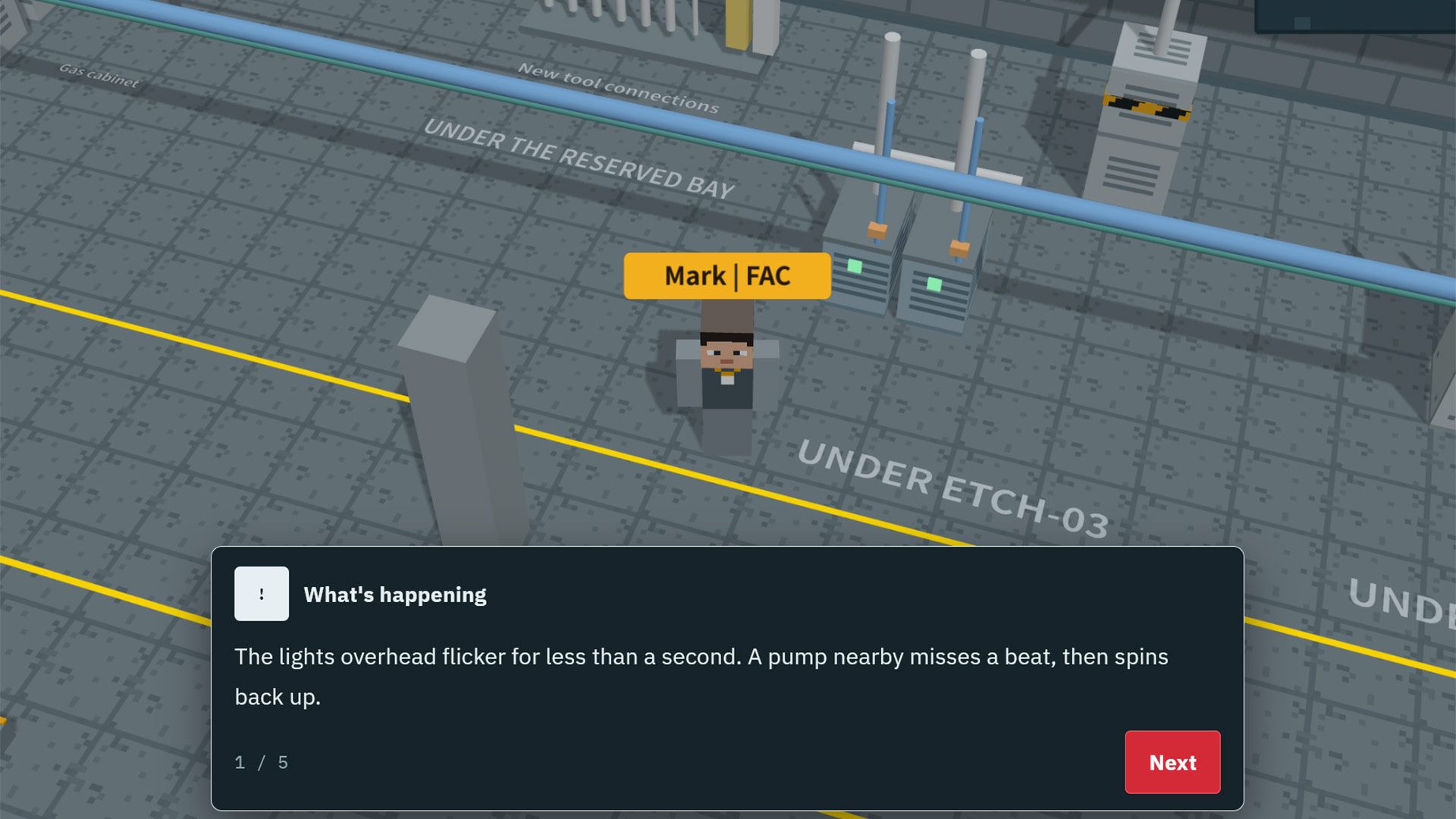
The common thread in this week's chip news is that memory has moved from a supporting component to the constraint that shapes products, forecasts and even public fascination with semiconductors. An unconfirmed AMD engineering sample pairs six CPU cores with an unusually large 24GB of LPDDR5 memory, Micron's results are being read as evidence that the memory bottleneck has replaced the GPU bottleneck, and a browser game about wafer-fab work has gone viral in Taiwan. Each points at the same thing: capacity, not compute alone, is setting the terms.
The Handheld That Carries a Server-Sized Memory Pool
As Tom's Hardware reported, a mysterious AMD Zen 6 APU has appeared in benchmarks with six CPU cores, 24GB of LPDDR5 running at 9,600 MT/s, and an integrated GPU clocked at 2.4 GHz. The outlet notes that a connection to a future Steam Deck or gaming handhelds remains unconfirmed. That caveat matters, but the specification itself is the story. Six cores and a 2.4 GHz integrated GPU describe a power-constrained part; 24GB of fast LPDDR5 describes a device designed to hold large assets in memory rather than stream them from storage.
For US consumers, the practical effect of that combination is what a handheld can do at once: keep a game resident while other applications run, or hold the larger textures and assets that current console-style experiences assume. For US chip companies, it shows memory allocation becoming a primary design decision in client and handheld silicon rather than a line item settled after the CPU and GPU are chosen. The APU is an engineering sample and its product destination is unconfirmed, per Tom's Hardware, so the takeaway is about design direction, not a shipping device.
Micron and the Case That the Bottleneck Moved
SiliconANGLE's Breaking Analysis 322 makes the argument directly. The outlet had forecast a $1 trillion silicon business and says that forecast arrived two years earlier than expected, with the miss attributed to the bottleneck moving from graphics processing units to memory. Micron's third-quarter earnings print is presented as a fresh datapoint in that debate, framed around whether the industry's cyclicality is really ending.
That framing deserves care. The claim under examination is not that memory demand is strong; it is that the historical boom-and-bust pattern may be changing. If the constraint on building AI systems sits in memory supply rather than compute, then memory pricing and availability carry more weight in the cost of US-designed systems, and memory makers' results become a leading indicator for the wider chip sector rather than a lagging one. As SiliconANGLE reported, the revised timing of the $1 trillion forecast is the evidence offered. Whether that constitutes the end of cyclicality is the open question the outlet itself poses, and US buyers of systems and US firms building around them have a direct stake in the answer.