The stories on this desk share a single thread: the US technology industry is exiting its expansionary phase and returning to older disciplines. Scale through consolidation, durable hardware and services, and narrowed ambition are back in fashion, while speculative frontiers are being reframed. The details differ, but the direction is the same, and it matters most for American companies and consumers who spent the past several years paying for the industry's appetite for growth at any cost.
Consolidation Over Competition
The most direct signal is TechCrunch's report that Instacart has discussed selling itself to DoorDash and Uber. A company that defined the pandemic-era gig-delivery boom is now exploring absorption by larger competitors. The reported talks do not guarantee a deal, but the mere existence of the conversations tells you what executives and their advisers believe about standalone prospects in a crowded, low-margin delivery market. In the US, that trajectory compresses consumer choice at the top of the market. When two or three platforms control the plumbing of everyday delivery, the pressure shifts from winning customers with better service to managing costs and extracting more from each order. For US companies, the lesson is blunter: scale is being revalued as a survival asset rather than a growth story. Firms that cannot reach it may find the exit ramp is a sale.
The Return of the Durable Product
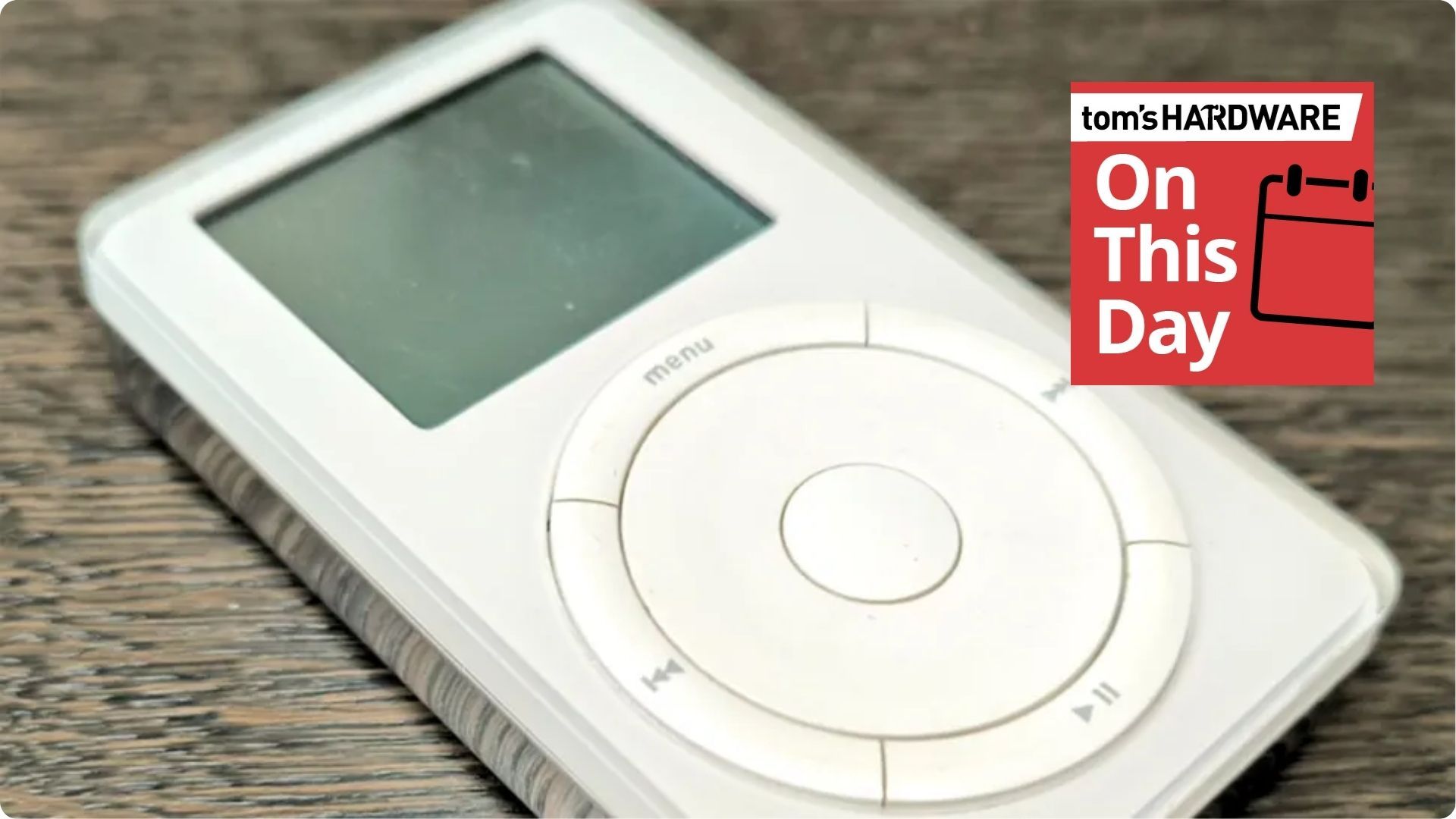
Tom's Hardware notes that the original Apple iPod debuted 25 years ago today. The anniversary is easy to treat as nostalgia, but the more useful reading is structural. The iPod was a product that did one thing, did it well, and kept earning its place in people's pockets for years. That is a different posture from the subscription-first, feature-bloated economics that have dominated American consumer technology. The iPod's long life as a reference point is a reminder that US consumers still reward products with clear utility and reasonable durability, and that companies which built such objects earned loyalty that outlasted the product line itself. In a moment when hardware makers are trying to justify annual upgrades, the anniversary is less a history lesson than an argument about where value actually accrues.
Novelty as a Business, Carefully Bounded
The Microduck robot story is the counterweight. TechCrunch reports that the hottest toy for Christmas involves Nvidia's CEO playing with the robots, with 20,000 selling as they stomped, napped, and somersaulted on voice command. This is a genuine consumer phenomenon, and it shows that novelty hardware still moves units in the US when it is cheap, charming, and tied to a trusted brand. But note the boundaries. A toy is a low-stakes, high-volume product with a short lifecycle. It generates attention and revenue without demanding the capital intensity of a platform bet. The Microduck story is not evidence that the industry has rediscovered appetite for risky hardware moonshots; it is evidence that the profitable middle ground is novelty with a recognizable name attached. American consumers get delight; the companies get volume and marketing. That is a narrower, more disciplined kind of innovation than the one the sector spent the last decade celebrating.