The wearable market's most telling recent stories are not about launches. They are about what happens after the launch: an aging smartwatch that will not receive the newest operating system, earbuds that can be repurposed rather than retired, and phone settings that determine whether a watch or earbud sounds good at all. Together they point to a single thread: the wearable business is shifting from a race to sell the next device to a contest over how long existing devices remain useful, and US technology companies sit on both sides of that shift.
The Upgrade Everyone Assumed
Samsung's release of One UI 9 Watch is the clearest example. As Engadget reported, the latest version of the company's wearable OS is arriving, and most of its watch lineup will get the update, but a set of Galaxy Watches will not. That last clause is the story. For most of the smartwatch era, an operating system update was treated as a routine event. Hardware reviewers treated it as a footnote, and buyers treated it as an entitlement. The arrival of a major wearable OS version that deliberately excludes older models is a reminder that smartwatches have matured into the same upgrade treadmill as phones, with the same consequence: ownership of a device and access to its software are no longer the same thing.
For US consumers, this changes the calculus of a watch purchase. A Galaxy Watch is not a one-time transaction but a subscription to a support window that the buyer does not control and that is disclosed, if at all, in footnotes. The practical effect is that the useful life of a smartwatch is now bounded by software policy as much as by battery health or scratched glass. That is a fairly consequential change for a category that sells itself on health tracking and daily reliability, where the value of the device depends on the software continuing to work well.
The Second Life of Old AirPods
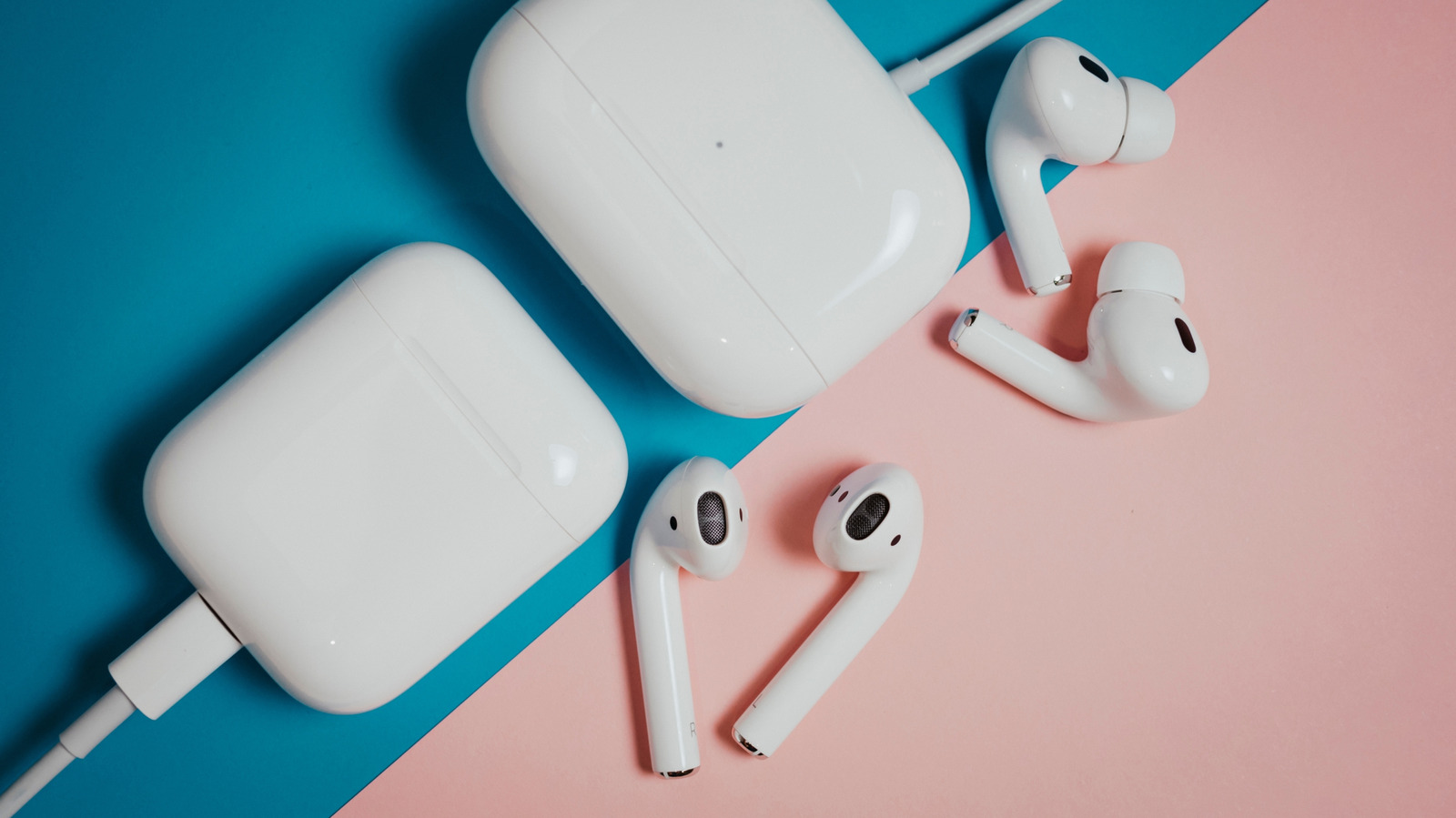
At the other end of the lifecycle, Engadget's guidance on what to do with old AirPods rather than throwing them away captures the same theme from the consumer side. AirPods are not useless after years of use and a new pair, the piece argues; they can be repurposed with a few tricks. That is a modest observation, but it reflects a real shift in how US households now treat wearable audio. Earbuds were once disposable accessories. They are increasingly treated as durable goods with a resale, hand-me-down, or second-use value, which is exactly the behavior that appears when a category gets expensive enough and good enough that replacement feels wasteful.
The repurposing advice also quietly undercuts the upgrade pitch. If an older pair of earbuds can still do useful work in a drawer, a car, or a bag, then the case for a new pair has to rest on genuine capability improvements rather than on the assumption that old hardware is dead hardware. Companies that sell audio wearables have an interest in that assumption. Consumers, increasingly, do not.