The wearables beat is running on two clocks at once. One camp is reissuing the objects Americans already loved decades ago, and the other is trying to establish a category most consumers have never worn. Both strategies depend on the same buyer, and both are being tested in the US market within weeks of each other.
Nostalgia as a Product Strategy
Two of the three stories logged on this beat are, at bottom, acts of revival. Ars Technica reports that Sony has brought back the original Walkman headphones and added USB-C, with orange ear cushions included. The Verge's account of the same revival frames it as a childhood memory: summer afternoons on a Huffy bike, later bus trips into Harvard Square to hang out at The Garage, a Walkman in a jacket pocket and headphones on the head. That is not incidental framing. It is the product. The value being sold is not audio fidelity or battery life but a remembered feeling, and the technical change - swapping an old connector for USB-C - exists mostly to make the memory usable with the cables people actually own in 2026.
That is a revealing trade. Sony is not asking consumers to adopt a new behaviour; it is asking them to re-adopt an old one, with the friction of obsolete ports removed. The modernization is deliberately minimal. The design language stays put. The past is the feature.
The Upgrade Is the Whole Story
The USB-C detail matters more than it might appear. A reissued object without it would be a collector's item, bought to sit on a shelf. A reissued object with it is a daily-use product, bought to be worn on a commute. Sony is threading a narrow needle: keep enough of the original to trigger recognition, change enough to avoid the small daily annoyances that send nostalgia purchases to the back of a drawer. It is a strategy that lowers the risk of a launch considerably, because the demand is already evidenced by the fact that people remember the original fondly. But it also caps ambition. A revival competes against its own past, and the ceiling is the number of people who want that specific past back.
Eyewear Looks Forward Instead
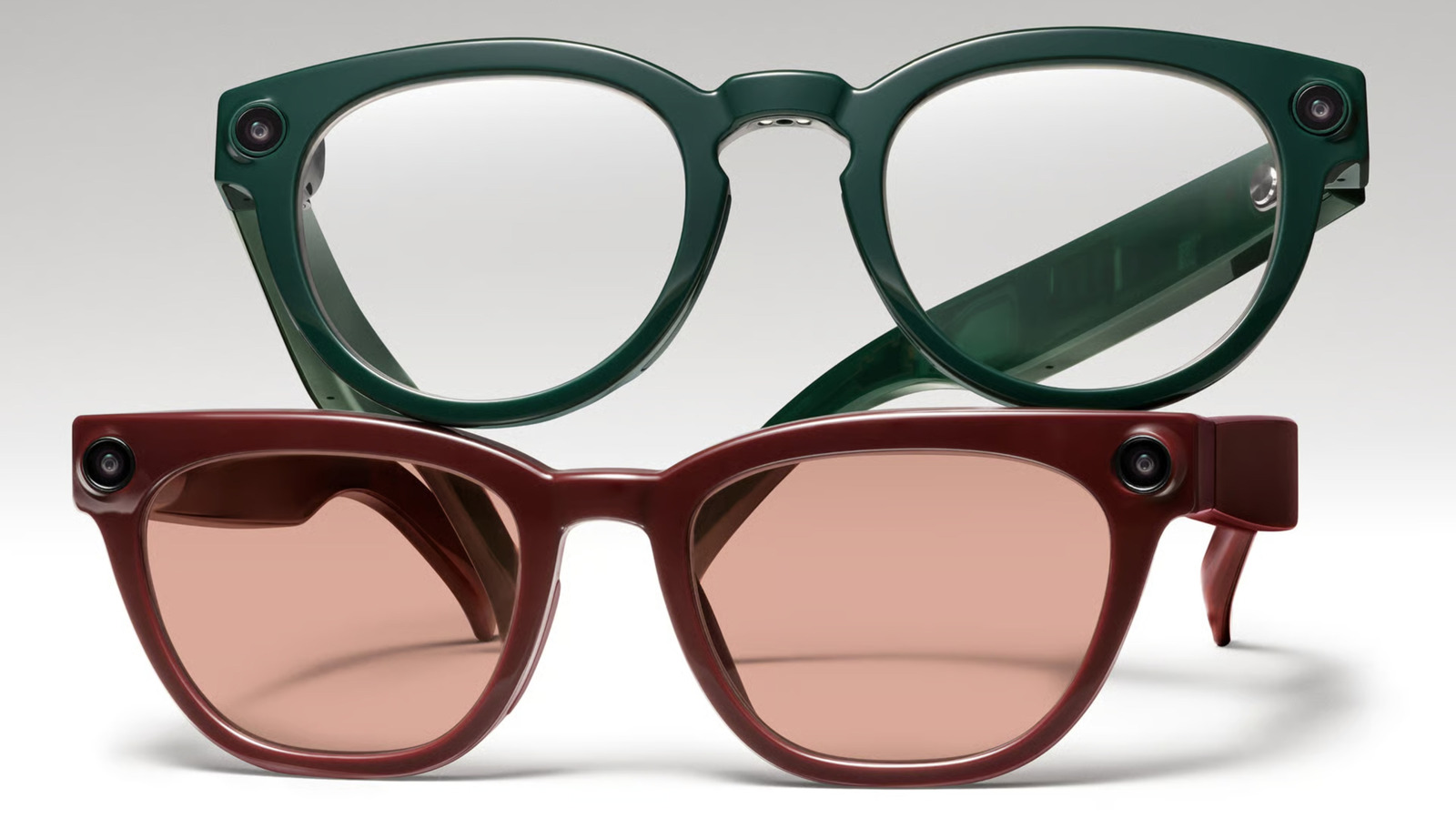
The third story points the other way. Engadget reports that Warby Parker seemingly spilled the beans on Google's Android XR smart glasses launch, describing "Intelligent Eyewear" as apparently only a week away. Where the Sony story is about recapturing a known experience, this one is about creating an unknown one - and the fact that it surfaced through an apparent slip by a retail partner rather than a staged reveal is itself informative. Smart glasses have spent years as a demonstration rather than a purchase, and a launch that arrives by accident suggests a company managing disclosure tightly and a partner with its own reasons to generate anticipation.
Warby Parker's involvement is the detail worth holding onto. Eyewear retail is an ordinary, high-street business of prescriptions, frames and fittings. Pairing it with an XR platform ties a speculative technology to a mundane purchase that millions of Americans already make. That is a distribution story as much as a hardware one.
What US Buyers Are Being Asked to Fund
Set side by side, the two approaches describe the economics of the wearables beat in the US right now. Revivals are cheap to justify and cheap to market: the audience already exists, the design work is largely done, and the press writes the story for you by describing its own memories, as The Verge did. New categories are expensive, slow and require consumer education. Companies need the first to fund the second, and the second to keep the first from becoming a purely archival business.