The Thread: We Are Being Sold the Same Device Twice
The logged stories from this week's gadget desk share a quiet but powerful pattern: the American technology market has shifted from selling new capabilities to selling new permissions to use the capabilities we already own. From ESPN raising its streaming fees, to a $449 laptop that imitates a MacBook, to Apple accepting trade-ins for ancient iPhones, to Labor Day deals on headphones and TVs, the underlying message is identical. The industry is no longer competing on what a device can do. It is competing on how often you can be charged for, or nudged toward, an upgrade that is mostly a repackaging of something you already have. This is not a story about any single product. It is a story about the new economics of the American gadget economy, where the most valuable innovation is the invention of a new reason to pay again.
The Subscription Reset: Paying More for the Same Stream
The clearest expression of this pattern is the streaming price hike reported by The Verge. ESPN is raising its ad-supported Select membership from $12.99 to $13.99 per month, and its Unlimited plan from an undisclosed rate to $31.99, effective September 17th. The change will also ripple through its bundles with Disney Plus. On its surface, this is a simple price increase. But read it against the other stories, and it becomes something else: a reminder that the subscription economy has matured to the point where the product is no longer the content but the continuous act of paying. The consumer is not getting a new channel, a new feature, or a new resolution. They are getting the same streams, at a higher cost, because the market has decided that loyalty is a billable line item.
For US consumers, this is a structural shift. The price of a single streaming service is now within striking distance of a full cable package from a decade ago, once you stack the bundles. And because ESPN bundles with Disney Plus, the hike is not isolated. It is a test of whether American households will absorb a new tier of pricing without demanding a new tier of value. The Verge's reporting suggests that the market has decided they will, at least for now. That is not a technological story. It is a behavioral one, and it points to a broader truth: the gadget industry has moved from selling hardware to selling the ongoing right to use it.
The Trade-In Ladder: Old Devices as Down Payments
The Engadget story about Apple's trade-in program is the inverse of the streaming story, but it completes the same loop. The oldest iPhone model you can trade in is older than you would think, and even devices you have not touched in years can still generate credit toward a new phone. On the surface, this is consumer-friendly: it monetizes forgotten hardware. But consider the mechanics. The trade-in value is not a gift. It is a discount tied to the purchase of a new device. That means Apple is converting the residual value of old devices into a reason to buy something new, rather than into cash you can spend anywhere. The trade-in ladder is a behavioral nudge, not a generosity program.
For the US market, this is now the default path to a new phone. Instead of paying full price, you surrender your old device, which Apple then refurbishes or recycles, and you are locked into the upgrade cycle again. The older the qualifying device, the wider the ladder, and the more people it pulls into the cycle. This is not about innovation. It is about inventory management. The trade-in program ensures that the supply of old devices does not sit in drawers, but instead flows back into the ecosystem as subsidies for new purchases. It is a closed loop, and the consumer is the moving part inside it.
The Funhouse Mirror MacBook: Cheap Imitation as a Growth Strategy
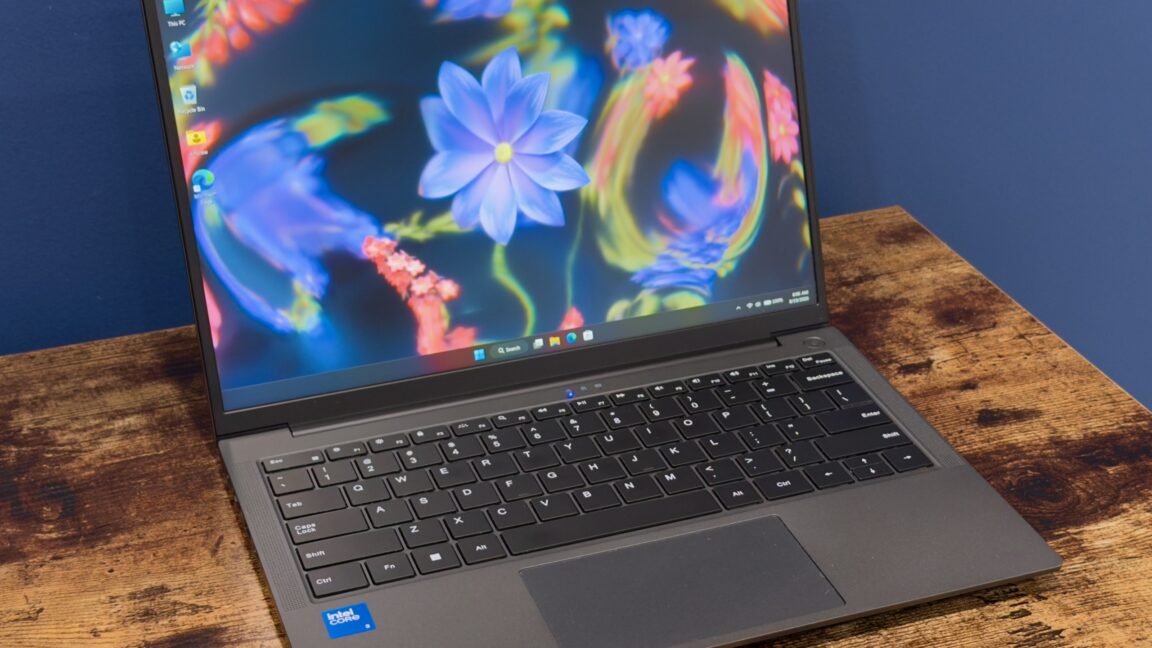
Ars Technica's review of the Chuwi Unibook, a $449 laptop that the reviewer calls a "funhouse-mirror MacBook Neo," shows the same pattern at the bottom of the market. The Unibook is not trying to beat Apple on performance, design, or software. It is trying to mimic the look and feel of a MacBook at a fraction of the price, and the review notes it is a "weird entry-level laptop for people with patience." That is not a critique of Chuwi alone. It is a description of a segment of the American laptop market where the product is not a tool but a costume. The value proposition is not what the device does, but what it looks like it does.
This is the budget end of the upgrade trap. For a US consumer who cannot afford a new MacBook, the Unibook offers the aesthetic of one, but the experience is compromised. The review's language - "funhouse-mirror" - captures the distortion. You are buying a reflection of a product, not the product itself. And because the Unibook is priced so low, it becomes a gateway: first you buy the imitation, then you save for the real thing, and then you join the trade-in ladder. The pattern holds across price points. The market is not selling you a device that solves a problem. It is selling you a position in a hierarchy of consumption, and every rung is a purchase.