The three stories sitting on this desk share a pattern that is easy to miss when they are read one at a time. Each is a small, unglamorous correction to something that had become mildly annoying: a webcam built for looking presentable on office calls, a developer typeface that was retired and then un-retired within two days, and an Android Auto capability that makes long drives easier. None of them is a platform shift. Taken together, they describe a market in which vendors are competing less on what their products can newly do and more on which everyday annoyances they are willing to take on.
Friction as the Product
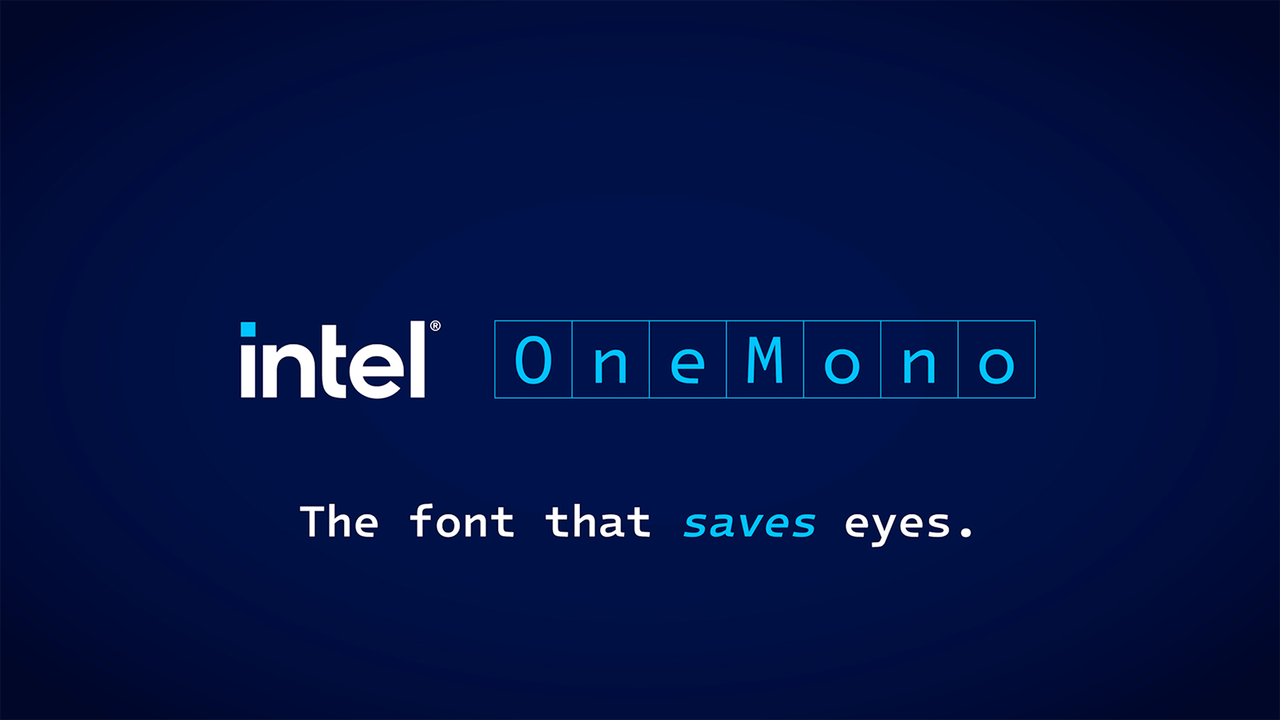
The Dell Pro 5 webcam, as Tom's Hardware reviewed it, is an office-oriented 2K camera with a physical privacy shutter, a built-in microphone, and Windows Hello compatibility. Every one of those features is a response to a specific petty grievance: looking bad on video calls, wondering whether the lens is live, hunting for a headset, typing a password. The typeface story is the same shape. Intel built One Mono to fight coder eyestrain, archived it during what Tom's Hardware described as an open-source purge, and restored the project two days later despite its relatively limited development activity. The font existed to reduce a daily low-grade irritation for a narrow group of users, and the archive decision briefly created a new one.
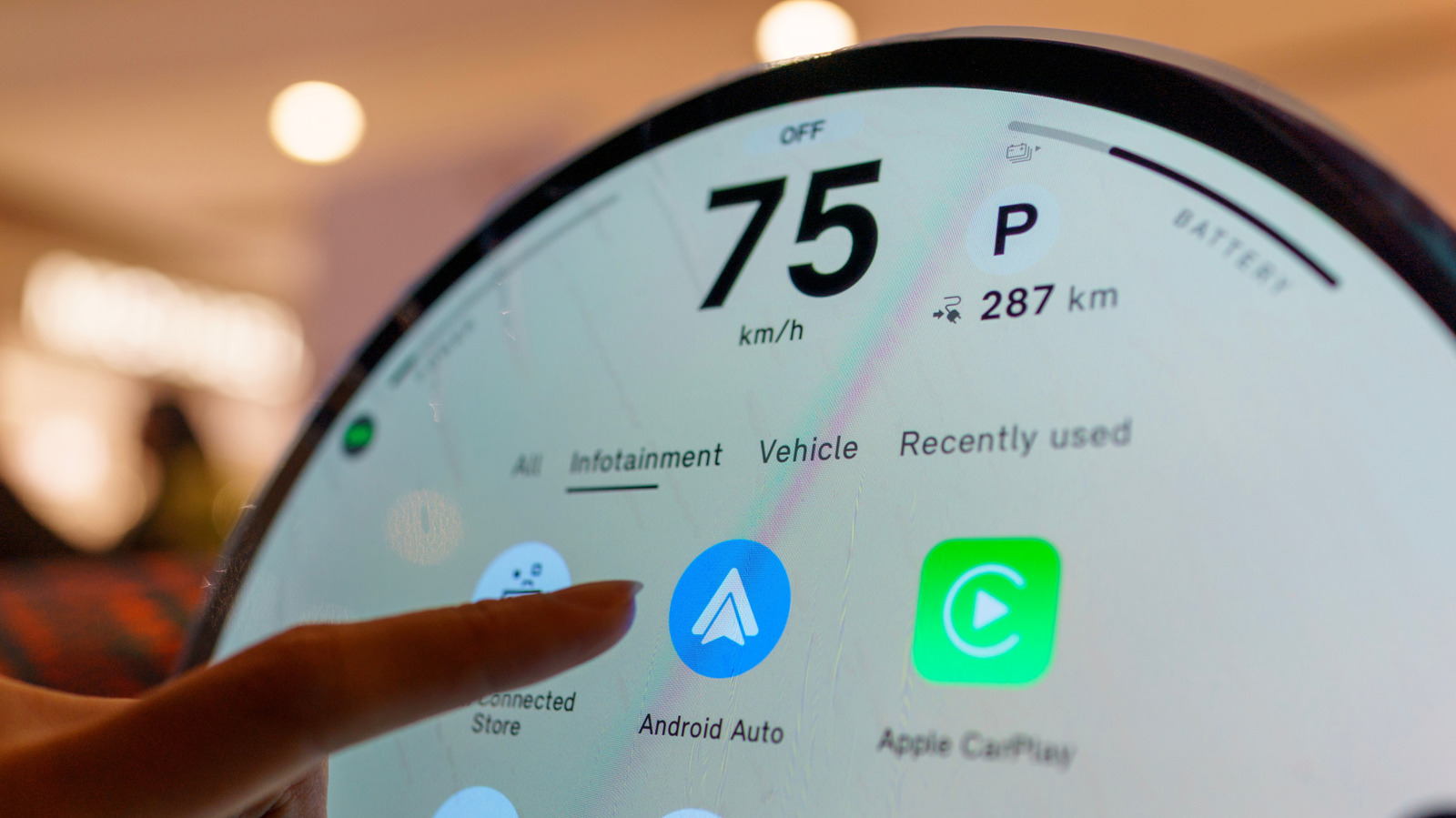
The Android Auto item, reported by Engadget, fits the same mold. A new capability upgrades the infotainment screen, and the piece walks through activating it. That is not a new frontier. It is a better arrangement of something drivers already stare at.
Why Small Fixes Now Carry Weight
For most of the last decade, the consumer technology story in the United States was defined by category creation: the new device, the new platform, the new subscription tier. That phase rewarded companies that could promise transformation. The current phase rewards companies that can credibly promise relief. The distinction matters for how products get built, marketed, and priced in the US market.
A privacy shutter on an office webcam is not a technical achievement. It is a statement about what the buyer has been worrying about. Windows Hello compatibility is not novel either, but it removes a step from the start of every meeting. These are the kinds of details that determine whether a peripheral gets recommended inside a company or returned to a retailer, and in a US market where buyers have plenty of adequate options at similar prices, reliability of experience is the remaining differentiator.
The Intel case adds a second layer. One Mono was aimed at developers, a constituency that notices when a project it depends on is archived, even a project with light development activity. Tom's Hardware reported that the retirement lasted only two days. The reversal suggests Intel treated the archived repository less as a product decision than as an administrative one, and then discovered that even a quietly maintained tool carries a user expectation. That is a caution for any US technology company rationalizing a portfolio: the cost of a small retirement is not measured only in the resources saved, but in the trust spent.
The Open-Source Custody Problem
One Mono also illustrates a structural issue in how American technology companies hold open-source projects. A typeface is not infrastructure in the way a runtime or a library is, but it is embedded in the daily working environment of the people who use it. When a company publishes something openly and then withdraws it, users experience that as a broken commitment rather than a changed business plan. The two-day reversal is a small data point, but it is a clear one: the reputational cost of a purge can exceed the operational savings almost immediately.
This is likely to keep happening. Large US vendors are under pressure to focus engineering and legal attention on fewer projects, and open-source repositories are easy candidates for pruning because they do not appear on a revenue line. The lesson from the Intel episode is that visibility is a poor proxy for dependence. A project can look dormant and still be load-bearing for the people who chose it.