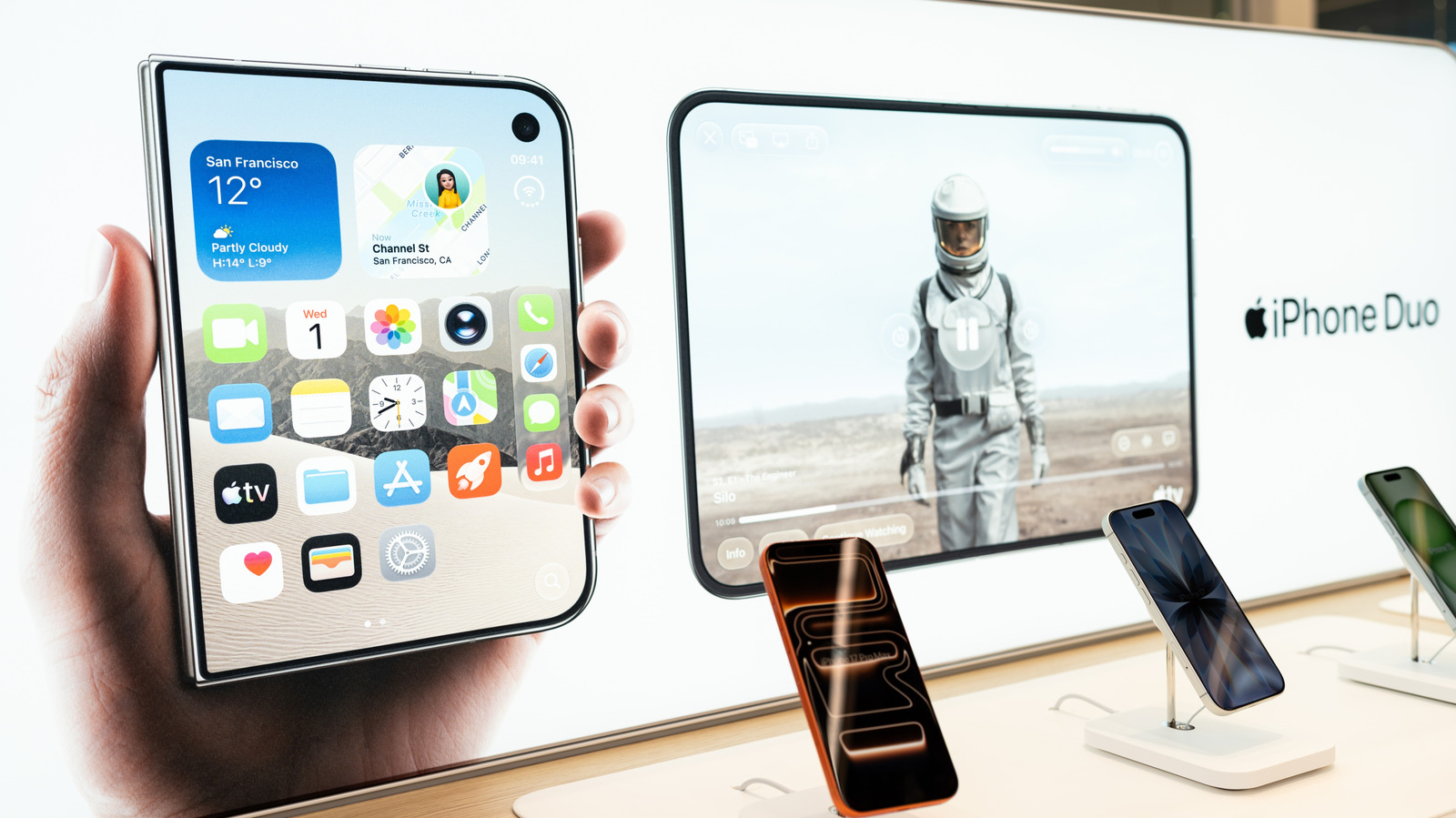
The stories logged on this desk over the past two days describe one pattern: the consumer-technology industry is converging on a strategy of hardware differentiation and premium pricing at the top of the market, while the software and platform features meant to justify those prices arrive late, in fragments, or not at all. Apple's iPhone 18 Pro Max pairs a big camera upgrade with a bigger price, per CNET, and Samsung's Galaxy S26 Ultra is positioned as its direct rival. Meanwhile, Engadget reports that Apple's first foldable, the iPhone Duo, looks solid despite the build-up. Meta is testing Community Notes in Latin America, a move Engadget says has fact checkers worried that its work with traditional fact checkers could end. And Nintendo's Switch 2, which launched without variable refresh rate in docked mode, has now added VRR support through a 23.0.0 firmware update, according to The Verge.
Flagship Pricing Moves Upward
The clearest signal is in the phone comparison from CNET: Apple's highest-end iPhone now carries a larger price alongside its camera upgrade, and Samsung's Galaxy S26 Ultra sits opposite it as the alternative flagship. The two companies are not competing on a race to the bottom. They are competing on how much camera hardware and screen technology they can pack into a device that already costs more than most laptops. For US consumers, that means the top of the market is increasingly a two-horse race between Apple and Samsung, with each iteration asking buyers to pay more for an increment that is largely photographic or mechanical rather than a rethinking of what a phone does.
Hardware Bets Arrive Before Software Maturity
Nintendo's Switch 2 is the sharpest illustration of a broader habit. The console shipped without VRR support in TV mode even though Nintendo had promised it when docked, per The Verge. Only the 23.0.0 firmware update, arriving well after launch, delivered the feature. This is not an isolated case of a missed deadline. It is a business model: ship the silicon, sell the box, and finish the feature set through patches. For US buyers who paid full price at launch, the product they bought and the product they eventually received are not the same device.
Apple's Foldable and the Patience Tax
Engadget's assessment that the iPhone Duo "just might live up to the hype" is notable precisely because the bar was set so high. Apple's first foldable has been the subject of intense anticipation, and the early read is that the hardware is solid rather than revolutionary. That is consistent with the pattern: Apple is entering a category late, with a polished version of a form factor others pioneered, and charging accordingly. The question for US consumers is whether a solid foldable from Apple is enough to justify the premium that the iPhone 18 Pro Max comparison already suggests Apple is comfortable charging.