The PC Market's Real Divide Is Memory, Not Silicon
Article

The PC Market's Real Divide Is Memory, Not Silicon

Three recent stories point to the same conclusion: the meaningful decisions in laptops and PCs now hinge on how much memory a machine ships with, not which chip it runs.

BhavyaSeptember 29, 20265 min read

Photo: Engadget

The most revealing thing about this month's laptop and PC coverage is how little of it is about processors. A Dell XPS 13 configuration note, a CyberPowerPC price cut and a MacBook automation feature all turn on the same question: whether a machine has enough memory and enough capability to do real work. In 2026, the spec sheet's dividing line is no longer the CPU model. It is everything that surrounds it.

The 8GB Problem Moves to the Foreground

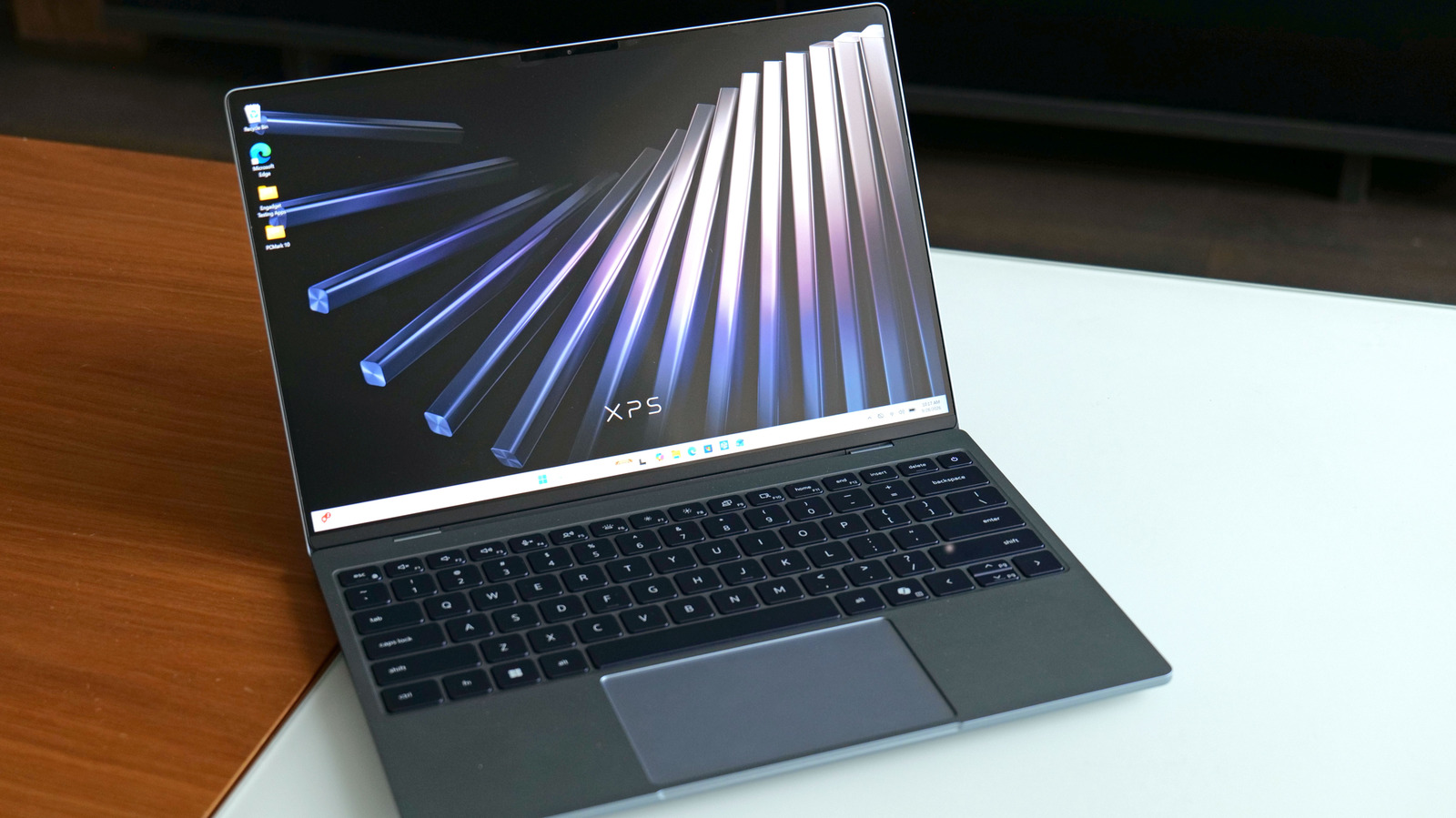
Engadget's take on the midrange Dell XPS 13 makes the argument explicitly: 8GB of RAM for a Windows 11 laptop simply is not enough anymore. That is a striking position for a mainstream configuration from one of the best-known names in Windows hardware. Dell has long positioned the XPS 13 as a premium ultraportable, and a midrange trim of that line is exactly the machine a US consumer or a corporate buyer would default to. Engadget's point is that the default is now inadequate.

This matters because it reframes what buyers are actually choosing between. Two laptops with the same processor and the same price can differ enormously in useful life depending on memory. The outlet's recommendation is, in effect, that the sensible purchase sits above the entry configuration. That is not a knock on Dell specifically. It is a statement about the baseline of mainstream computing: the software stack most US users run, dominated by Windows 11 and a browser, has outgrown the cheapest credible spec.

Manufacturers Are Still Shipping the Floor Spec

The persistence of 8GB in a 2026 midrange machine tells you where the pressure sits. Memory is one of the few components where the bill-of-materials cost is legible to buyers, and vendors have historically used it to create a low entry price and an upsell ladder. Engadget's verdict suggests that ladder has become a trap. The entry rung exists, but it is not a machine most people should buy.

For US technology companies, the implication is uncomfortable. The configuration that produces the most attractive advertised price is the one reviewers now tell readers to skip. That puts OEMs in a position where the marketing-optimal spec and the reviewer-recommended spec are different products. Consumers who shop on price alone will, on this reading, end up with hardware that disappoints within a normal ownership cycle. The correction is likely to come through returns, reviews and word of mouth rather than through any formal specification change.

The MacBook Story Is Also About Capability

At first glance, Engadget's guide to getting started with Shortcuts on a MacBook looks like a software tip. Look closer and it lands on the same theme. The Shortcuts app is described as a powerful way to automate tedious tasks, and the notable development is that scripts can now be set up using natural language.

Automation has traditionally been the province of users willing to learn a scripting language or a visual editor. Lowering that barrier changes what a laptop is capable of in ordinary hands. It also raises the floor on what the hardware must handle: more automation running in the background, more tasks chained together, more of the machine's memory and storage in active use. A MacBook sold several years ago may run the same operating system and the same app, but the useful work it can be asked to do keeps expanding. That is the software side of the same squeeze Engadget identifies on the Windows side.

There is a competitive dimension here for US platform vendors. Apple's ability to ship a meaningful capability upgrade through software, to machines already in customers' hands, is a differentiator that Windows OEMs cannot easily replicate, because they do not control the full stack. When the constraint is memory rather than compute, that control matters less than it once did, but when the constraint is capability, it matters more.


The Counterexample Is the Desktop Tower

Tom's Hardware offers the other end of the spectrum. A CyberPowerPC gaming rig with an AMD Ryzen 7 7800X3D, an Nvidia GeForce RTX 5070, a 1TB SSD and 32GB of DDR5 RAM is available for $1,999.99, a saving of $170, and the outlet frames it as unlocking 4K gameplay. Nothing about that configuration is marginal. It carries four times the memory of the XPS 13 trim Engadget warns against, and it is priced accordingly.

That is the trade the market is currently presenting to US buyers. On the desktop side, the pre-built tower has become a value proposition: a large case, a standard power supply and a discrete graphics card let a builder or a system integrator pack in generous memory without fighting the thermal and space constraints of a thin laptop. The $1,999.99 price point is not cheap, but Tom's Hardware's framing, that this is a 4K-capable machine with a meaningful discount, positions it as the reasonable end of gaming hardware rather than an indulgence.

The contrast with the XPS 13 is the whole story. The desktop rewards buyers with capacity. The thin-and-light punishes them for choosing the low end of the range. Neither product is flawed; the market structure around each is simply different.

What This Means for US Buyers and Vendors

For US consumers, the practical consequence is that the advertised entry price of a mainstream laptop is an increasingly unreliable guide to value. Engadget's guidance on the XPS 13 amounts to a warning against that price. Buyers who follow it will spend more up front and keep the machine longer; buyers who do not will likely replace it sooner, which tends to cost more in total. That is a change in the shape of the purchase decision, not just its size.

For US vendors, the pressure runs in two directions. Laptop makers must decide whether to keep shipping configurations that reviewers publicly advise against, or to raise the floor and accept a higher headline price. Desktop and pre-built system sellers face a friendlier environment, because the form factor itself permits the capacity that the software now demands. The CyberPowerPC deal Tom's Hardware describes is evidence that the desktop channel can still deliver a defensible configuration at a mainstream-premium price.

Memory prices and supply will determine how long this split persists, and nothing in the material reviewed here speaks to that. What the material does establish is where the argument now sits. The processor conversation has largely been settled at the mainstream. The memory conversation has not, and it is the one shaping recommendations from Engadget and pricing from the desktop channel alike.

What to Watch

Watch how OEMs configure the midrange tier. If Engadget's position on the Dell XPS 13 reflects broader reviewer consensus, the 8GB Windows 11 laptop becomes a harder sell, and the entry price of a credible machine rises. Watch whether Apple extends natural-language automation in Shortcuts further into the MacBook line, since that adds capability to installed hardware without a spec change. And watch desktop pre-built pricing like the CyberPowerPC system Tom's Hardware covered, because as long as towers can carry 32GB of DDR5 at under $2,000, the value gap between the two form factors will remain part of the story.

More on this beat: Gadgets on TechManNews.

#laptops#PCs#memory#Dell XPS 13#gaming PCs#consumer hardware

Newsletter

Get Tech News in Your Inbox

The latest AI, gadgets, software and startup stories from TechManNews, delivered every morning - free.