📣

Advertisement

Google Ad - 970×90 Leaderboard  TOP_LEADERBOARD_4

The PC Is Becoming a Set of Parts You Already Own
Article

The PC Is Becoming a Set of Parts You Already Own

Three recent stories about DeX, monitor hubs and loud laptop fans point to the same shift: the PC experience is being assembled from hardware people already have.

HemeswariSeptember 23, 20265 min read

Photo: Engadget

📣

Advertisement

Google Ad - 970×90 Leaderboard  TOP_LEADERBOARD_4

The personal computer is increasingly being assembled from parts that already sit on the desk. Samsung's DeX running on the Galaxy Z Fold 8's inner screen, monitors that quietly absorb USB duties, and laptop fans that tell owners when a machine is working too hard are all variations on the same theme. Each one reflects a market in which the PC is no longer defined by a single box, but by which pieces of owned hardware can be made to do PC work.

A phone that behaves like a desktop

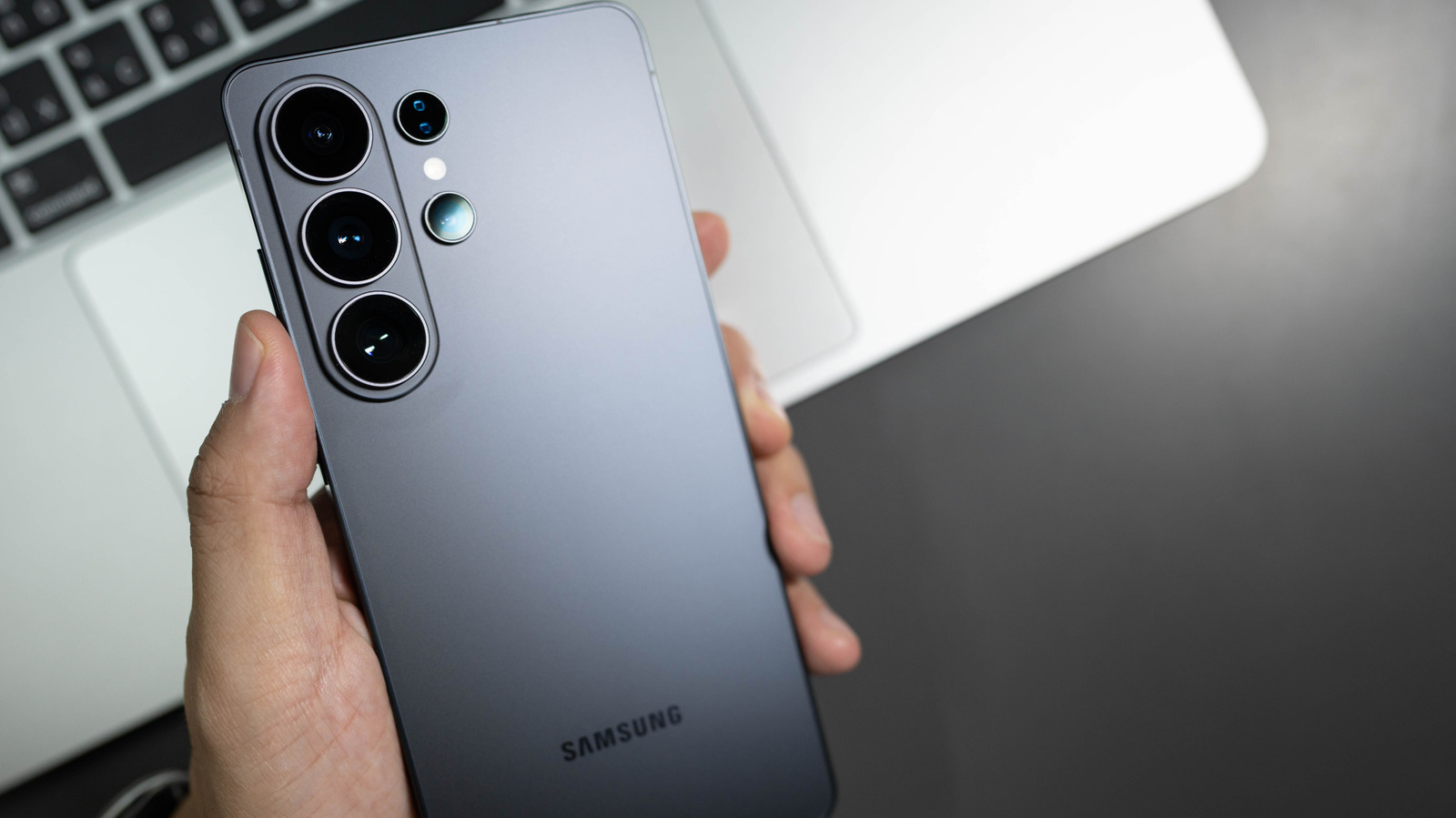
Engadget reported that DeX can now launch directly on the Galaxy Z Fold 8's inner screen, using a trick rather than requiring a cable to a monitor or TV. That matters on the laptops and PCs beat because DeX's whole premise is the PC-like experience: plug a Samsung Galaxy device into a display and get a desktop-style interface. Moving that capability onto the phone's own inner screen changes the hardware requirement. The monitor becomes optional. The display is the one already in the user's hand.

For US consumers, the practical question is whether a folding phone can cover the light PC tasks that once justified a second device. The Fold 8's inner screen is the largest surface Samsung ships on a phone, and DeX is the software layer that turns it into something closer to a workspace. The company is not claiming the phone replaces a laptop. It is making the case that, for some sessions, the laptop does not need to be opened at all.

That is a narrower claim than it sounds, and it is more consequential. The PC industry's accessory and peripheral business has long assumed the computer is the hub. If a phone can host the desktop session, the hub moves.

Monitors that do more than display

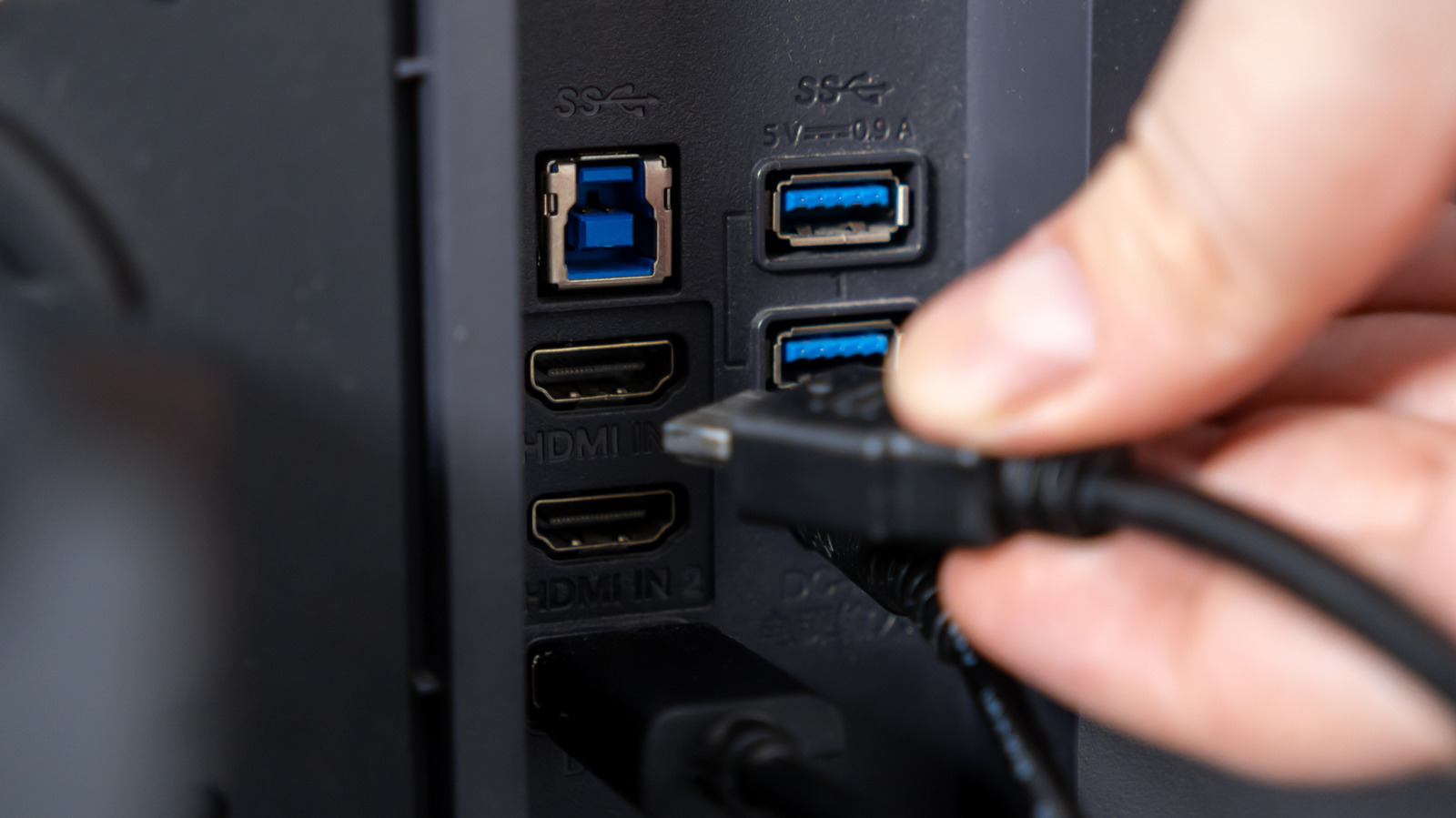
The second Engadget story explains why some monitors carry two USB ports. Those ports are typically part of a built-in USB hub, letting owners keep desk accessories connected to the monitor instead of occupying ports on the computer. It reads like a minor buying-guide note. It is actually the same pattern seen from the other end of the desk.

A monitor with a hub is a device that has taken on a job the PC used to do. Keyboards, mice, drives and other accessories can hang off the display. The computer connects, and the display brokers the connections. In a setup anchored by a laptop, that arrangement reduces the number of times a user plugs and unplugs. In a setup anchored by a phone running DeX, it may be the only way to reach a full set of peripherals at all.

The two stories fit together. If a phone is going to serve as the computing brain, something on the desk has to serve as the port expansion. Monitors with built-in hubs are already positioned to be that something. Buyers who understand the distinction will get more out of hardware they own, and vendors that treat hub ports as a checkbox on a spec sheet may find the feature matters more than they assumed.

The fan as a status light

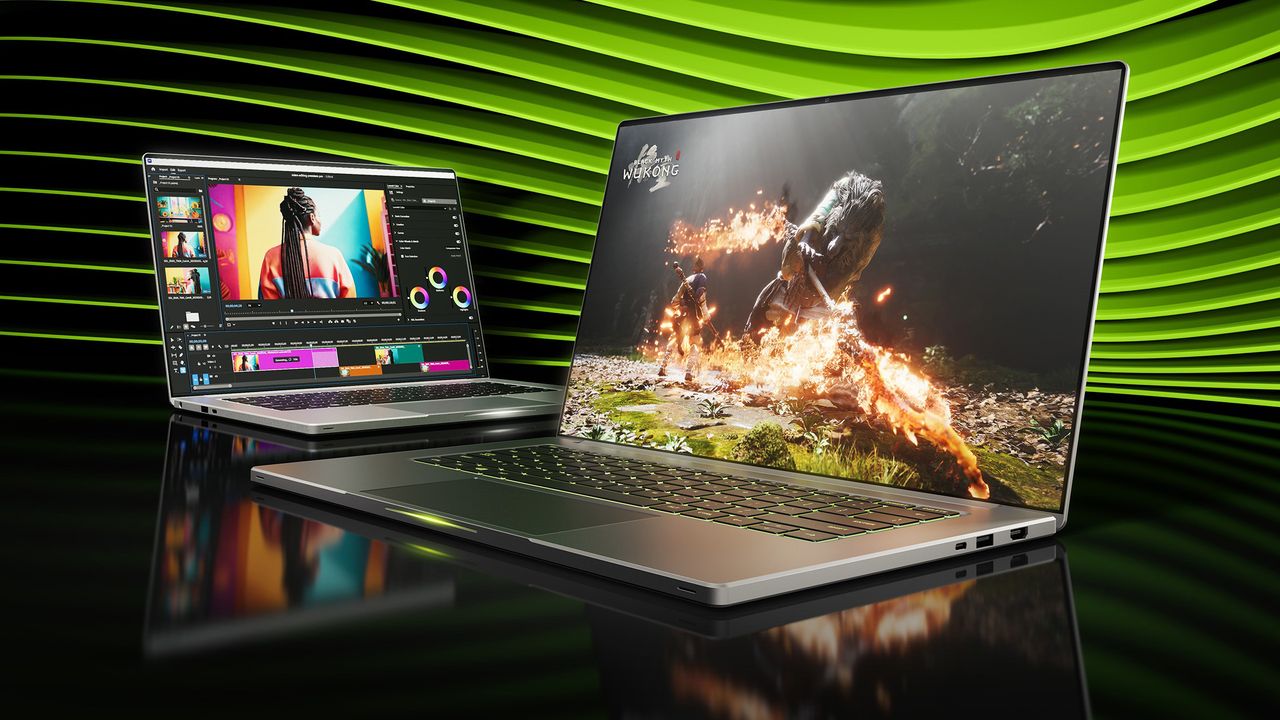
The third Engadget story asks why a laptop fan is so loud, noting that fans do an important job and that a loud one may or may not be cause for concern. This is the counterweight to the first two stories. Phones and monitors can absorb PC duties because the heavy lifting has moved elsewhere or been made efficient enough to fit in a pocket. The laptop fan is the sound of the work that has not moved.

Advertisement

📣

728x90

MID_CONTENT_2

Loud fans signal sustained load, thermal limits or dust and airflow problems, and Engadget's framing is appropriately measured: the noise is not automatically a defect. But it is a reminder that the PC experience is unevenly distributed across the hardware a person owns. A folding phone can run a desktop interface. A monitor can manage a nest of cables. Neither one is likely to render a demanding workload quietly. The laptop remains the machine that has to move air.

For US buyers, that shapes where money goes. The device that makes noise under load is the device that still needs to be bought for the tasks that make noise. The devices that stay silent are handling the tasks that do not.

What the thread means for US hardware

The common pattern is disaggregation with a purpose. The PC experience is being split across a phone, a display and a laptop, and each story shows one piece of that split being strengthened. DeX on the Fold 8's inner screen makes the phone a more credible host. Monitor USB hubs make the display a more credible dock. Laptop fan behavior marks the boundary of what the other two can absorb.

US technology companies have a stake in how this settles. Phone makers gain if buyers treat a handset as a secondary computer, because that raises the value of the phone itself. Monitor makers gain if buyers treat the display as the connection point, because hub capability becomes a reason to choose one panel over another. Laptop makers face the harder position: the more tasks migrate to hardware the customer already owns, the more the remaining laptop purchase is defined by the workloads that cannot migrate.

US consumers, meanwhile, are being asked to make integration decisions that used to be made by the manufacturer. Whether a monitor's USB ports are useful depends on what is plugged into them. Whether DeX on a folding phone is useful depends on whether the software a person relies on has a version that works there. Whether a loud fan is a problem depends on what the machine is being asked to do. None of these questions has a single answer, and none is answered by a spec sheet alone.

What to watch

The stories themselves set the terms. Watch whether DeX running directly on the Galaxy Z Fold 8's inner screen becomes a default behavior rather than a trick, because a default changes how often the phone is treated as a computer. Watch how monitor makers describe their USB ports, since a built-in hub is only valuable if buyers know what it does. And watch how laptop makers talk about thermals and noise, because the loud fan is the clearest evidence of what has not yet moved off the PC.

The direction is visible. The PC is turning into a collection of roles, filled by whatever hardware is closest and capable. The remaining question is which device gets credit, and which one gets replaced.

More on this beat: Gadgets on TechManNews.

Advertisement

📣

728x90

IN_ARTICLE_5

#Samsung DeX#monitors#laptop thermals#PC market#USB hubs#computing hardware

Newsletter

Get Tech News in Your Inbox

The latest AI, gadgets, software and startup stories from TechManNews, delivered every morning - free.