The dominant thread running through this week's hardware news is not any single product but a timing mismatch. Across memory, compute, and consumer GPUs, companies are shipping and pricing for a demand profile that may not exist in the same shape a year from now. The result is a US hardware market where fixes arrive late, infrastructure gets repurposed faster than it is built, and component pricing finally bends in consumers' favor.
A Fix for a Shrinking Problem
Gigaphoton's new neon recycling system, as Tom's Hardware reported, carries a claimed 50% recovery rate and targets the noble gas demand created by DUV lithography at major chip manufacturers. The engineering logic is sound: neon is a consumable, recovery lowers operating cost, and for fabs running deep-ultraviolet tools today it is a straightforward efficiency play. But Tom's Hardware also notes the awkward part - the technology that creates the demand is itself being supplanted. That means the recycling system is best understood as a bridge asset. It pays back over the lifetime of installed DUV capacity, not over the lifetime of the process it serves. For US chipmakers weighing capital allocation, that changes the calculus: the ROI depends on how long the existing toolset stays in production, not on how much neon the industry will need in 2032. Suppliers of consumables and abatement equipment face the same compressed window.
Idle Charging Becomes Idle Compute
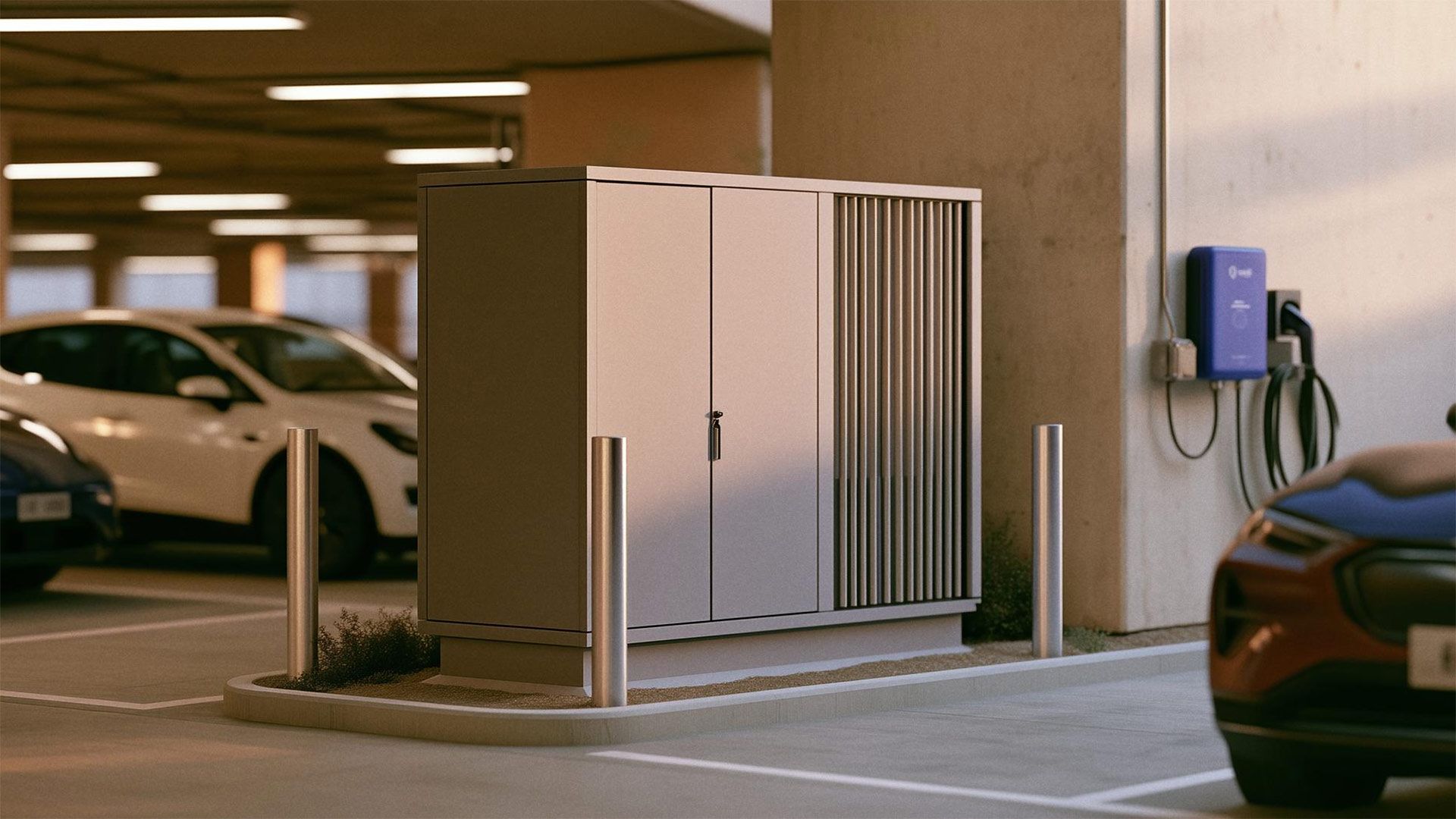
The second story is a different flavor of the same mismatch. Xeal, an EV charging company, plans to deploy 100,000 Nvidia GPUs in pods at its roadside sites across the US, using idle EV charging capacity to build what Tom's Hardware described as the 'world's first edge inference compute network using idle EV charging capacity.' The appeal is obvious: distributed power and network infrastructure already exists at these sites, and inference workloads tolerate latency better than training jobs. The open question is whether the utilization assumptions hold. An EV charging site's power budget is sized for vehicles that may or may not be plugged in; the site's economics depend on charging session revenue, not compute revenue. Threading a second revenue stream through that footprint is clever, but it couples two businesses with different demand curves. If EV charging utilization rises, compute capacity shrinks; if charging demand stalls, the GPU economics have to carry the site. US consumers, meanwhile, are being asked to accept that the roadside infrastructure they encounter is increasingly multi-purpose - a shift in what public charging means.
Consumer GPUs Finally Bend
On the consumer side, AMD's Radeon RX 9070 GRE has dropped to $529, below its original MSRP, as Tom's Hardware reported. A 12GB card selling under launch price is not a dramatic event on its own, but it is a data point about the current state of the US GPU market. Mid-cycle price erosion below MSRP suggests either ample supply, soft demand in that tier, or both. For US buyers, that is the most tangible item in this set: the entry point into a modern 12GB GPU has moved. It also frames the rest of the market - cards positioned above this price now face a comparison problem, and cards at this price face margin pressure.