The semiconductor market is no longer moving in one direction. Intel's 14th Gen Raptor Lake Refresh CPUs are finally seeing steep discounts, while Tencent is reportedly committing about $7 billion to rent 100,000 AI chips from Oracle data centers in Southeast Asia. At the same time, AI systems are resolving mathematical problems that researchers did not expect them to reach. The pattern is a market splitting into distinct tiers with distinct pricing power, and US chip companies are increasingly being pulled in two directions at once.
The Consumer Chip Glut Is Real
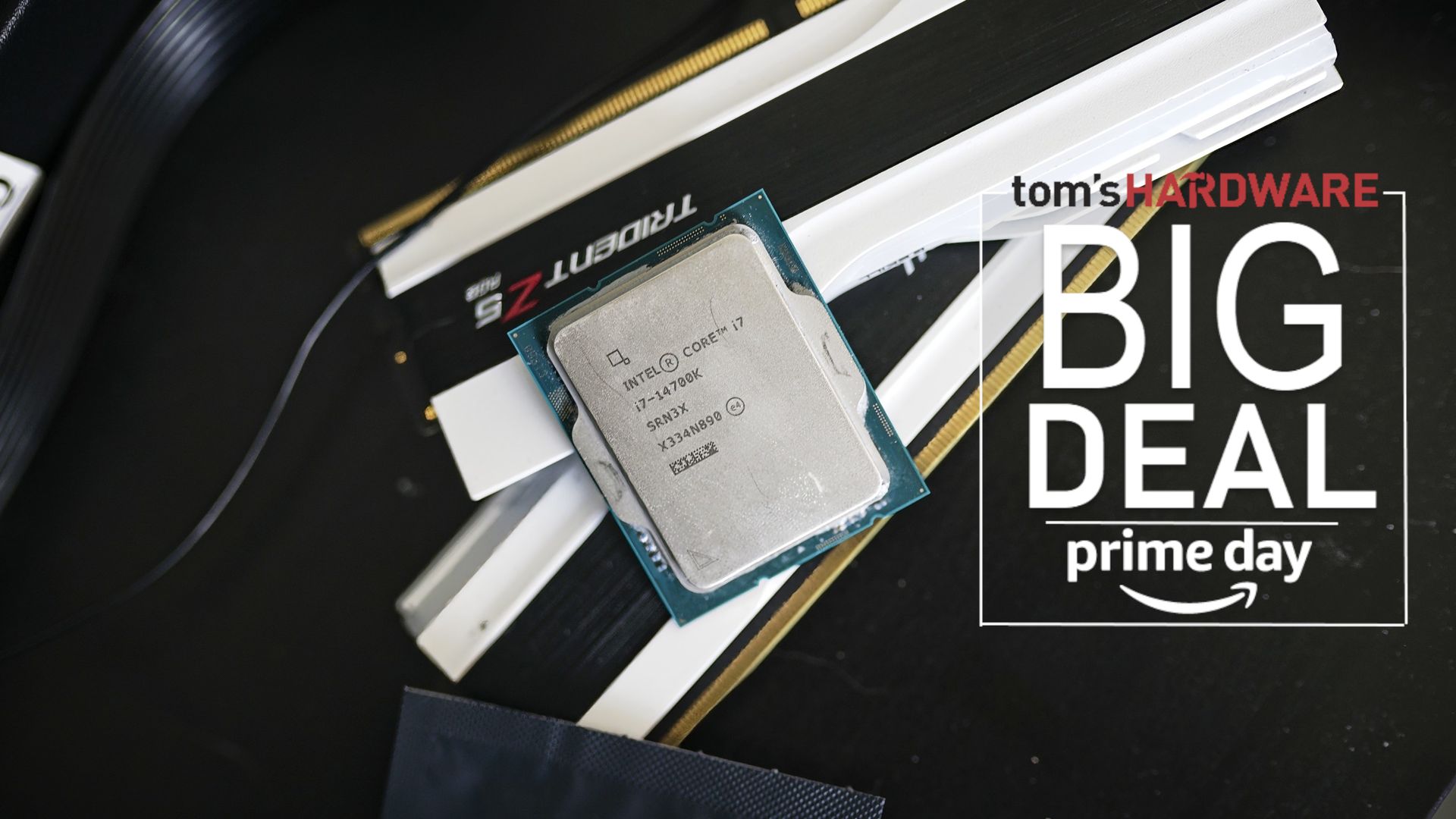
Tom's Hardware reports that Raptor Lake Refresh discounts during Prime Big Deals Day are the first consistent price relief after a year of inconsistent pricing, with some chips hitting all-time lows. This is not a promotional blip. It is a signal that the mainstream desktop CPU segment has become a buyer's market. Intel's 14th Gen parts were never a dramatic leap over the prior generation, and demand has been reshaped by buyers who either already upgraded or are waiting for something more compelling. For US consumers, that is unambiguously good news: a capable gaming or productivity CPU is cheaper now than it has been at any point in the product's life. For Intel, it means the volume business that has long funded its manufacturing ambitions is under margin pressure.
The AI Compute Tier Has Its Own Pricing Curve
Contrast that with the deal Tom's Hardware reported between Tencent and Oracle: 100,000 AI chips rented offshore for roughly $7 billion over five years. Tencent is not buying the hardware outright. It is renting access to data centers in Southeast Asia, which suggests both that the chips are scarce enough to command premium terms and that the buyers are structuring around geographic and supply constraints rather than simply purchasing. The climbing prices referenced in the report are the tell. In the AI compute tier, demand still exceeds supply, and suppliers can set terms that would be unthinkable in the consumer CPU market. US chip designers and cloud providers sit on the profitable side of that divide, but they also face the complication that the biggest buyers are increasingly foreign and increasingly willing to route around US infrastructure to get capacity.
Mathematics Is Becoming a Compute Workload
The Verge reported that OpenAI, Anthropic, and other labs have announced breakthroughs on numerous long-standing mathematical problems, including resolving one of the famous Millennium Prize problems. That is a striking claim, and it matters to the chip beat because mathematics is the purest form of reasoning workload. If AI systems can push well beyond what researchers expected on problems that resisted human effort for decades, then demand for the underlying compute is not a temporary spike tied to chatbot traffic. It is a durable requirement tied to capability itself. Every mathematical result that becomes a headline is also an argument for more accelerator capacity, more memory bandwidth, and more interconnection. That reinforces the pricing power on the AI side of the market and widens the gap with the consumer side.