Big Tech's AI Boom Meets a Political Reckoning
Article

Big Tech's AI Boom Meets a Political Reckoning

Three recent stories reveal Washington's shifting posture toward the tech industry's AI-driven infrastructure and consolidation.

HemeswariOctober 5, 20264 min read

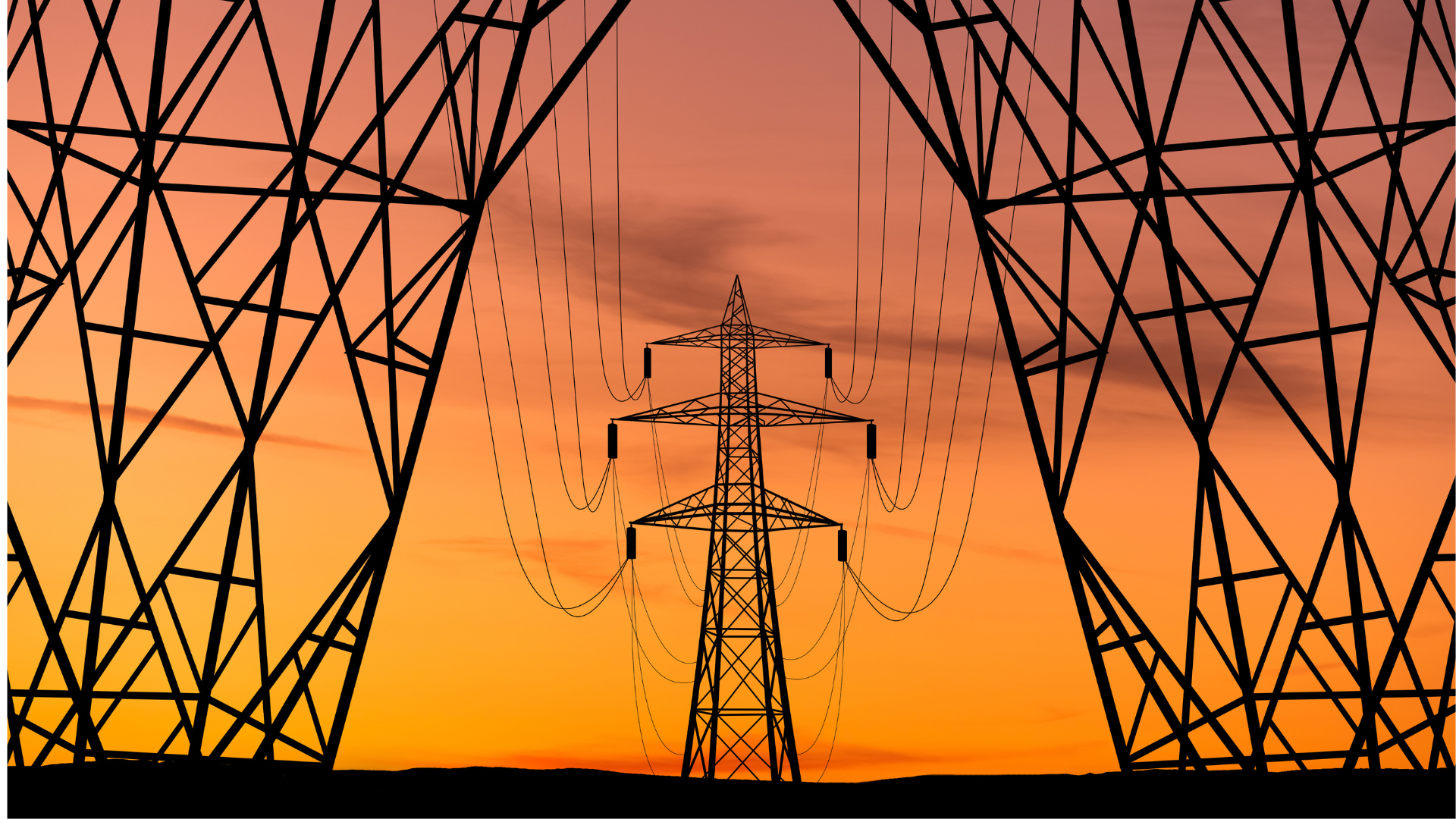
Photo: SiliconANGLE

The three stories logged on this beat share a single thread: the political and regulatory environment surrounding Big Tech is tightening, even as the industry's AI-driven infrastructure demands grow more acute. A robotic startup's billion-dollar valuation built on employee share sales, a senator's wide-ranging critique of tech oversight, and the Senate's rejection of a bill to shield ratepayers from data-center power costs all point to the same tension. The companies building the AI economy are accumulating capital and consuming resources at a pace that Washington has not yet decided how to govern - and the decisions being made now will shape the US technology market for years.

Capital Concentrates While Oversight Lags

The RobCo funding round, reported by SiliconANGLE, is a case study in how the AI infrastructure boom is reshaping startup finance. The company raised $40 million, but most of the shares that changed hands were sold by current and former employees - not new capital injected into the business. Sequoia, Lightspeed and several other startup funds bought that equity, valuing RobCo at more than $1 billion.

That structure matters. When employees sell, the company itself may see little of the proceeds. The valuation is set by secondary trades rather than by a primary round that funds operations. For the US technology market, this signals that investors are eager to place bets on automation and AI-adjacent hardware even when the underlying businesses are not raising growth capital. It also means that the wealth generated by the AI boom is being distributed to early employees and existing shareholders, not necessarily recycled into new hiring or research. The concentration of capital in a small number of funds and firms continues, and the regulatory apparatus has not caught up with how these secondary markets function.

A Senator's Sweeping Agenda

The Verge's interview with Senator Adam Schiff of California illustrates the breadth of the policy questions now aimed at Big Tech. Schiff sits on committees covering intellectual property, antitrust, privacy and technology. In the interview, he addressed AI regulation and free speech, and he also raised the prospect of impeaching Trump again.

For technology companies, the significance is not any single position but the scope. The same lawmaker is thinking about how AI models are trained, how platforms moderate speech, how antitrust applies to digital markets, and how privacy law should work. That is a comprehensive oversight posture, and it suggests that any legislative effort on AI will be bundled with other tech concerns rather than treated in isolation. For US consumers, this means the rules governing the AI products they use - from chatbots to recommendation systems - could arrive through a patchwork of committee jurisdictions rather than a single clear statute. The uncertainty is itself a market condition that companies must price in.

The Senate's Message on Data-Center Power

The Senate's rejection of the Ratepayer Protection Act, reported by Tom's Hardware, is perhaps the most concrete signal of where Washington stands. The bill failed in a 57-43 vote. It would have pushed regulators to consider making data centers pay the incremental grid costs created by their massive electricity demand.

The vote is a direct win for the data-center industry and the technology companies that rely on it. Had the bill passed, utilities and regulators could have shifted some of the cost of new transmission lines and generation capacity onto the hyperscale operators that drive demand. Instead, the Senate declined to move in that direction. For US consumers, the outcome means that the risk of rising power bills tied to AI data centers remains with ratepayers in many jurisdictions. For technology companies, it means the cost of power - a key input for AI training and inference - stays socialized to a degree, at least for now. The vote also shows that even a narrowly targeted bill aimed at cost allocation can fail when the tech industry's interests are at stake.

The Pattern Across the Three Stories

Taken together, the stories describe a moment when the AI boom is generating enormous private value and enormous public costs, and the political system is responding unevenly. RobCo's valuation shows that private capital is flowing into automation and AI hardware. The Senate vote shows that public policy is not yet willing to make those same companies bear the infrastructure costs they create. And Schiff's interview shows that some lawmakers are thinking broadly about how to regulate the sector, but that thinking has not yet translated into legislation that passes.

The thread is not that regulation is coming or not coming. It is that the terms of the bargain are still being set. For US technology companies, the immediate environment is permissive on cost allocation and uncertain on everything else. For US consumers, the immediate environment is one in which the benefits of AI are visible in products and valuations, while the costs - particularly in electricity - remain diffuse.

What to Watch

The next signals will come from the same institutions. In the Senate, watch whether a revised ratepayer bill returns, and whether it gains votes. In the committees Schiff sits on, watch whether any AI-specific legislation moves beyond hearings. And in the private markets, watch whether secondary sales like RobCo's become a more common way for AI-adjacent startups to reach billion-dollar valuations without raising primary capital. Each of these will indicate whether the current pattern - private gains, public costs, and regulatory drift - continues or begins to shift.

More on this beat: Companies on TechManNews.

#Big Tech#AI regulation#data centers#venture capital#US Senate#tech policy

Newsletter

Get Tech News in Your Inbox

The latest AI, gadgets, software and startup stories from TechManNews, delivered every morning - free.