The recent gadget stories logged on this desk share a quiet common thread: none of them is really about buying something new. They are about getting more life, more utility and more care out of hardware and software that people already have. The gadget beat, in other words, has drifted toward maintenance and judgment rather than launch-day novelty.
The Upgrade Is No Longer the Story
The clearest example comes from Engadget's piece on using an old tablet to build a live streaming setup. The framing is explicit: no one needs to buy new products just to start live streaming, because an app lets an old tablet become the centerpiece of the setup. That is a notable editorial stance for a gadget publication. The subject is not a new device but a repurposed one, and the enabling factor is software rather than silicon.
The same logic animates Engadget's roundup of ten useful iPad apps with strong free tiers. The iPad, the story notes, can do a lot with the right apps, and the recommendation is to go beyond Apple's defaults. Again the value sits in what is layered onto existing hardware, and the emphasis on free tiers signals that readers are being asked to spend time and attention rather than money.
Longevity Becomes a Consumer Question
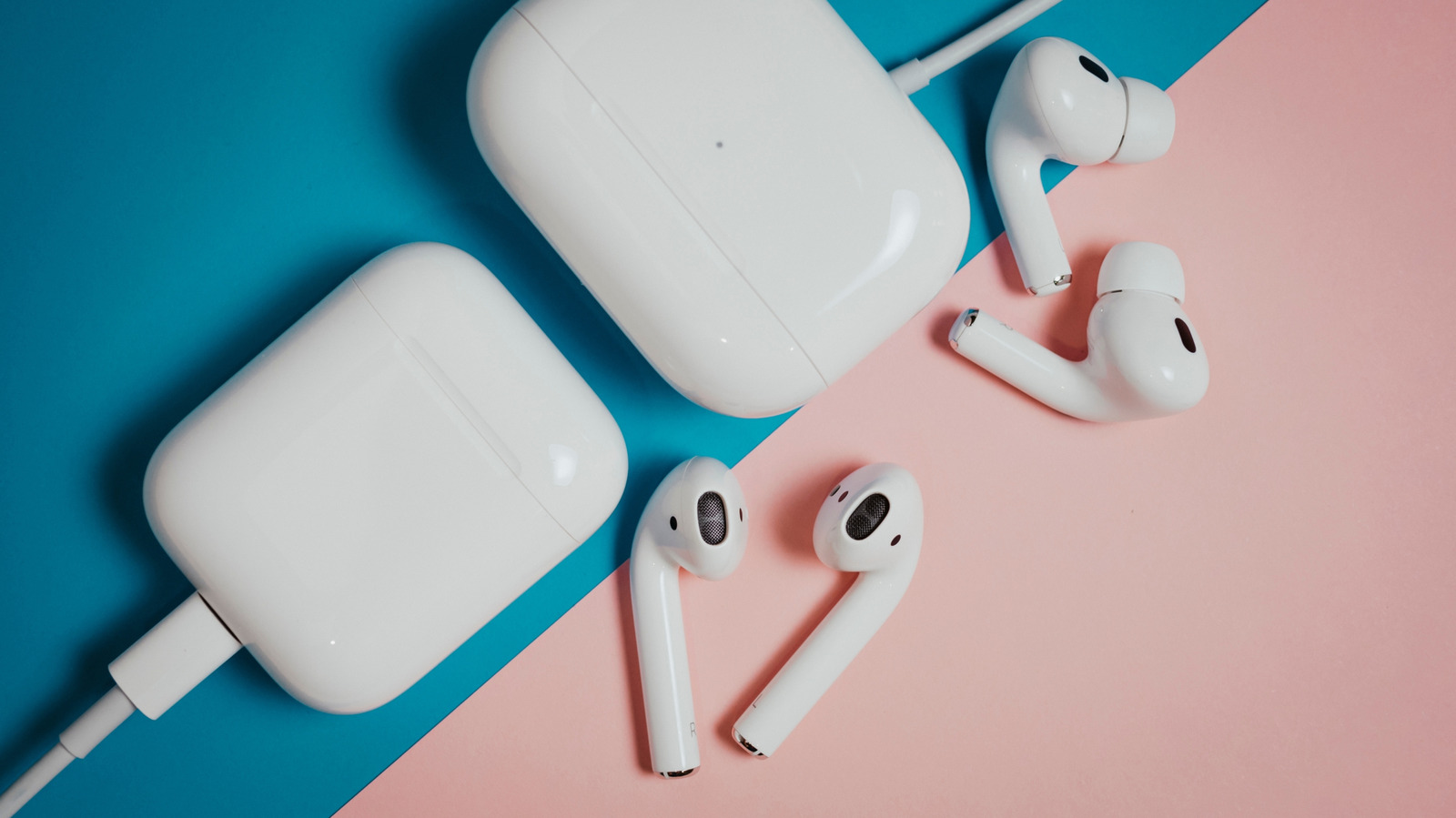
Engadget's piece on how long Apple AirPods can be expected to last, and how to get the most out of them, treats lifespan as a practical question rather than an afterthought. That may be the most telling item of the four. AirPods are small, sealed and battery-dependent, and asking how long they last is really asking what ownership costs over time.
For US consumers, this is a meaningful shift in emphasis. The decision is not only which earbuds to buy but how many years of service a purchase delivers. That reframes the value equation around durability and care, and it puts pressure on companies whose upgrade cycles depend on customers treating devices as disposable.
Software Moves Into the Workspace
The outlier in tone is Engadget's guide to setting up SpaceXAI's Grok in Google Workspace, which notes that inserting the tool is easy but that a few things should be considered before rolling out the welcome mat. Even here the thread holds: the story is about deployment and discretion, not acquisition. A productivity tool arriving inside an established suite raises questions about what it does, what it touches and whether an organization should adopt it at all.
That has direct implications for US technology companies. The competitive ground is no longer only whose assistant is more capable but whose assistant can be trusted inside the tools where work already happens. The caution in Engadget's framing suggests adoption is being treated as a decision to be justified rather than a default.