The Thread: Platform Control Meets User Demand
The stories that surfaced on this desk in the past two days are not isolated events. They describe a single, accelerating pattern: the struggle over who controls the software and hardware paths to our vehicles, our apps, and our business networks. From a senior Apple executive stepping aside over a push toward recurring revenue to emergency patches for a remote-management tool under active attack, and from guides on sideloading into Android Auto to the market for portable CarPlay screens, the common thread is that platforms are tightening their grip just as users and vendors seek more flexibility and more security. The result is a period of friction that will redefine how American consumers and companies buy, install, and pay for software.
The App Store Reconfigured
As TechCrunch reported, Phil Schiller’s exit from the App Store was reportedly driven by wariness over future plans - specifically, incoming CEO John Ternus’s goal of bringing in more recurring revenue from the App Store. That detail matters less as a personnel story and more as a signal. The App Store has long been a one-time purchase and subscription hybrid, but a formal push toward recurring revenue means Apple will increasingly treat every app, every service, and every connected device as a subscription opportunity. Schiller’s reported discomfort suggests that even within Apple, this direction is controversial. For American developers, the implication is clear: if they want to stay in the iOS ecosystem, they will face pressure to turn their software into a monthly or annual charge, or see their visibility diminish. That changes the economics of development, favoring large companies that can absorb subscription fatigue and punishing indie developers who depend on one-time sales. The platform, in effect, is becoming a rent collector, not just a marketplace.
The Security Patch Race
Meanwhile, BleepingComputer reported that N-able patched a maximum-severity remote code execution flaw in its N-central remote monitoring and management platform amid ongoing attacks. That news is not just a routine vulnerability alert. N-central is a tool that lets managed service providers - the companies that run IT for thousands of small and mid-sized American businesses - see and control every endpoint on their clients’ networks. A maximum-severity RCE in that tool means an attacker could move from one unpatched server into every machine under management. The fact that attacks were already ongoing before the patch is a reminder that the window between disclosure and exploitation is now measured in hours, not weeks. For US companies, this is the new reality of platform dependency: they do not just rely on their own software hygiene; they rely on vendors like N-able to react instantly, and on the security of the management layer above them. The more tools converge - remote management, cloud dashboards, single sign-on - the more one flaw can ripple across the entire economy. The N-able patch is a triumph of fast engineering, but also a warning that every administrative platform is a potential single point of failure.
The Aftermarket Answer
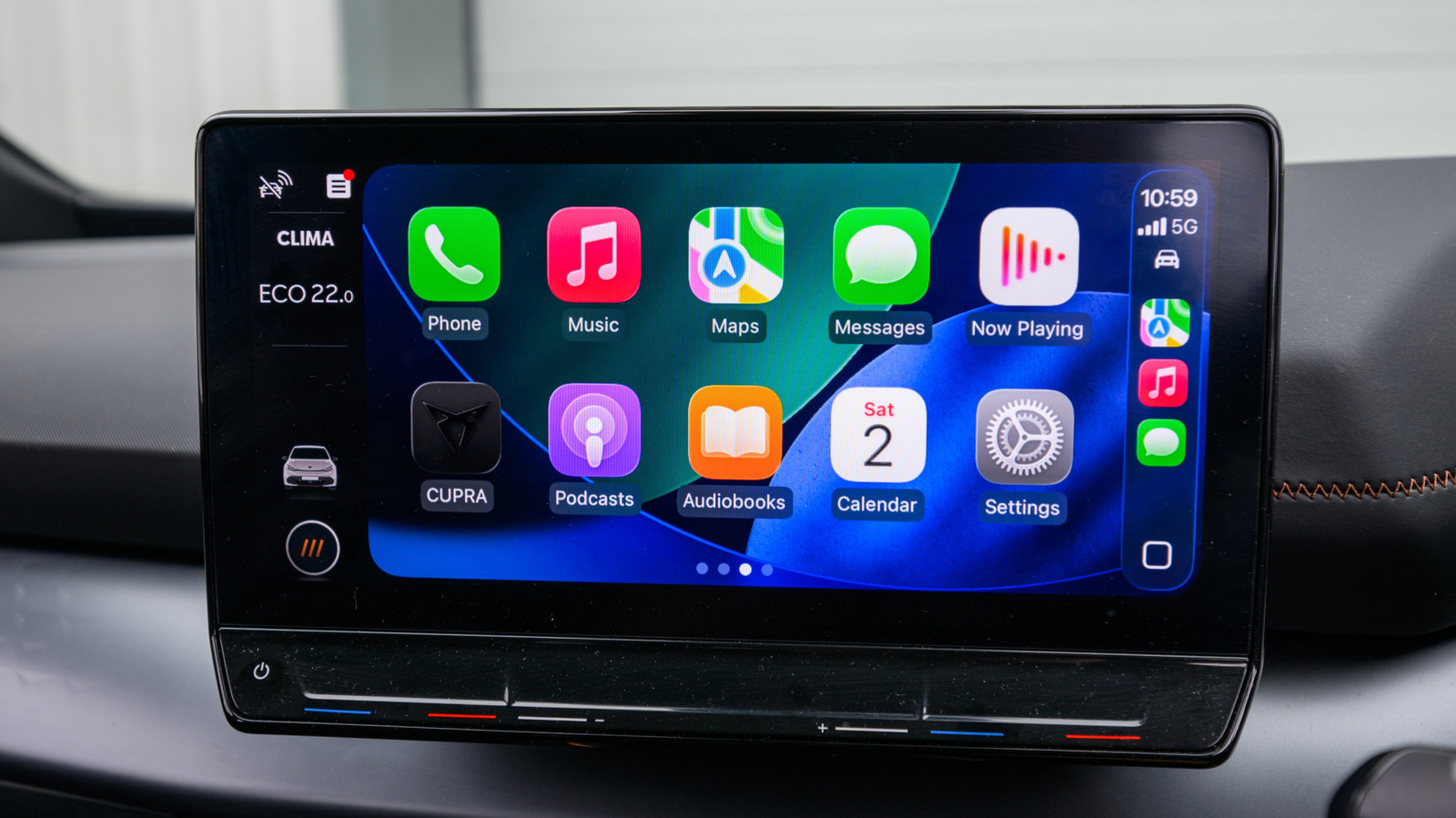
Engadget’s piece on portable Apple CarPlay screens speaks to the consumer side of the same tension. Many newer vehicles have CarPlay and Android Auto built in, but if a car does not, a driver can buy a portable screen to mount on the dash. That is a workaround to a platform gap, and its existence tells two stories. First, automakers still control the in-dash experience, and many models - especially older ones or budget trims - lack the built-in connectivity that drivers now assume. Second, consumers are unwilling to accept that absence; they will buy a separate screen rather than change their habits or their vehicle. For US consumers, the portable screen market is a small but telling sign of platform fatigue: they are willing to spend extra money and accept an added device on the dash to get the interface they want, rather than the one the carmaker chose. That is a quiet rebellion against vertical integration - the idea that the car’s operating system should dictate the phone’s role.
The other Engadget story, on sideloading apps onto Android Auto, goes further. Sideloading is a technical trick to display any app on the Android Auto interface, not just the ones approved by Google. The guide admits that this presents concerns about safety and reliability. That admission is key. Sideloading is not a mainstream feature; it is a hack, and hacks carry risk. But the demand for it reveals a deep user desire: to run navigation, messaging, or media apps that are not officially supported. For American consumers, this is a direct confrontation with platform curation. Google decides what is safe and appropriate for driving; the user decides otherwise. Sideloading is an act of trust in oneself rather than in the corporation. The safety warnings are reasonable, but the existence of the practice - and the willingness of a major tech publication to document it - shows that platform control is not absolute.