Apple and Google are moving in opposite directions on the same question: where the next phase of personal computing actually happens. Apple's latest hardware wave, logged this week by TechCrunch and CNET, pushes intelligence toward the body itself, onto watches that listen, remember and summarise. Google, as Engadget reported, has quietly pulled the Pixel Tablet from its store, signalling the end of a device that never found that role. The pattern is not product churn. It is a divergence over which form factor earns a permanent place in American consumers' daily lives.
Apple Bets the Wrist Becomes the Interface
The clearest signal in this week's news is that Apple is treating the watch as an intelligence platform rather than a fitness accessory. As TechCrunch reported, the Watch Series 12 and Watch Ultra 4 arrive with an AI upgrade that can recap your day, alongside "Audio Intelligence" features that let wearers rewind moments and remember details from daily conversations. CNET's account of the Ultra 4 frames the same shift, describing Siri AI and live recording features reaching more places, with the endurance model priced the same as last year's Ultra 3.
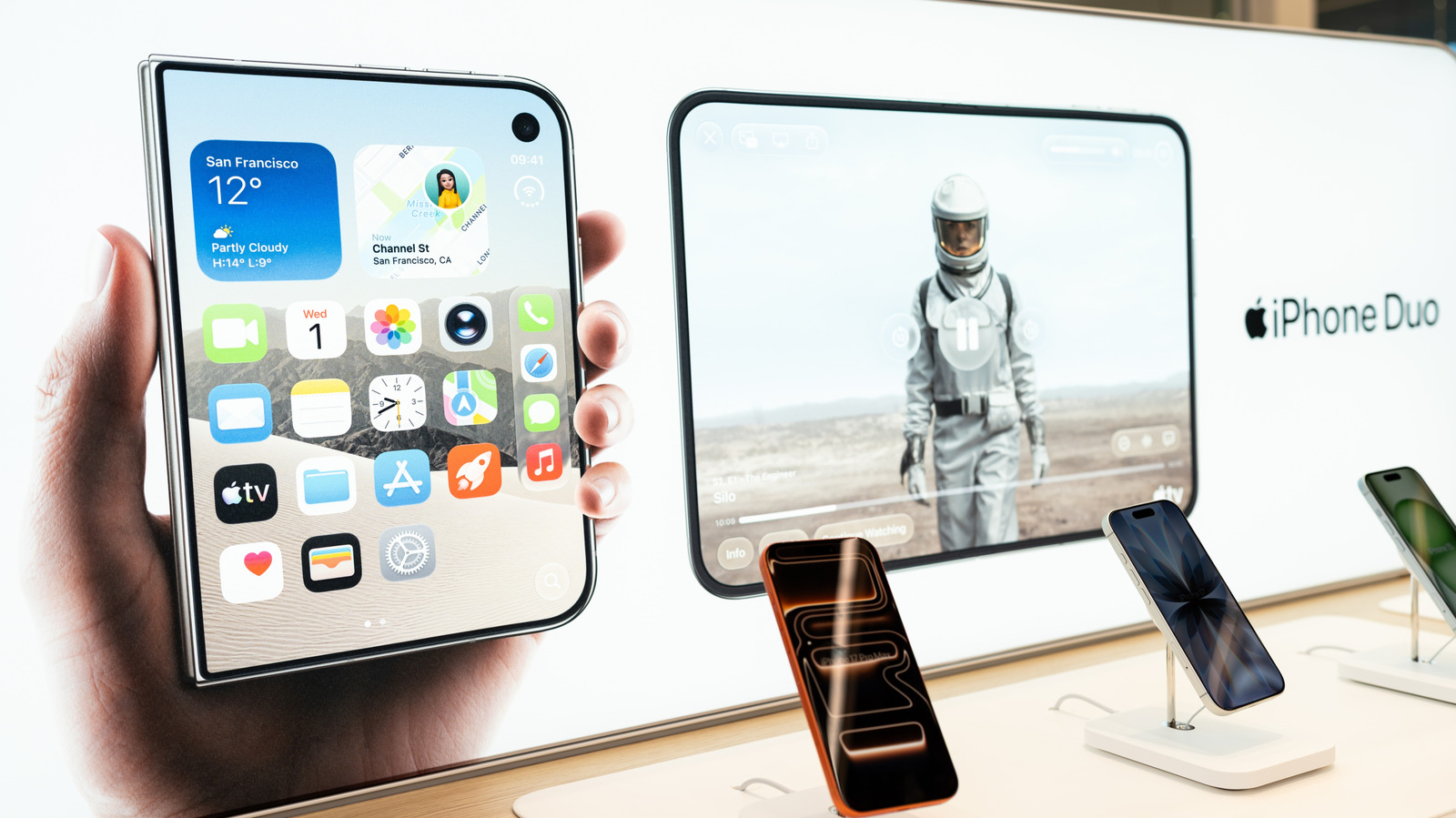
That pricing detail matters more than it first appears. Apple is not asking consumers to pay a premium for ambient AI on the wrist. It is folding the capability into an existing price point and an existing upgrade cycle, which is how a feature stops being novel and starts being expected. The camera upgrade in the iPhone 18 Pro lineup, also reported by TechCrunch, points the same way: incremental hardware refinements paired with software intelligence that accumulates context about the user's day.
Audio Intelligence Is the Real Story
Recapping a day and rewinding conversations are not conveniences in the way a brighter display is. They represent a device that continuously captures ambient audio and converts it into retrievable memory. That is a categorically different relationship between a consumer and a wearable, and it is the feature Apple is using to answer the wave of dedicated AI wearables that have entered the market.
For US consumers, this raises questions Apple's marketing will not answer. What is retained, where does it live, and who can access it? The stories above do not say, and this analysis will not speculate. What is clear is that Apple has decided the competitive battleground for wearables is memory and recall, not step counts or heart rate. Once a mainstream smartwatch records and summarises conversations, the category's centre of gravity moves from health tracking to personal archiving.
Google Retreats From the Home Tablet
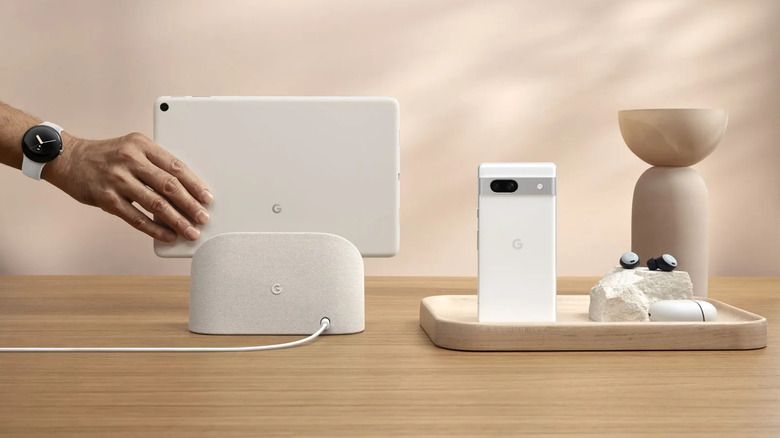
Against that, Google's decision to erase the Pixel Tablet's listing from its e-commerce store, as Engadget reported, reads as an admission that the shared home screen is not where the company's future lies. The Pixel Tablet occupied an awkward position: too stationary to be personal, too limited to replace a laptop, and dependent on a dock to justify its existence. Google's strength in the US market is software and services, not in manufacturing hardware categories it does not control.
This is not necessarily a failure of ambition. It may be a reallocation. But the timing is telling. In the same news cycle that Apple doubles down on a body-worn device with its own sensors and audio pipeline, Google exits a category defined by being placed on a counter. One company is betting that computing follows the person. The other is stepping back from computing that waits in a room.