๐Ÿ“ฃ

Advertisement

Google Ad - 970ร—90 Leaderboard ย TOP_LEADERBOARD_4

Tech's New Two-Tier Market: Pay More, See Less
Article

Tech's New Two-Tier Market: Pay More, See Less

Four stories this week show US gadget buyers paying higher prices for restricted products while the biggest interviews move off television entirely.

Arjun NairSeptember 10, 20265 min read

Photo: The Verge

๐Ÿ“ฃ

Advertisement

Google Ad - 970ร—90 Leaderboard ย TOP_LEADERBOARD_4

Four stories logged on this desk in the past two days share a single thread: the US technology market is quietly splitting into tiers, where consumers pay more for what they get and get less of what they expect. Apple is raising prices on phones it already sells, a new smartwatch ships with listening features whose implications its maker would rather frame as privacy engineering, a camera challenger is winning by simply being available, and a marquee political interview is being routed around broadcast television altogether. The common denominator is not innovation. It is constraint - imposed by pricing power, by platform design, and by regulatory pressure that now reaches all the way into late-night television.

The price you pay for last year's phone

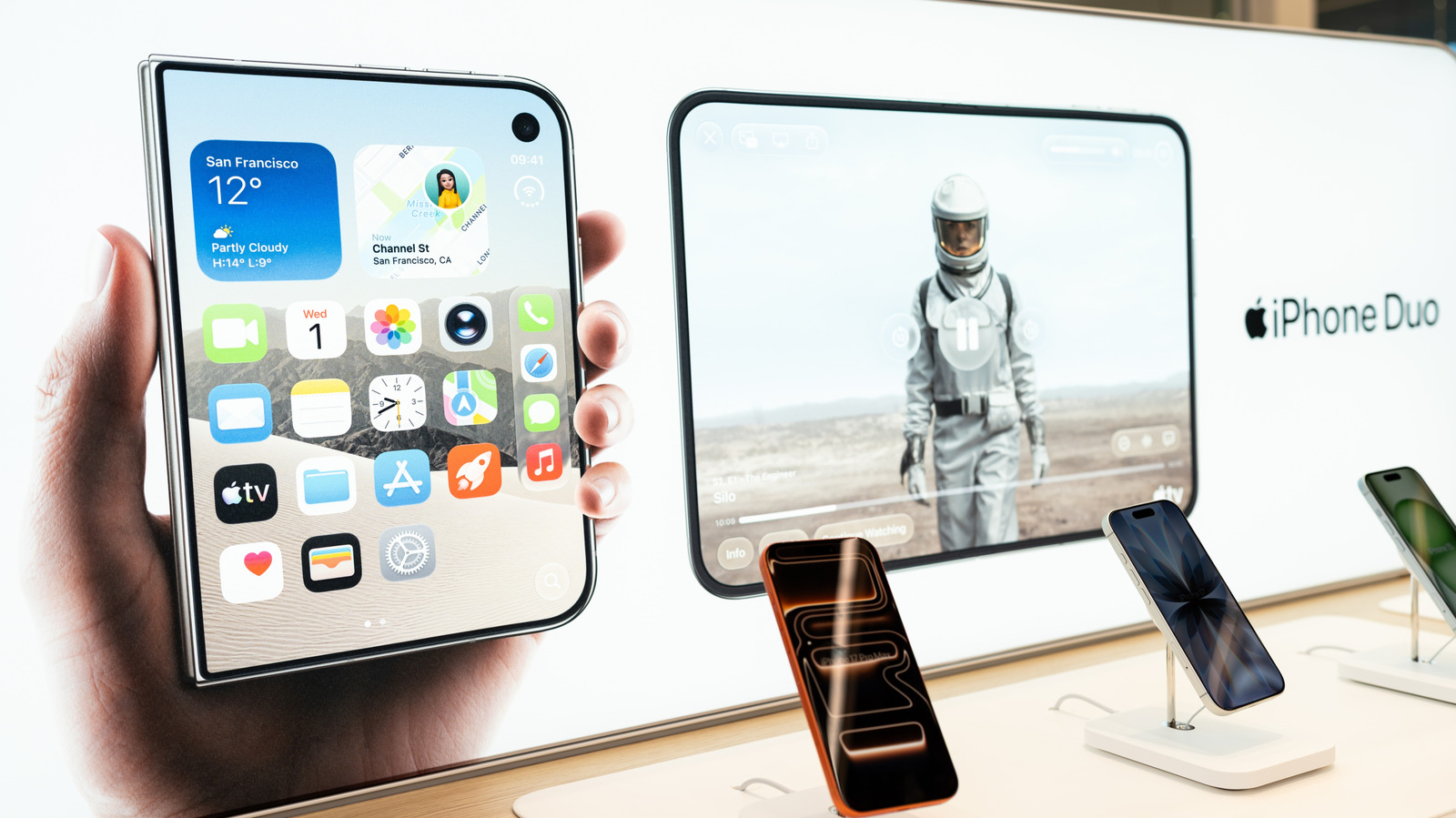
Apple is raising the price of its existing iPhone models by $100, including the iPhone 16, iPhone 17, and iPhone Air, as TechCrunch reported. That is a striking move in a product category where prices traditionally fall as hardware ages and newer models take the spotlight. Apple has new shiny iPhones on the market, and rather than discounting the previous generation to clear inventory, it is lifting the floor. For US consumers, the practical effect is that the cheaper path into the ecosystem - buying the model that was flagship last cycle - now costs materially more. For US carriers and retailers, it complicates the installment math that drives most American phone purchases. Apple's pricing power is the story, but the direction of that power is worth noting: the company is testing whether loyalty can be monetized even on hardware it has already launched.

Listening features with no neutral framing

Apple's new Apple Watch includes several "intelligent" listening features, and the company is emphasizing that privacy and security are baked in, according to Wired. Wired's framing is the sharp one: the protections cannot change the facts of what the tools do. Privacy engineering is a real discipline, and on-device processing is a genuine mitigation. But it answers a different question than the one a buyer asks. The question is not whether the audio is handled securely. It is whether a wrist-worn device listening for context is a capability the wearer wants at all. Apple is presenting a design decision as a security posture, and US consumers are being asked to evaluate the second while the first goes largely unstated.

Availability as the competitive edge

Against that backdrop, Engadget's review of the Insta360 Luna Pro lands differently than a typical gadget write-up. The pitch is straightforward: there is now a direct rival to the Osmo Pocket 4 that US buyers can easily purchase. Note what is doing the work in that sentence. Not a sensor breakthrough, not a new mount, not a software trick. Availability. For US consumers, the practical question about a competing product has become whether they can buy it at all, and a company that clears that bar starts with an advantage that has nothing to do with engineering. It is a quiet indictment of a market where supply, not specification, decides winners.

Advertisement

๐Ÿ“ฃ

728x90

MID_CONTENT_2

When the interview leaves television

Jimmy Kimmel will interview Democratic Texas Senate candidate James Talarico under unusual circumstances, posting the interview directly to YouTube rather than airing it on television during Jimmy Kimmel Live, as The Verge reported. On Wednesday night's episode, Kimmel said the decision was out of concern for retaliation from the Trump administration's FCC, which he said has threatened him. Whatever one's politics, the mechanics matter for US media and technology: a broadcast platform is being bypassed in favor of a distribution channel with no FCC license to revoke. The interview still happens. The audience still finds it. But the gatekeeping function that television once performed is being replaced, and the replacement is a platform whose rules are set by a private company rather than a regulator.

The throughline

Put these together and a pattern emerges that is bigger than any one gadget. US consumers are absorbing cost increases on hardware they could previously buy cheaper, receiving new sensing capabilities framed in the language of safety rather than function, and choosing between products partly on whether they can be obtained. Meanwhile, the highest-profile political conversation of the week is happening off the airwaves because the regulator has made the airwaves feel risky. Each story is a case of a constraint being internalized and passed downstream. The constraint might be pricing strategy, product design philosophy, distribution logistics, or regulatory fear. The recipient is the same person: the American buyer, who pays more, hears more, and in the case of the interview, sees the same content through a different pipe.

There is a version of this story that is simply about a busy news week. That reading misses how consistent the direction is. Apple raising prices on older models is not an accident of a launch cycle; it is a statement about demand inelasticity. A watch that listens is not an isolated product decision; it is part of a broader shift in what consumer hardware is expected to do by default. A camera that wins on availability reflects a supply chain reality US buyers live with daily. And an interview moved to YouTube reflects a media environment where the cost of a broadcast license now includes political exposure. None of these are dramatic on their own. Together they describe a market that is getting more expensive and more conditional at the same time.

What to watch

The material here points to a few concrete indicators. Watch whether Apple's $100 increase on existing iPhone models holds or gets reversed under competitive pressure, since that will reveal how much pricing power the company actually has. Watch how Apple's framing of Apple Watch listening features evolves, and whether regulators or reviewers force a plainer description of what the tools capture. Watch whether the Insta360 Luna Pro's availability advantage persists, or whether the incumbent closes the gap. And watch whether Kimmel's YouTube-only approach becomes a template for other hosts facing similar pressure, which would mark a durable shift of political conversation away from licensed broadcast. None of these outcomes is settled. What is settled is that US consumers are the ones absorbing the difference.

Sources: The Verge, Engadget, TechCrunch, Wired.

More on this beat: Gadgets on TechManNews.

Advertisement

๐Ÿ“ฃ

728x90

IN_ARTICLE_5

#Apple#US consumer tech#regulation#pricing#privacy#media distribution

Newsletter

Get Tech News in Your Inbox

The latest AI, gadgets, software and startup stories from TechManNews, delivered every morning - free.