The recent run of startup news suggests the market is quietly re-ranking what makes a young company worth backing. In three unrelated corners - AI funding, maritime data centers and protein snacks - the deciding factors are increasingly a specific person, a physical constraint and a plain consumer verdict. For US startups, that means a harder but more legible environment in which narrative alone no longer carries a round.
The Founder as a Funding Input
The clearest example is the AI funding gap described by TechCrunch. Under Jensen Huang, Nvidia poured tens of billions into AI startups, and founders and VCs are now bracing for smaller checks and lower valuations without him at the helm. That is a striking admission about how startup capital actually works. A single executive's presence at an investor was functioning as an underwrite, and its removal compresses the entire category's expectations.
The implication for US startups is that capital concentration is not only a function of interest rates or fund sizes. It can attach to a person, and when that person leaves, the capital does not simply reallocate elsewhere; it narrows. VCs quoted by TechCrunch are not describing a temporary pause but a reset in check size and valuation. Founders in AI should treat that as a planning assumption, not a rumor.
Physics Still Bites
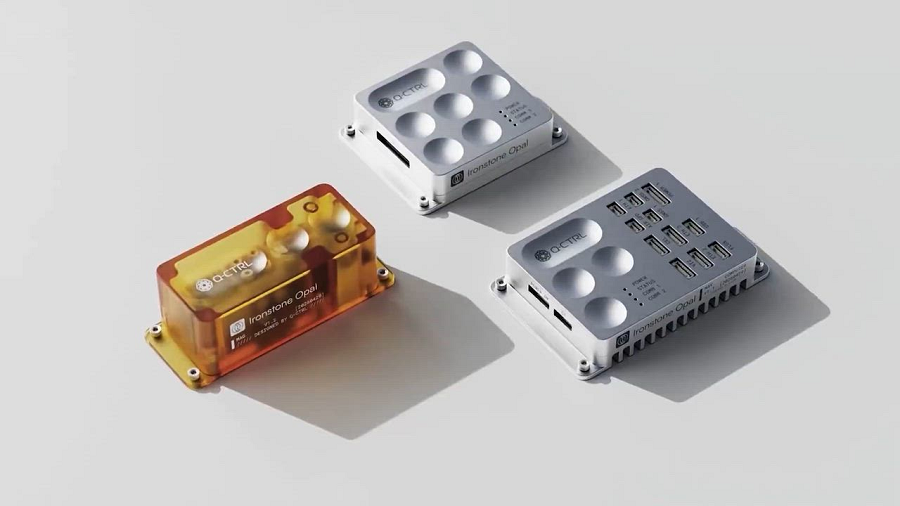
The second story, also from TechCrunch, points in a different direction. Drogue wants to power floating data centers with the ocean's heat, and investors are already on board. The first prototype is expected to be bobbing around the ocean, crunching bits, in less than two years. Whether or not the company succeeds, the fact that it is being funded while the technology is still years from demonstration is revealing.
Investors are evidently willing to fund hard, physical problems with long timelines, at least when the premise is concrete. That is a different kind of risk appetite than the AI story, where capital chased an executive's reputation. In Drogue's case, the pitch is legible: a defined energy source, a defined use case, a defined prototype milestone. The company has not promised a market; it has promised a vessel. For US startups, that contrast matters. Physical science ventures are still financeable, but the pitch has to be specific about what gets built first.
Consumers Get a Vote
The third story, from Crunchbase News, concerns protein snacks and drinks sold by venture-backed startups. The publication's taste test found most products neither great nor horrible, a deliberately unglamorous result. That verdict is more useful than it sounds. Protein has become a macronutrient consumers can get from sodas, snack bars and ice cream, categories once associated with sugar, starch and fat. Startups have rushed in to make it simpler to consume protein.
The taste test is a reminder that consumer categories are not settled by distribution or branding alone. A product can be scientifically on-trend and still land in the middle. For US consumers, that means the protein aisle is crowded with options that are functional rather than delightful, and the startup brands competing there will need repeat purchase, not just shelf placement, to survive. For founders, the newsroom's flat verdict is a warning: the category's growth does not guarantee any individual product's quality.