The recent run of smartphone coverage is not really about three different products. The thread is that the smartphone has finished its transition from a device people buy to a platform everything else is measured against. A watch is now judged by how much it lets you leave the phone behind, an aging handset is judged by whether its used price still makes sense against newer alternatives, and a car is judged by the same data-collection standards people already apply to the phone in their pocket. All three stories are the same story told from different angles.
The Phone Is the Reference Point, Not the Product
The WIRED roundup of the seven best smartwatch models from Apple, Google, and Garmin frames wearables by what they do to reduce reliance on a phone while keeping the wearer connected. That framing would have been strange a decade ago, when watches were sold as accessories to a handset. In 2026, the pitch is subtraction: the watch exists so the phone can stay in a pocket or on a charger. The phone remains the thing being subtracted from, which is exactly why the watch category only makes sense in relation to it.
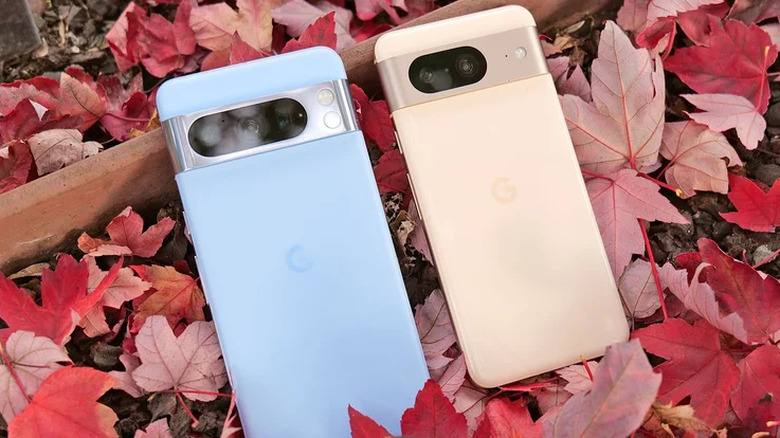
The same logic runs through Engadget's question about whether the Google Pixel 8 is still worth buying in 2026. The answer depends less on what the Pixel 8 does than on how far the smartphone market has moved since it launched. The story notes the phone has been around for a few years and that used and refurbished units are plentiful. That is a statement about the maturation of the category as much as about one handset. When a several-year-old phone is still a live consumer question, the phone business is no longer primarily a novelty business. It is a replacement business.
And The Verge's reporting on car data privacy makes the same point from the outside. The piece notes that the comparison people hear all the time is that modern cars are basically smartphones on wheels, and that like the phone in your pocket, the car in your driveway collects vast amounts of data: where you drive, how fast you accelerate, how hard you brake, how aggressively you turn, and much more. The smartphone is the template. The car is being evaluated against it.
The Subtraction Pitch Is a Confession
When the leading smartwatch recommendation is that a watch reduces your reliance on a phone, the industry is admitting something uncomfortable. The phone is so central that the best new hardware experience is not adding a screen but removing one from your hand. That is a mature-market move. It also puts pressure on US hardware companies to justify each new device by what it takes off the phone rather than what it adds.
This matters for American consumers because it changes what a good purchase looks like. A watch that mirrors notifications is no longer enough. The test is whether the wearer can leave the phone behind for a run, a meeting, or an evening and still be reachable. The WIRED framing suggests that is now the organizing principle of the category.
The Used Phone Market Is Now a Real Competitor
The Engadget piece on the Pixel 8 is not a curiosity. It is evidence that in the US market, older flagship phones are functioning as a genuine tier of the smartphone business. Plenty of used and refurbished units are available, which means buyers are choosing between a discounted several-year-old device and a new one. That choice did not really exist at scale in the early smartphone era, when each generation was so much better than the last that the previous model was obsolete on arrival.
The consequence for US technology companies is that upgrade cycles are being competed against by their own installed base. Every unit sold years ago becomes inventory that can be resold rather than a device that must be replaced with a new one. The Pixel 8 question is really a question about whether the improvements since its launch are large enough to justify the new-price premium. That is a harder argument to make than it used to be, and it is the same argument every Android maker in the US now has to make.