📣

Advertisement

Google Ad - 970×90 Leaderboard  TOP_LEADERBOARD_4

Smartphone Software Becomes the Real Product
Article

Smartphone Software Becomes the Real Product

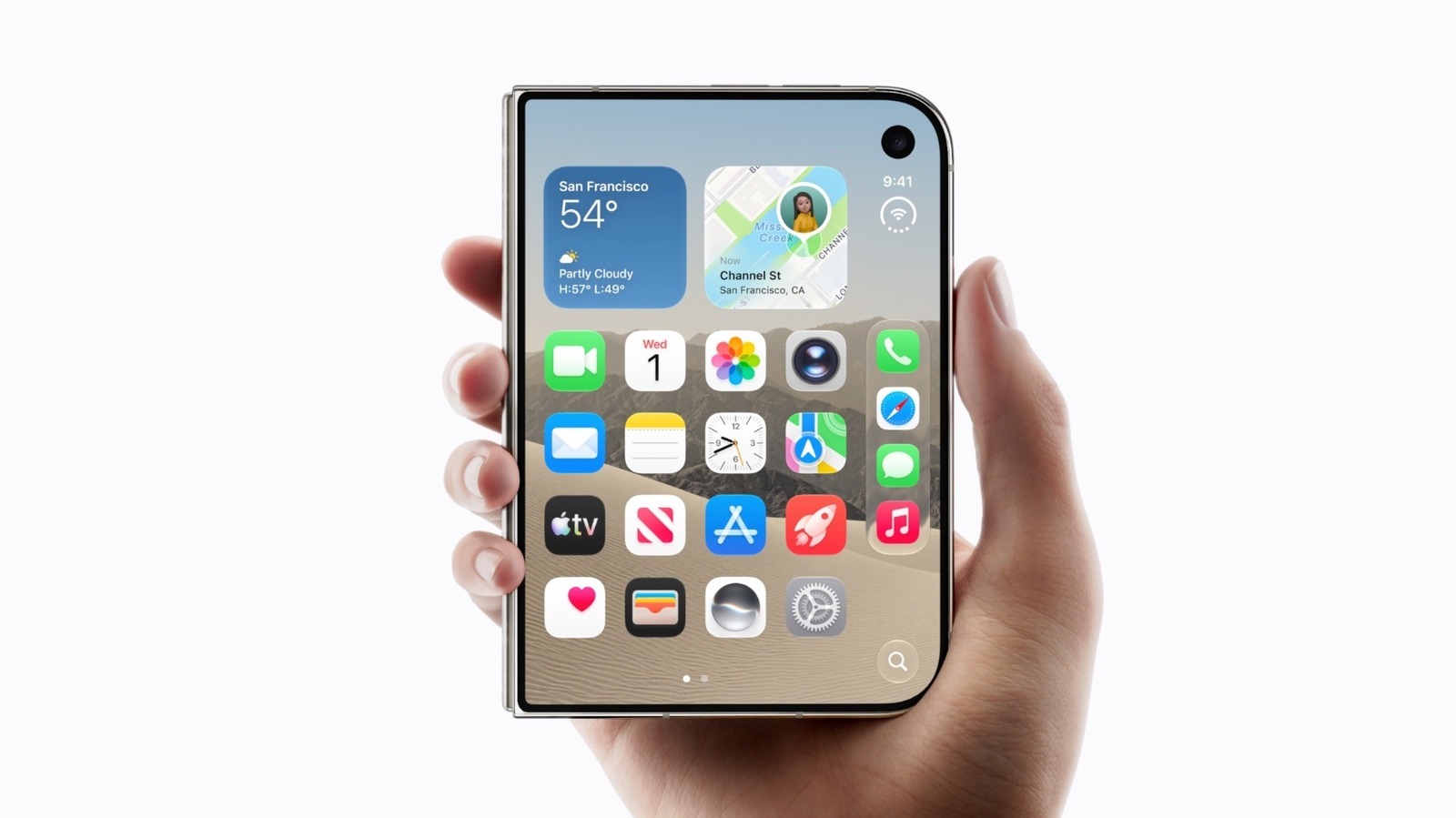
The iPhone Duo's custom iOS build shows that foldable hardware is now a software problem, and US handset makers are racing to keep pace.

JaysuryaSeptember 22, 20265 min read

Photo: Engadget

📣

Advertisement

Google Ad - 970×90 Leaderboard  TOP_LEADERBOARD_4

The Thread

The most interesting thing happening in smartphones right now is not hinge engineering or display yields. It is the growing gap between what a phone's hardware can do and what its software is actually built to support. That gap is becoming the defining competitive problem for US handset makers, and it shows up in three different places in recent coverage: how Apple is reworking iOS for the iPhone Duo, how a foldable treadmill fits into a broader design shift, and how Google's Find Hub tries to solve a problem that is fundamentally about software, not tracking hardware.

The iPhone Duo Is a Software Story

Engadget reported that the iPhone Duo makes some big changes to iOS to account for the foldable design, affecting the camera, multitasking and more. That single sentence carries more weight than it first appears to. Apple's standard iPhone software is built around a single fixed slab of glass. When you fold a screen in half, the assumptions baked into that software stop working. The camera app has to decide what a capture looks like when the device is partially folded. Multitasking has to account for a screen that can be split or partly covered. These are not hardware fixes. They are operating system decisions that Apple has to make before the device can be sold as a finished product to US consumers.

This matters because Apple's historical advantage has been integration. The company controls the chip, the operating system and the app store, which lets it ship a coherent experience on day one. A foldable forces Apple to spend that integration budget on a new form factor rather than on the incremental yearly polish that US buyers have come to expect from the iPhone line. If the software is not ready, the foldable becomes an expensive curiosity. If it is ready, it becomes the template for how Apple treats every future iPhone.

Foldable Design Is Spreading Beyond Phones

The Peloton Tread Flex, reported by Engadget as the company's first fold-up treadmill and also its cheapest to date, looks at first like it belongs on a different desk entirely. It does not. The same logic that drives a foldable phone is driving this product. A device that folds is a device that lives in a smaller footprint, and a smaller footprint means a lower barrier to purchase. Peloton is not making its treadmill foldable because folding is inherently better. It is making it foldable because the folding enables a price point and a form factor that fit into homes where a full-size machine never would.

For US consumers, that is the actual promise of folding hardware. It is not novelty. It is access. The same reasoning applies to the iPhone Duo. A foldable iPhone only becomes a mass-market product if the software makes folding feel like an advantage rather than a compromise. The Tread Flex shows that the folding trend is not confined to the smartphone industry. It is becoming a general design pattern for consumer hardware, and that pattern puts pressure on smartphone makers to make their own folding software fluent rather than bolted on.

Find Hub Shows Software Is the Product

Engadget's guide to using Google's Find Hub to locate an Android phone looks like a service piece, but it is evidence of the same trend. A lost phone is a hardware problem only in the sense that the phone is physically gone. The solution is almost entirely software: the phone has to keep reporting its position, the account system has to know which device belongs to whom, and the locating interface has to work across whatever device the user still has in hand. Google's Find Hub exists because Android phones are sold by many manufacturers, and the only way to make them behave like a coherent family is through software and account infrastructure.

Advertisement

📣

728x90

MID_CONTENT_2

This is the flip side of Apple's integration advantage. Google cannot control the hardware, so it has built a software layer that tries to compensate. For US Android buyers, the quality of that software layer is becoming as important as the specs of any individual handset. A phone that cannot be found is a phone that is functionally lost forever, no matter how good its camera is.

Why This Is a US Problem Specifically

The US smartphone market is unusually reliant on software ecosystems. Carriers subsidize hardware less than they once did, and consumers hold onto devices longer, which means the software experience has to stay useful for years. Apple and Google both operate app stores, account systems and cloud services that tie users to their platforms. A foldable iPhone that runs a compromised version of iOS would not just be a bad product. It would threaten the consistency that keeps US users inside Apple's ecosystem, which is where the company's services revenue comes from.

At the same time, US regulators and consumers are increasingly attentive to how much control platform owners have over the devices in their pockets. A foldable that requires Apple to rewrite core parts of iOS gives the company more opportunities to define what is and is not allowed on the device. That is a business risk as well as a technical one. Google faces the opposite risk: its Find Hub and Android software more broadly have to work across hardware it does not make, which limits how tightly it can integrate and how quickly it can respond when something breaks.

The Hardware Is No Longer the Differentiator

For most of the smartphone era, the selling points were physical: screen size, camera count, battery capacity, build materials. Those still matter, but they are increasingly table stakes. What separates a phone that people love from a phone that people tolerate is whether the software understands the shape of the device. The iPhone Duo is the clearest test of that idea. If Apple gets the foldable iOS experience right, US consumers will treat folding as a normal feature rather than a gimmick. If it does not, the device will be remembered as one more example of hardware outrunning software.

The same lesson applies across the market. Peloton's foldable treadmill is not a smartphone, but it is a reminder that folding is a product strategy, not a spec. Google's Find Hub is not a phone, but it is a reminder that the value of a phone depends heavily on software the user rarely thinks about until something goes wrong.

What to Watch

The clearest signals to watch are the ones the coverage above already points to. Apple's handling of the camera and multitasking on the iPhone Duo will show whether the company treats foldable iOS as a first-class platform or a modified standard iPhone. Google's continued investment in Find Hub will indicate how seriously it takes the post-purchase software experience for Android. And the spread of folding designs into categories like fitness equipment will test whether US consumers actually value the smaller footprint enough to change their buying habits. None of these questions will be settled by hardware alone.

More on this beat: Gadgets on TechManNews.

Advertisement

📣

728x90

IN_ARTICLE_5

#smartphones#foldables#iPhone Duo#mobile software#Android#US market

Newsletter

Get Tech News in Your Inbox

The latest AI, gadgets, software and startup stories from TechManNews, delivered every morning - free.