📣

Advertisement

Google Ad - 970×90 Leaderboard  TOP_LEADERBOARD_4

Smartphone Buyers Now Pay for Longevity, Not Just Specs
Article

Smartphone Buyers Now Pay for Longevity, Not Just Specs

Oppo's three 200-megapixel camera phone shows the spec race is peaking just as US buyers focus on data use and resale value instead.

SuryaSeptember 23, 20265 min read

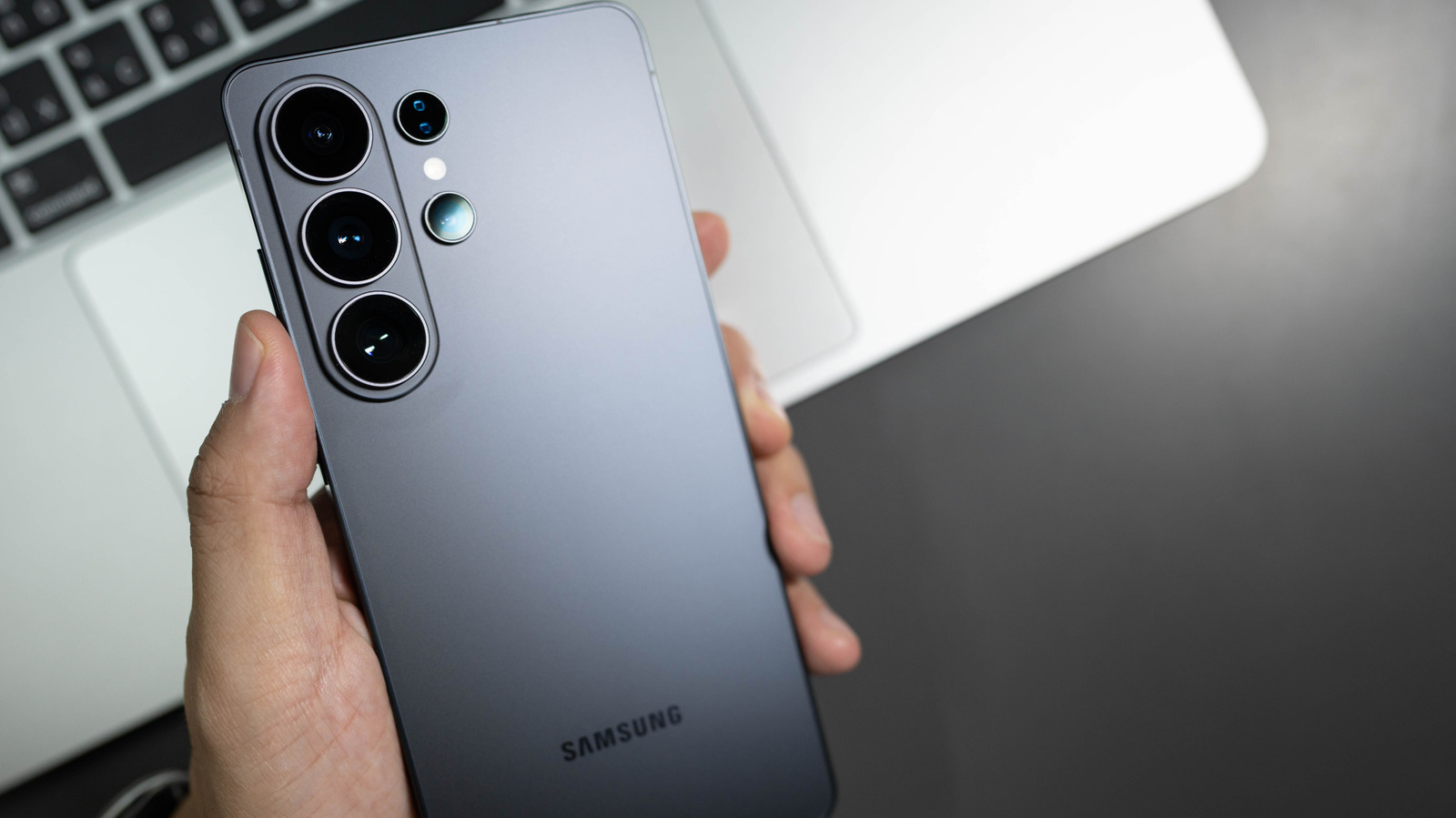
Photo: The Verge

📣

Advertisement

Google Ad - 970×90 Leaderboard  TOP_LEADERBOARD_4

The smartphone stories that matter right now are not really about hardware. Oppo's new flagship, a data-usage explainer and a trade-in comparison all point to the same shift: the interesting decisions for buyers have moved away from what a phone can do on day one and toward what it costs to own, feed and eventually dispose of. That reframes the spec race as a battle over total cost of ownership.

A Three-Sensor Flagship Arrives

The Verge reports that Oppo's new Find X10 Pro Max, launched today in China, is the first phone anywhere to use 200-megapixel sensors on all three of its rear cameras. The Verge also notes a 17-stop dynamic range for the main camera, delivered through what Oppo calls "DeepPix sensor technology," and suggests megapixel count will not be the only thing this camera is judged on.

That last point is the tell. Loading every rear camera with the same extremely high-resolution sensor is an unambiguous specification statement, and it is the kind of statement that has driven flagship marketing for years. But even the outlet covering the launch frames the megapixel figure as one variable among several. The hardware arms race is not over, but its returns are getting harder for buyers to evaluate.

For US consumers, the practical question is not whether three 200-megapixel sensors are impressive. It is whether that camera array changes what a phone is worth to them over three or four years of ownership, especially when high-resolution capture produces larger files and heavier processing loads.

The Spec Race Meets Its Ceiling

A phone that leads the world on a camera specification is still a phone that has to be charged, connected and eventually sold or traded in. The other two stories logged on this beat recently are about exactly those questions.

Engadget has published an explainer on what typically uses the most data on a smartphone, noting that unless a phone is connected to Wi-Fi all day every day, it is using data almost constantly. Engadget has also published a comparison of trade-in versus selling an old phone, noting that one of the two may get more value for the device.

Neither of those stories is about sensors or chips. Both are about the ongoing relationship between a buyer and a device after purchase. That is the thread.

What US Buyers Actually Compare

For US technology companies, this matters because the American market is dominated by carrier plans, financing arrangements and trade-in programs rather than straight cash purchases. A trade-in or resale valuation is not a footnote in that market; it is part of how a new phone gets paid for. Engadget's comparison of trade-in versus selling speaks directly to a decision millions of US buyers make at the point of upgrade.

At the same time, Engadget's data-usage explainer speaks to a cost that arrives every month. A phone with an ambitious camera system, a large display and constant background activity will consume data and battery in ways that show up on a bill. Buyers who are weighing a flagship against a cheaper alternative are effectively weighing a monthly figure, not just a sticker price.

Oppo's launch is a reminder that hardware differentiation is still possible. The Verge's coverage shows a manufacturer willing to push a specification to a place no competitor has reached. But the reception of that phone in the US context will depend on factors that have little to do with the sensor count.

Advertisement

📣

728x90

MID_CONTENT_2

The Ownership Economy Around Phones

There is a coherent way to read these three stories together. The smartphone market has matured to the point where the purchase decision and the ownership decision have separated. The purchase decision is about specifications and launch-day reviews. The ownership decision is about monthly data consumption, trade-in valuation and resale timing.

Engadget's data explainer treats constant connectivity as a baseline assumption, not an edge case. That assumption has consequences for how phones are marketed. If data use is continuous and significant, then a phone's value proposition includes how efficiently it manages that use, how clearly it lets a user see where the data is going, and whether its default settings push users toward more consumption.

Engadget's trade-in comparison treats the old device as an asset with a recoverable value. That, too, has consequences. A phone that holds value better changes the effective cost of the next upgrade. A phone that does not becomes a sunk cost.

Neither consideration shows up in a camera specification sheet.

Implications for US Technology Companies

US carriers and retailers have built upgrade cycles around trade-in programs, and the comparison Engadget published speaks to a live consumer question about which path returns more value. US phone makers that compete on specifications alone are competing on the part of the decision that is already well understood. The part that is less well understood, and arguably more influential, is the ongoing cost of connection and the residual value of the device.

There is also a software dimension. A phone with three 200-megapixel sensors generates a lot of data to manage, and the Verge report notes that megapixel count will not be the only thing this camera is judged on, pointing to dynamic range as a competing metric. Dynamic range and sensor technology are the kind of capabilities that depend on processing and software as much as on hardware. That means the meaningful differentiation may increasingly live in firmware and computational photography, where US platform companies already compete.

The caution for US buyers is straightforward. A world-leading camera specification does not, by itself, reduce a monthly bill or improve a trade-in offer. The two are separate ledgers, and the second one is where loyalty and satisfaction are increasingly decided.

What to Watch

Watch whether the Find X10 Pro Max's three 200-megapixel array gets evaluated on image quality and dynamic range rather than resolution alone, since The Verge's own framing already points in that direction. Watch whether US carriers and retailers adjust trade-in valuations in response to how well new flagships hold value, given the trade-in versus selling question Engadget raised. And watch how data-usage transparency evolves, because Engadget's explainer assumes near-constant consumption as the norm. The specification race is not finished. It is just no longer the whole story.

More on this beat: Gadgets on TechManNews.

Advertisement

📣

728x90

IN_ARTICLE_5

#smartphones#Oppo#trade-in#mobile data#camera specs#US market

Newsletter

Get Tech News in Your Inbox

The latest AI, gadgets, software and startup stories from TechManNews, delivered every morning - free.

Smartphone Buyers Now Pay for Longevity, Not Just Specs | TechManNews