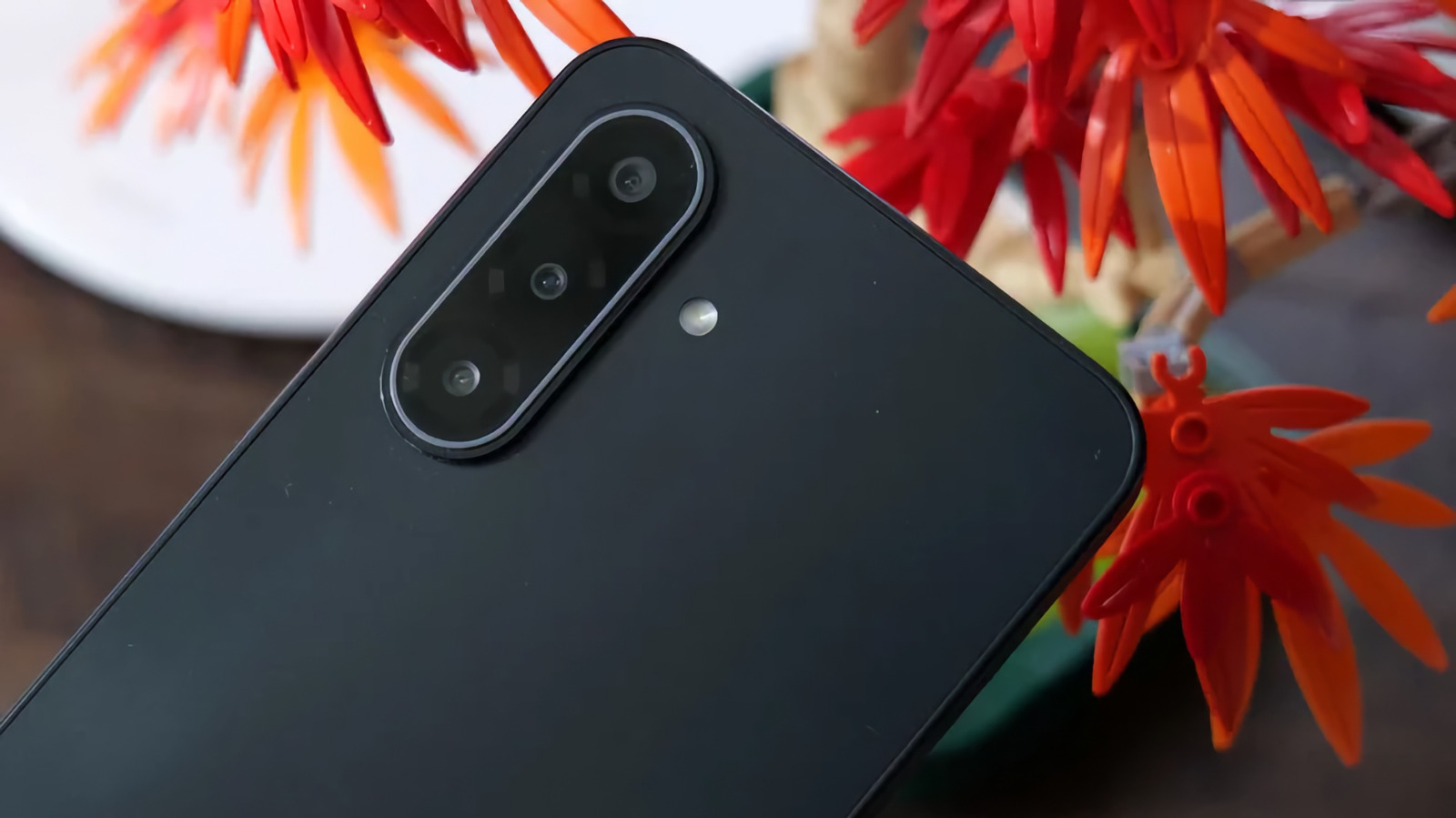
The smartphone business is quietly closing its cheapest door while opening a side entrance. Samsung and Google are raising prices on their budget phones, even as tablets and reused handsets increasingly cover the ground those cheap phones once held. The result for US consumers is not a sudden disappearance of affordable mobile computing, but a shift in where it lives and who profits from it.
The Budget Tier Is Getting More Expensive
The most direct signal comes from the entry level itself. As Engadget reported, Samsung and Google are raising prices on their budget phones, a move Engadget summed up dryly as "line go up (bad version)." The two companies are the most important sellers of Android hardware in the United States, and their budget lines have historically been the default recommendation for buyers who want a competent phone without a flagship bill. Raising prices there narrows the number of genuinely inexpensive new smartphones on US shelves. That matters because the budget tier is where first-time smartphone buyers, prepaid customers, and price-sensitive households enter the market. When the floor rises, those buyers either pay more, wait longer to upgrade, or look elsewhere.
The Tablet Becomes the Value Play
That elsewhere is increasingly a tablet. Engadget's comparison of the Samsung Galaxy Tab S12 Ultra and the Apple iPad Pro framed the choice between the two as "probably simpler than you think." The framing is telling. These are premium tablets, but the comparison exists because tablets have become a serious alternative for tasks that once justified a phone upgrade or a second device. A large-screen tablet can handle reading, streaming, messaging, light productivity, and video calls. If a budget phone now costs more, the calculus for spending a bit extra on a tablet that lasts several years starts to look different. The tablet category is not a phone replacement, but it is competing for the same discretionary dollars that budget phone buyers are being asked to spend more of.
Old Phones Become the New Low End
The other pressure valve is the device already in the drawer. Engadget's collection of handy ways to reuse an old Android phone described turning an aging handset into "a surprisingly handy tool in your daily routine." That is a consumer behavior story with direct market consequences. Every repurposed phone is a device that did not need to be replaced at the new, higher budget price. It is also a device that stays out of the resale and trade-in pipeline, which affects the supply of refurbished phones that normally serve the most price-sensitive US buyers. When new budget phones get more expensive, the incentive to squeeze more life out of the old one grows, and the used market tightens for everyone downstream.
Why the Squeeze Is Happening Now
The three stories point to a single structural reality: the cheap smartphone is no longer a growth business for the companies that make Android. Samsung and Google have flagship ambitions, and their budget lines have become a drag on the average selling price they report to investors. Raising budget prices pushes that average up without requiring new customers. Meanwhile, tablets offer better margins than entry-level phones and a longer replacement cycle, which makes them attractive to the same vendors. For US technology companies, the strategic logic is straightforward. For US consumers, the logic is less comfortable. The affordable option is not being withdrawn; it is being redefined as either a larger device or an older one.