Samsung's Own Software Is Becoming the Android Story
Article

Samsung's Own Software Is Becoming the Android Story

Samsung, Google and the security tradeoffs of phone identifiers point to the same conclusion: the Android experience is now shaped by software layers users rarely think about.

SuryaNovember 7, 20264 min read

Photo: Engadget

The smartphone is no longer sold on hardware alone. The three stories logged on this beat show the same pattern from different angles: the meaningful differences between phones now live in software layers the buyer never sees at the point of sale. Samsung's One UI 9 update, Gboard's buried productivity features and the quiet exposure of IMSI and IMEI identifiers all describe a market where the value and the risk sit one level below the spec sheet.

Samsung Sells a Software Product Now

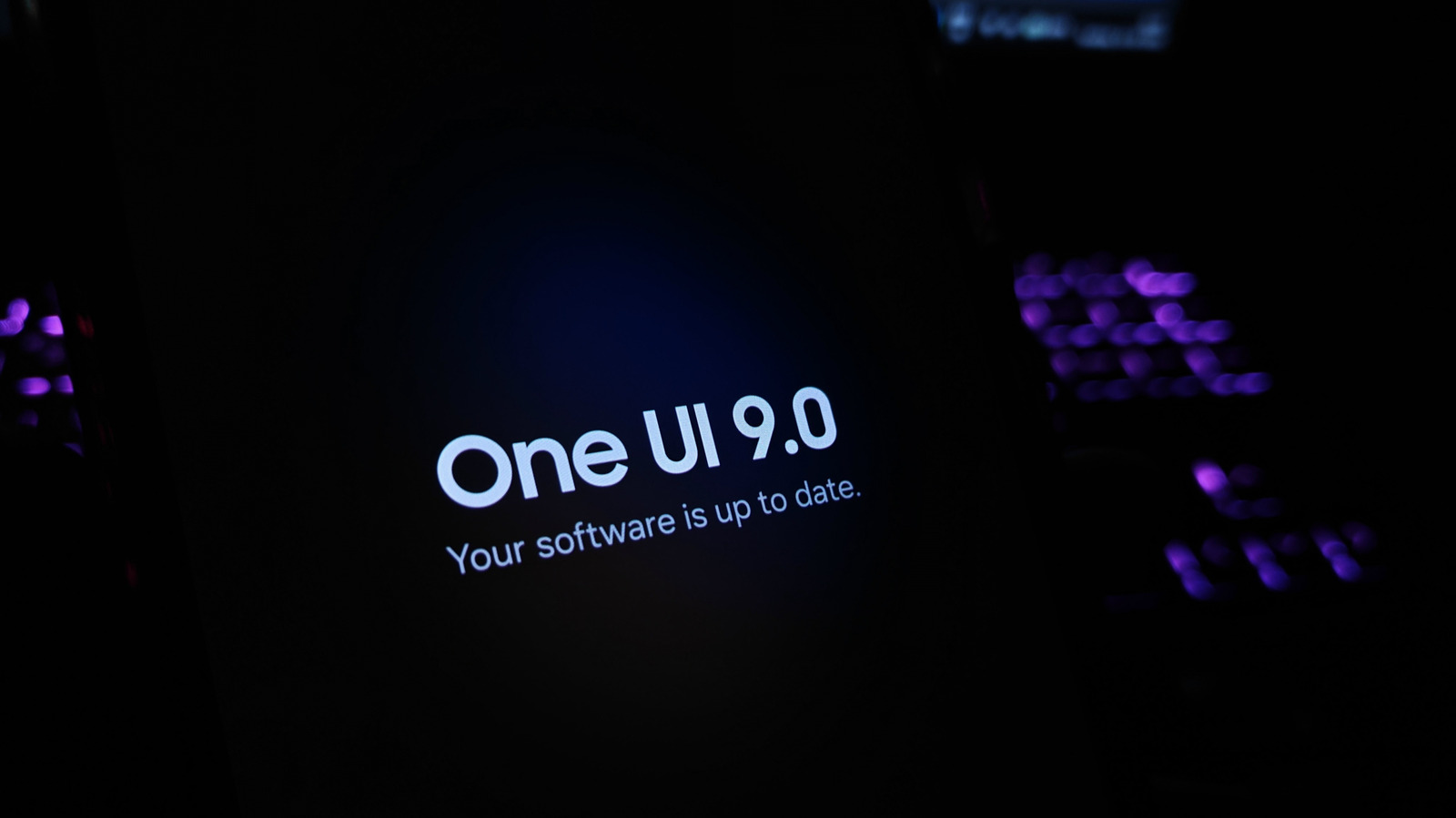
As Engadget reported, Samsung's One UI 9 update brings improvements to the camera, gestures, privacy and much more. That framing matters. Camera, gestures and privacy are not discrete hardware upgrades; they are the terms on which a phone feels new two years after purchase. For US consumers, this reframes the upgrade decision. The question is increasingly whether the software layer keeps delivering, rather than whether the handset has the latest sensor or chip. Samsung's willingness to push a broad feature update to existing devices is a competitive argument aimed squarely at buyers who hold phones longer and expect them to improve in place.

That has consequences for how the US market reads a Samsung launch. The hardware announcement is the headline, but the durable story is the update cadence behind it. A phone that gains camera and privacy improvements after purchase behaves like a subscription to the manufacturer's software roadmap. Buyers who understand that will weigh the software promise, not just the launch-day demo, and competitors will be measured against it.

The Features Are There, If You Find Them

Engadget's guide to Gboard makes a related point from the other direction. Gboard's built-in features go well beyond many of the standard keyboards available on Android devices, but they do need to be enabled. That single sentence captures a structural problem in the Android ecosystem: capability and usable capability are not the same thing.

For US Android users, the productivity gains from the default keyboard depend on knowing that settings exist and taking the time to switch them on. That is a poor delivery mechanism for features that could differentiate a device. It also means the practical gap between a well-configured Android phone and a poorly configured one is larger than the gap between two handsets on a carrier shelf. The software layer rewards attention, and most buyers do not have the time to give it.

For US technology companies building on Android, this cuts both ways. Buried features are cheap to ship and hard to monetise as differentiation. A keyboard that hides its best tools is not competing on them. The companies that win attention in this layer will be the ones that surface capability by default rather than parking it in a settings menu.
Identifiers Show the Same Layer From Below

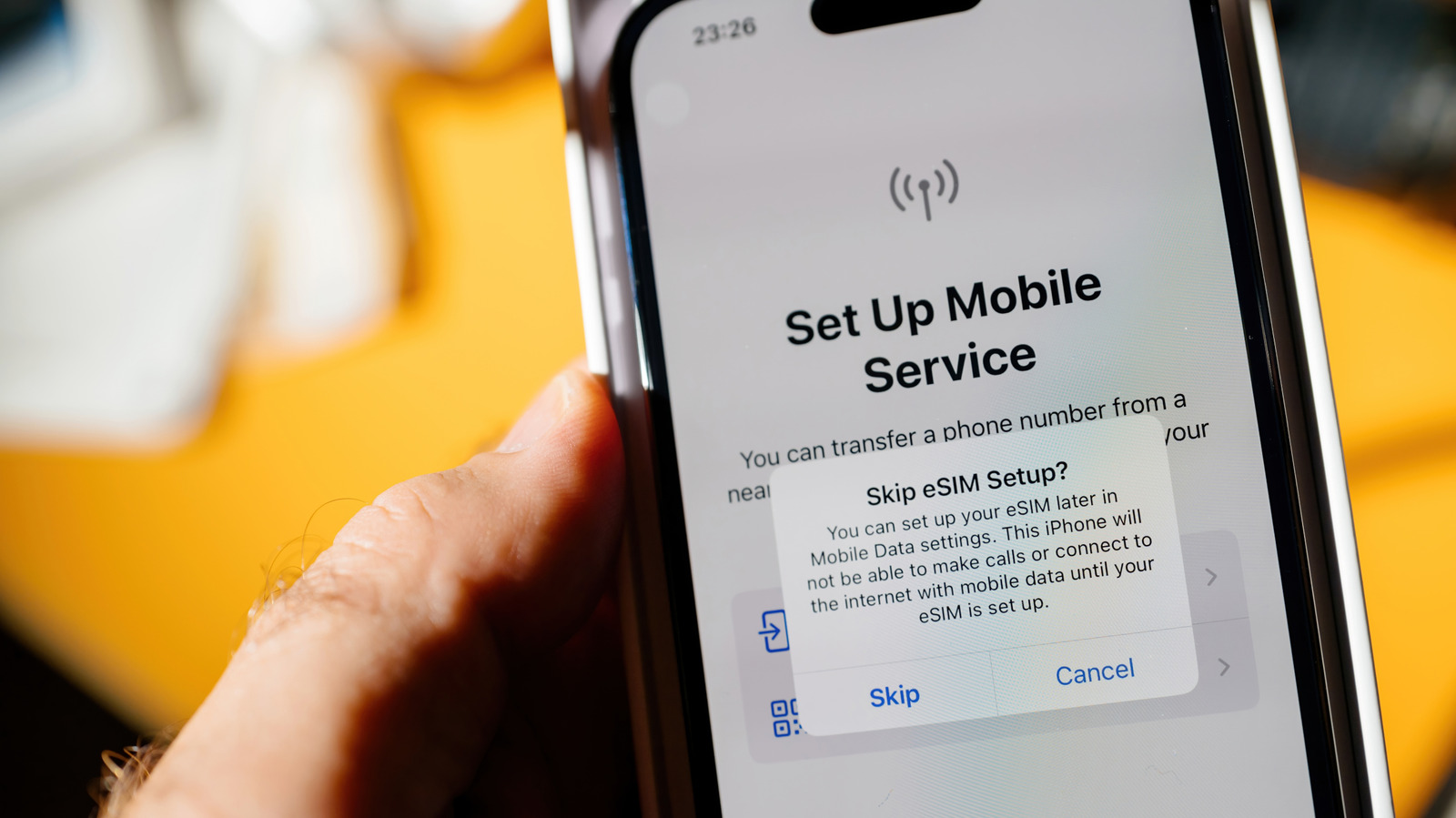
BleepingComputer's comparison of IMSI and IMEI rounds out the pattern. IMSI and IMEI are IDs a phone shares with networks, and the piece explains how they differ, how attackers obtain them, and why rotating an IMSI blunts tracking. This is the same software and protocol layer, viewed from the risk side rather than the feature side.

The identifiers are not new, and neither is the exposure. What the coverage makes clear is that the ordinary operation of a phone broadcasts information about its owner, and that the defences available are partial. Rotating an IMSI reduces tracking; it does not eliminate the broadcast. For US consumers, the practical implication is that privacy is a property of how the device and network handle identity, not a setting a buyer can simply toggle off. The One UI 9 privacy improvements Engadget describes sit in the same conversation: manufacturers are now competing, at least partly, on how they manage a layer that users cannot directly inspect.

Why This Matters to the US Market

The common thread is that Android's differentiation has migrated to software that is invisible until someone points at it. Samsung's update pushes features to existing owners; Gboard hides features behind enablement; identifiers leak by design. In each case, the buyer's experience is determined by decisions made below the surface, by Samsung, by Google or by the network protocol itself.

That is a meaningful shift for US technology companies. Hardware parity at the mid and high end is well established, so the software layer is where loyalty is earned or lost. A broad feature update is a retention tool. A keyboard that requires configuration is a missed opportunity. An identifier that broadcasts by default is a liability that no marketing spend offsets. The companies that treat this layer as a product, rather than as plumbing, will hold the advantage.

For US consumers, the lesson is less about any single handset and more about what to evaluate. The relevant questions are whether the manufacturer keeps improving the device after purchase, whether the defaults are good enough to use without digging, and how the phone handles the identity information it must share with a network. None of those appear on a spec sheet, and all of them shape daily use more than another camera sensor would.

What to Watch

Watch whether Samsung's One UI 9 feature set reaches older devices broadly or concentrates in the newest hardware, because that determines whether the update is a real retention strategy or a launch talking point. Watch whether Google changes what Gboard enables by default, since the gap between built-in and switched-on is where much of the productivity story currently dies. And watch how identifier protection develops in practice, given that rotating an IMSI blunts tracking rather than ending it. The through-line to track across all three is simple: the smartphone story is now a software story, and the software is mostly out of sight.

More on this beat: Gadgets on TechManNews.

#Smartphones#Android#Samsung#Privacy#Mobile Software

Newsletter

Get Tech News in Your Inbox

The latest AI, gadgets, software and startup stories from TechManNews, delivered every morning - free.