The wearable market is fragmenting around what a watch is actually for. As Engadget reported in 2026, the Qalo SL-1 and Garmin Cirqa are screenless, minimalist devices that both cost about $200, while other coverage asks what to do with an old smartwatch and whether an Amazfit budget watch is worth buying. Taken together, the stories point to a US wearable market where dedicated simplicity, repurposed utility, and budget capability are becoming distinct product categories rather than points on a single feature ladder.
The appeal of the screenless watch
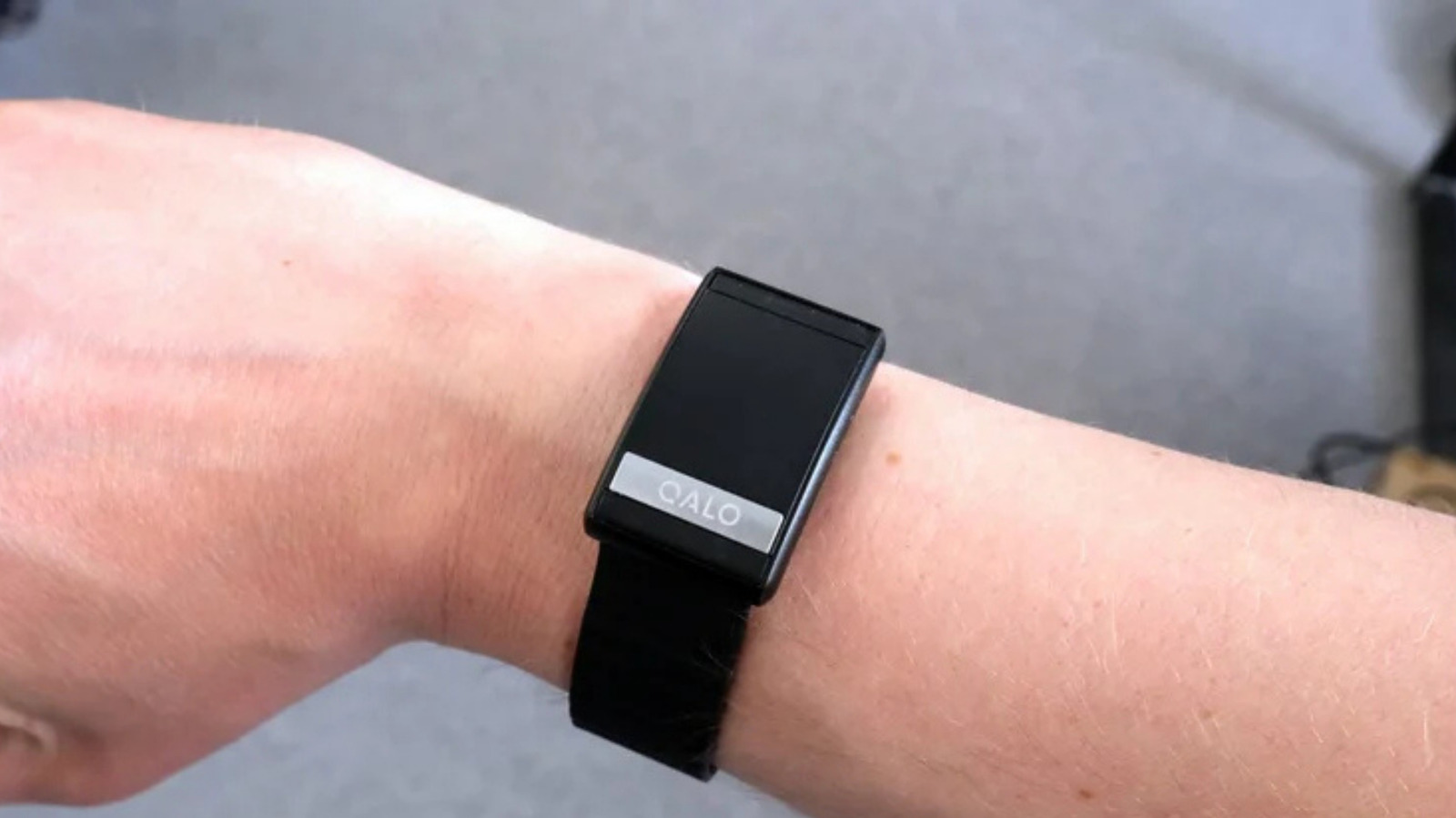
The Qalo SL-1 and Garmin Cirqa are the clearest expression of the thread. Both were released in 2026, both cost about $200, and both omit the screen entirely, according to Engadget's comparison. That is a deliberate subtraction, not a cost-cutting shortcut. A $200 price is real money in the wearable aisle, and consumers who spend it on a screenless device are buying a specific idea of what a watch should do rather than a stripped-down version of a smartwatch.
The comparison shows the two devices differ in key ways despite their shared minimalism, which matters for US buyers. A screenless category is not a single product. Two devices can land at the same price and the same form factor and still make different bets about what belongs on a wrist. For US technology companies, the lesson is that the minimalist segment is already contested. A company that assumes a screenless watch is one undifferentiated idea will misread a market where the details of the implementation, not the absence of a display, drive the choice.
When a screen is not the point
The comparison also reframes what a wearable is competing against. A screenless watch is not losing to a smartwatch on features so much as declining to compete on them. At about $200, the Qalo SL-1 and Garmin Cirqa sit in the same price neighborhood as capable devices with displays, and Engadget's framing treats the screenless pair as an alternative rather than a downgrade. That is a meaningful shift for the US market, where the smartwatch has generally been sold on doing more.
The implication for US companies is that the feature race is no longer the only route to a $200 sale. A device that deliberately does less can still command a mainstream price if it is clear about its purpose. That puts pressure on marketing and product definition as much as on engineering. The question a US firm has to answer is not what else can be added, but whether the watch has a coherent reason to exist that a buyer can state in one sentence.
The second life of the old smartwatch
Engadget's piece on unexpected uses for an old smartwatch points at the other end of the same thread. The story notes that a smartwatch need not be discarded, and that repurposing it can turn it into an assistant or a note-saving tool rather than letting it gather dust. That is a small consumer behavior, but it has a large effect on the US market: every old watch kept in service is a watch not replaced and a new purchase deferred.
For US technology companies, that is a demand-side reality. Upgrades are not automatic. A wearable that still has a use, even an improvised one, stays out of the drawer and out of the upgrade cycle. The repurposing story is not really about clever tricks. It is about the durability of the installed base and the way consumers extract value from hardware they already own. Companies that plan on replacement cycles should reckon with buyers who have learned to extend them.
It also reinforces the first point. If an old smartwatch can be repurposed into an assistant or a note-taking device, then the value of a wearable is not fixed at purchase. That flexibility makes the case for a dedicated, single-purpose device like the Qalo SL-1 or Garmin Cirqa sharper, not weaker. Consumers can keep an old smartwatch for improvised tasks and still buy a screenless watch for the thing they actually want on their wrist.