The chip stories crossing the wires share more than tight supply. They show that scarcity has stopped being a temporary phase and become a working condition of the semiconductor market, one that now generates opposite outcomes at once: Intel cannot make affordable laptop chips fast enough, while advanced AI chips are being smuggled through airports in server casings. The same constrained supply chain is producing feast for one layer of the market and enforcement action for another.
Two Kinds of Shortage
The Intel story, as The Verge reported, is a shortage of the ordinary kind. On the company's latest earnings call, CEO Lip-Bu Tan said demand for its budget-focused Wildcat Lake chips "is outstripping supply," and CFO David Zinsner said the chips are now sold out. Zinsner described "significant growth in Wildcat Lake" and called the timing right because the product is cost-optimized. That is a supplier failing to keep pace with buyers who want cheap silicon.
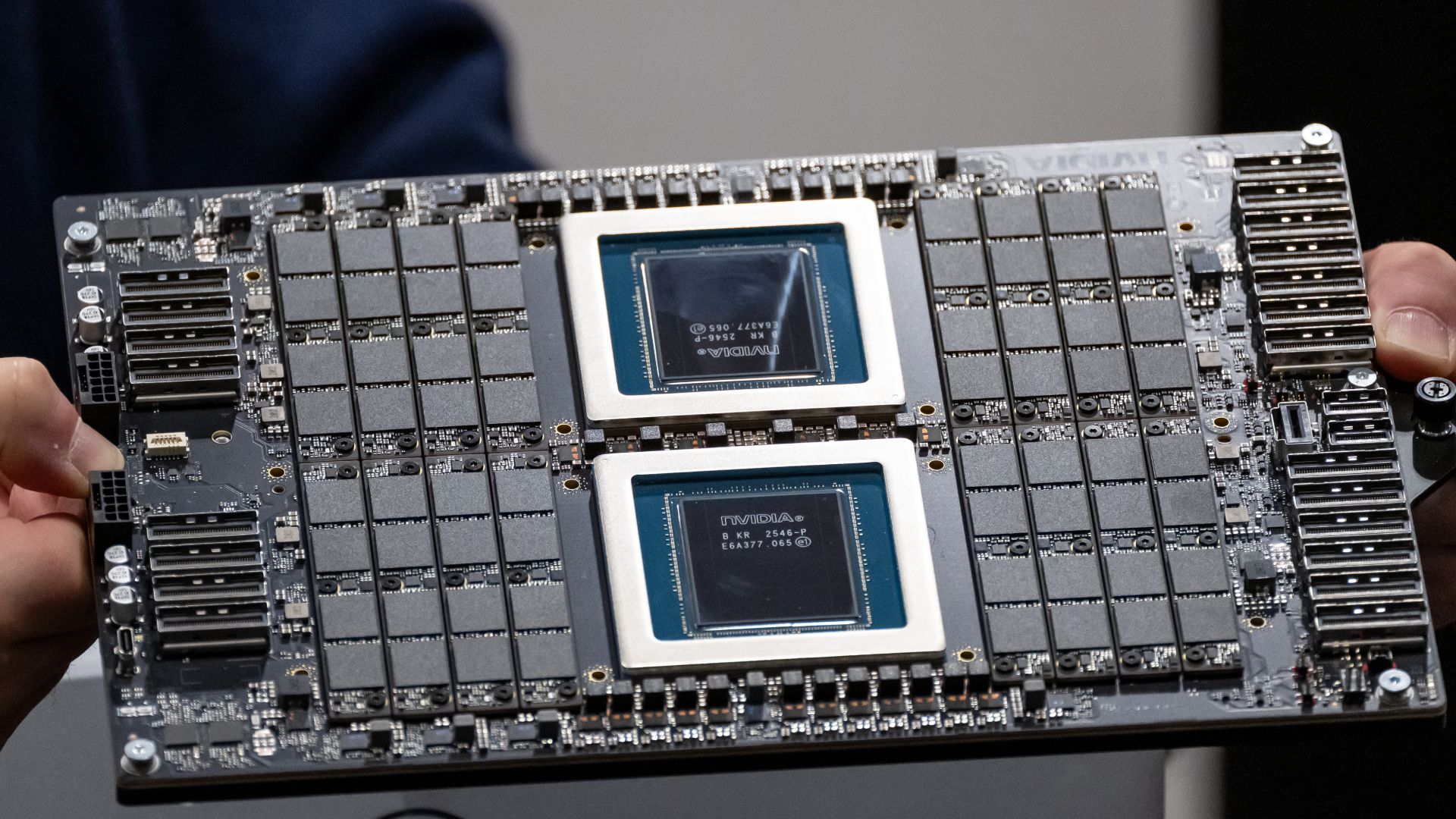
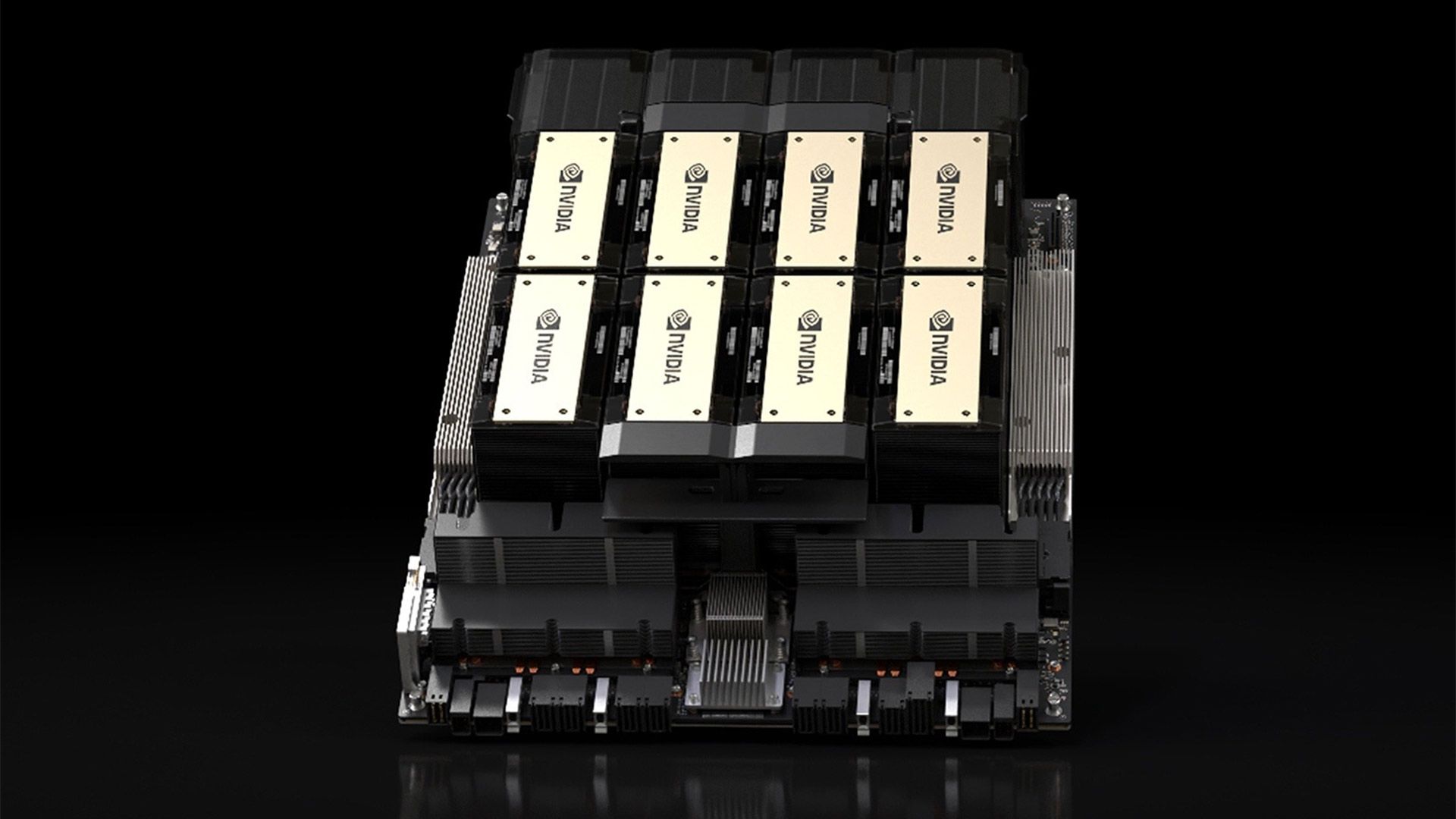
The Malaysia seizure, as Tom's Hardware reported, is the opposite kind of shortage. Customs officials at Kuala Lumpur International Airport seized 30 servers containing more than $12 million worth of advanced AI chips, part of an investigation into a suspected smuggling network linked to earlier seizures. Here the missing product is top-end AI silicon, moved not through normal channels but through a concealed route because lawful supply cannot or will not reach the buyer.
One shortage is measured in unfilled purchase orders for inexpensive parts. The other is measured in confiscated hardware. Both are symptoms of the same condition: capacity is finite, allocation is political, and every gap in the legal channel becomes an incentive for someone to build an illegal one.
The Affordable Tier Is Tightening
The Intel disclosure matters for US consumers precisely because it concerns the cheap end of the market. Wildcat Lake is described as budget-focused, which means the buyers affected are the ones purchasing mainstream laptops, not data-center operators with procurement teams. When a cost-optimized part sells out, the first effects hit PC makers who depend on low-cost silicon to hold retail prices down, and then the buyers of those machines.
Zinsner's description of the product as cost-optimized explains why the shortage is unlikely to resolve through price alone. The chip exists to serve a price-sensitive tier, so a spike in its price would defeat its purpose. Intel's options are to expand output or to allocate what exists, and the earnings-call language suggests the company currently sees demand running ahead of what it can deliver. For US buyers, the practical consequence is less choice at the low end and less room for discounting.
Allocation as an Enforcement Problem
The Malaysia case shows what happens when the legal allocation of advanced chips does not match demand. Roughly $12 million of AI chips hidden inside 30 servers is not an accident of logistics; it is an attempt to move restricted or scarce goods past the point where they would be inspected. Authorities tied the seizure to a suspected network and to previous seizures, which indicates repetition rather than a one-off.
The enforcement burden falls on customs agencies rather than chipmakers, but the underlying constraint is set by the industry. Every advanced chip that is allocated, restricted, or simply unavailable in a given market creates a shadow price that smuggling networks will try to capture. The server format is revealing: it is the packaging of a data-center product, not a consumer one, which indicates the intended destination was commercial computing capacity. US vendors and their customers are not neutral observers here; the diverted product competes, indirectly, with the legal market they supply, and enforcement actions shape how quickly authorized capacity reaches legitimate buyers.