The defining fact of the chip business in 2026 is not that demand is high. It is that supply is being sorted, deliberately and visibly, toward the buyers who can pay the most. Three stories logged on this beat point the same direction: a Chinese giant reaching Nvidia's best silicon through a Norwegian data center, Micron ending a gaming memory part to chase AI margins, and thieves who stole what they thought were Nvidia trailers and found sand. Each is a different symptom of one condition. Advanced chips are scarce enough that their allocation is now a strategic act, and that has consequences for US companies, the US market, and American consumers.
Access Is the Product Now
The first story is the clearest. As Tom's Hardware reported, ByteDance gained access to more than 2,000 Nvidia B200 chips through a Norway data center operated by UK-based Nscale, which signed a deal with Spring (SG) Pte Ltd, a subsidiary of the Chinese tech giant. The detail that matters is not the count. It is the structure. According to the same reporting, Nscale made no direct mention of the TikTok parent in filings for a U.S. IPO, and a supporting document labeled Spring only as a significant customer.
That is what scarcity does to a supply chain. When the fastest accelerators are constrained and export rules restrict who can buy them directly, demand does not disappear. It reroutes. It shows up as intermediaries, as customers described in filings by their legal names rather than their parents, as capacity in third countries. The chip still moves; the visibility does not. For US companies selling into this market, that is an uncomfortable position. Nvidia's product ends up in places its own compliance machinery may not fully map, and the intermediaries that make it happen sit closer to US capital markets than their disclosures suggest. Nscale's planned US listing, if it proceeds, would put that tension in front of American investors directly.
Memory Follows the Same Gravity
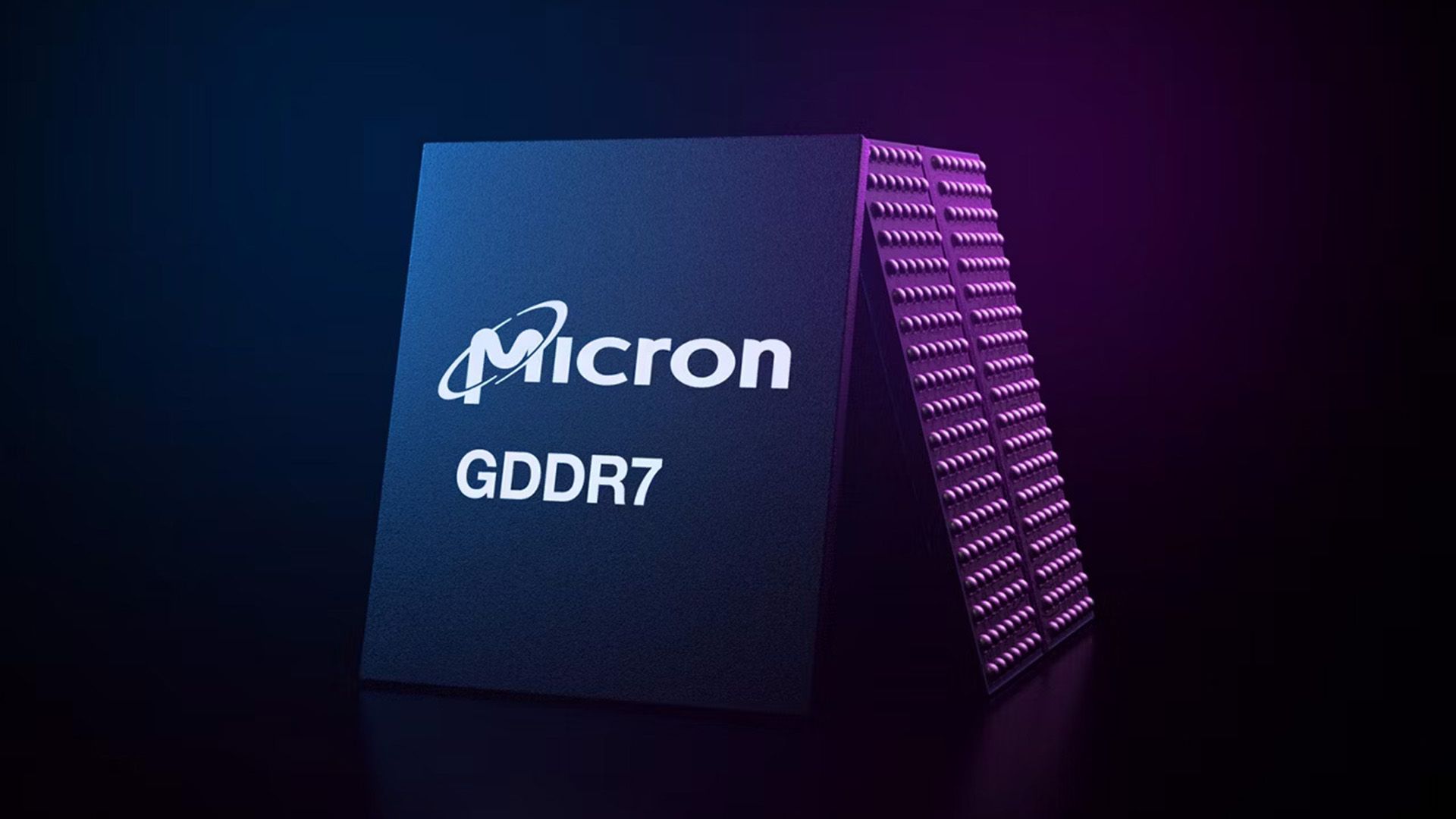
The second story is the same force expressed through a product decision. Tom's Hardware reported that Micron is discontinuing its 2GB GDDR7 chips for gaming GPUs and shifting toward higher-density 3GB parts aimed at more lucrative professional and AI-focused GPUs. Nothing about that is irrational. A memory maker with limited wafer capacity will put it where the margin is, and right now the margin is in AI accelerators, not graphics cards.
But the effect is a quiet transfer of cost and availability away from consumers. Gaming GPUs are the most visible consumer-facing use of cutting-edge memory. When the supply of a given density tightens or disappears, board partners have fewer options, and the parts that remain are the ones that make economic sense at AI prices. US consumers who buy discrete graphics cards do not negotiate with Micron. They experience the outcome as higher prices or fewer configurations. The pattern is familiar by now: the AI buildout does not merely compete with consumer hardware for attention; it competes with it for the same fabs.
The Shortage Has a Physical Shadow
The third story looks like a punchline, and it is, but the joke is on the thieves. Wired reported that thieves stole trailers they believed were carrying Nvidia goods and ended up with 20 tons of sand. They wanted the silicon; they got the sand.
Strip away the comedy and the story is a measurement. It tells you what the physical form of an Nvidia shipment is worth on the black market, and it tells you that people with no inside knowledge assume any Nvidia trailer is worth stealing. That assumption does not come from nowhere. It comes from a two-year stretch in which accelerator hardware has been scarce, expensive, and worth fencing. The theft attempt is a crude index of scarcity, but it is an index nonetheless. When sand is what you get, the premium is on what was supposed to be inside.