The processor business is moving from named flagships to tiered ladders. Three recent launches on this beat show chipmakers splitting the same generation into more versions, attaching bigger memory and higher prices to the top rungs, and letting regional availability be set by the tier a product occupies. For US buyers, that means the newest silicon increasingly arrives first and costs most at the high end, while the hardware below it is defined less by generation than by which tier it can pay for.
One Generation, More Names
Qualcomm's Snapdragon 8 Elite Gen 6 arrived this year in two forms, with an 8 Elite Extreme Gen 6 joining the standard part, as The Verge reported. Qualcomm describes both as flagship phone chips, and the reported spec differences are minor, concentrated in AI processing, video capture, and gaming performance on the Extreme model. That is the pattern in miniature: the generation is the marketing frame, but the tier is the product. Splitting a launch into a base and an Extreme version lets a chipmaker serve premium phones without abandoning the price points below them, and it lets phone makers advertise the same generation name across devices that are not actually equivalent. The practical effect is that a generation label stops telling a buyer much on its own. The suffix does more work than the number.
Memory Becomes the Tier Marker
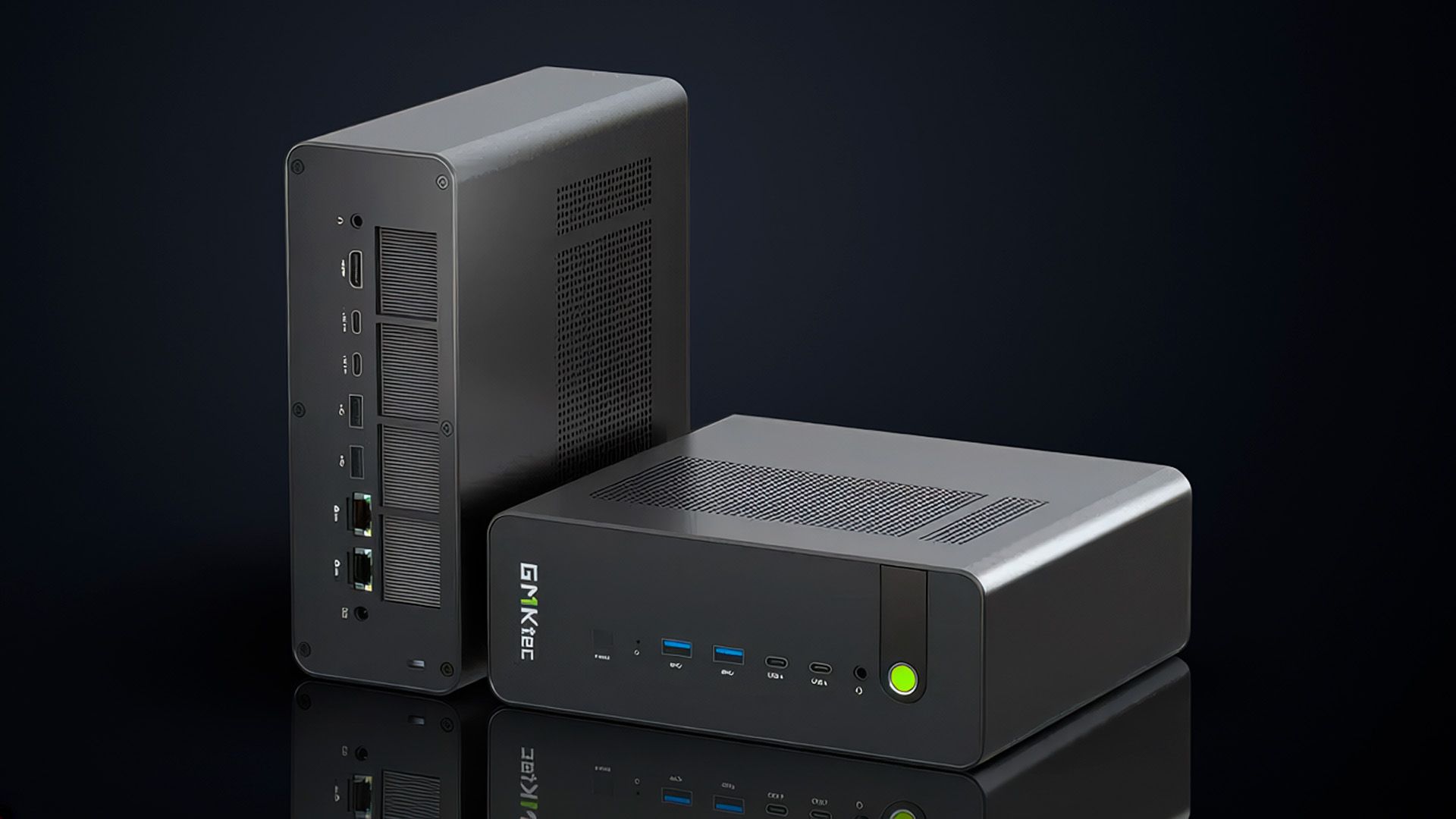
The second story makes the tier logic explicit in a non-phone product. GMKtec launched the Evo-X5 Pro, an agentic mini-PC built on AMD's Ryzen AI Max+ Pro 495, with 192GB of RAM and a price reaching $7,099, as Tom's Hardware reported. The chip name carries its own suffixes, and the memory configuration is the headline spec rather than a footnote. That is a shift in how processor-adjacent products are sold. Traditionally, memory was the system builder's choice and the processor set the ceiling. Here the two are fused into a single positioning statement: this much RAM, this chip, this price. Calling the machine agentic ties the configuration to a workload rather than to a general purpose, which is how a vendor justifies 192GB of RAM and a four-figure price without arguing about clock speeds. On this beat, that matters because it shows the tier ladder extending past phones into mini-PCs, with the same logic: segment the silicon, then let memory and price complete the segmentation.
Availability Follows the Tier
The third story shows that tiers also govern geography. Xiaomi's 18 Pro series phones carry the latest Snapdragon chip and a Samsung-like privacy screen, but buyers outside China have to wait, as Engadget reported. Regional staging is not new, but it fits the same pattern. When a generation is split into multiple versions and a top configuration absorbs scarce components, launch order becomes a tiering decision rather than a logistics accident. The highest tier, the newest chip, and the earliest availability cluster together, and everything else queues behind. For US consumers, the immediate consequence is familiar but worth naming: the most advanced phone silicon in a given generation often shows up in the US market later than it does in China, and when it does arrive it tends to arrive on the most expensive models first.
What the Ladder Does to Pricing
The three stories share a pricing structure, not just a naming one. Qualcomm's two-tier phone launch, GMKtec's $7,099 mini-PC, and Xiaomi's staged rollout all place the newest silicon at the top of a ladder and let price, memory, and availability sort buyers beneath it. For US technology companies, this creates both opportunity and exposure. Phone makers can keep selling mid-range devices under a current generation name, which supports volume. System builders can charge premium prices for configurations anchored to a specific chip, which supports margin. But it also means the generation number is a weaker signal than it used to be, and retailers, carriers, and OEM marketing teams have to explain suffixes and memory configurations to customers who reasonably expect a generation to mean one thing.