Chip Competition Gives Way to Chip Codependence
Article

Chip Competition Gives Way to Chip Codependence

Intel-AMD talks, Apple's iPad Mini chip upgrade and Cadence's Maestro models all show the semiconductor industry competing less over parts and more over shared platforms.

ManishankarOctober 26, 20265 min read

Photo: Tom's Hardware

The semiconductor industry's competitive map is being redrawn around shared platforms rather than rival parts. Intel's reported outreach to AMD, Apple's OLED iPad Mini with an A20 Pro chip, and Cadence's Maestro AI models point in one direction: the companies that design and build chips increasingly depend on the same standards, software layers and design tooling, even as they fight for the same customers. That codependence is now a strategic fact US chipmakers have to manage, not a slogan.

Intel and AMD Hedge Their Bets

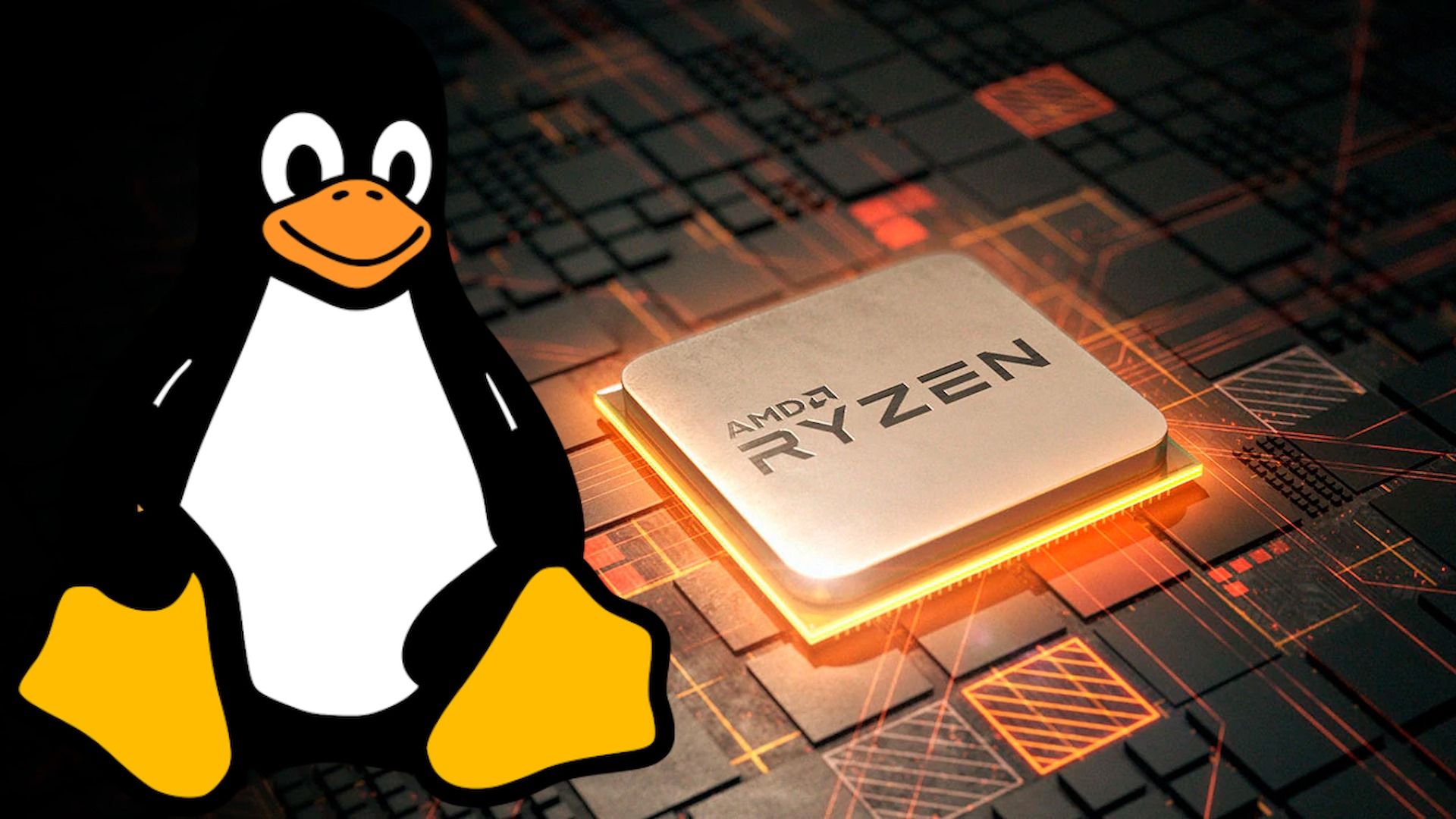
Tom's Hardware reports that Intel CEO Lip-Bu Tan has spoken with AMD chief Lisa Su about potential areas of cooperation, as Intel works to rebuild its CPU business and expand its foundry operations. Neither executive has publicly detailed the discussions or confirmed a new agreement. The report matters less for what it announces than for what it acknowledges: the two principal x86 rivals are exploring cooperation while competing for the same sockets.

The groundwork already exists. The companies have collaborated on x86 standards and CPU software, including AMD's integration of its ZenDNN optimizations into Intel's oneDNN library. That integration is a small technical detail with large strategic meaning. AMD wrote optimizations for its own processors into a library Intel maintains, because both companies benefit when software runs well on x86 hardware generally. The competitive boundary sits at the chip, while the cooperative boundary sits at the instruction set and the software stack above it.

For US technology companies, this is the x86 ecosystem defending its position as the default architecture for data center and PC software. Cooperation on standards raises the cost of switching to rival architectures and keeps the software investment of American developers concentrated on x86. For US consumers, the practical effect is that software optimizations arrive across more machines regardless of which vendor's chip is inside. The risk is that collaboration on standards dulls price competition at the low end, though nothing in the reporting suggests a formal agreement has been reached.

Apple Upgrades the Budget Tier

The Verge reports that Apple announced a new iPad Mini with an 8.5-inch OLED display, revealed just days before its "Pro and tell" event on Wednesday. It starts at $699 for the Wi-Fi-only model and features an upgraded A20 Pro chip, which enables support for some features the report did not fully detail. The headline is the display, but the semiconductor story is the decision to put a Pro-class chip into a small tablet.

Apple's silicon roadmap is the clearest example of a US company using chip performance as a product differentiator. Each generation of in-house silicon lets Apple add capability at a given price point, which is how a $699 device gets a chip powerful enough to support features that previously belonged to higher tiers. Apple designs the chip, controls the software, and sets the release cadence, so the upgrade cycle is a commercial decision rather than a response to a merchant silicon vendor's schedule.

That matters for the US market because Apple's scale sets expectations for what a mid-priced tablet should do. Competitors buying chips from merchant suppliers have to match features that Apple can enable through vertical integration. For US consumers, the near-term effect is more capability per dollar in the small-tablet category, with the caveat that the reported starting price is for the Wi-Fi-only model and cellular configurations typically cost more.
Design Tools Become the Chokepoint

Tom's Hardware reports that Cadence unveiled Maestro, domain-specialized AI models for its chip design agents, with early access for select customers in Q4 2026. This is the quietest of the three stories and arguably the most consequential. Chip design is where AI assistance can compress engineering time, and Cadence is positioning specialized models, not general-purpose ones, at the center of that workflow.

The word "select" carries weight. Early access for a limited customer set means the largest and most sophisticated design houses get first use of AI-assisted design agents, while smaller firms wait. Cadence's tools are already a chokepoint in the design process, and adding specialized AI models to them deepens the dependence of chip designers on a small number of US tool vendors. For US technology companies, that reinforces an advantage in design productivity. For the broader market, it concentrates leverage in the hands of the toolmaker.

One Pattern, Three Speeds

The common thread is that competition is migrating away from the physical part. Intel and AMD compete on CPUs but cooperate on the software layer that makes x86 useful. Apple competes on devices but differentiates through chips it designs itself. Cadence competes by supplying AI models that other companies' designers will depend on. In each case, the durable advantage sits in a standard, a software stack, or a design workflow rather than in a single generation of silicon.

For US chipmakers, that is a defensive strength. American firms hold positions in the x86 standard, in Apple's in-house design capability, and in the design-tool duopoly that Cadence anchors. Those positions are harder to displace than a product cycle. The tradeoff is that cooperation among rivals and concentration among suppliers can invite scrutiny, and the reporting gives no indication of how regulators or customers will respond.

What US Buyers Should Expect

The near-term effects are incremental. A broader x86 software base means optimizations reach more machines. A faster chip in Apple's smallest tablet means more capability at the $699 starting price. AI-assisted design could shorten the interval between chip generations, though Cadence's Q4 2026 early access is limited to select customers and no timeline for general availability is given.

What to Watch

Watch whether Intel and AMD move beyond reported discussions to a confirmed agreement, and whether any cooperation extends past standards and software into manufacturing or products. Watch the "Pro and tell" event on Wednesday for detail on what the A20 Pro enables and how Apple positions the new iPad Mini against its larger tablets. And watch Cadence's Q4 2026 early access: which customers are selected, and whether Maestro's specialized models produce design-time gains that other toolmakers have to answer. None of these outcomes is settled, but the direction is consistent. The chip industry's next round of advantage will be won in standards, software and design tooling as much as in silicon.

More on this beat: Hardware on TechManNews.

#semiconductors#Intel#AMD#Apple silicon#chip design#x86

Newsletter

Get Tech News in Your Inbox

The latest AI, gadgets, software and startup stories from TechManNews, delivered every morning - free.