Apple's Mac Lineup Is Transitioning in Three Directions at Once
Article

Apple's Mac Lineup Is Transitioning in Three Directions at Once

The recent MacBook Pro, iMac and M6 MacBook Pro stories show Apple managing a transition rather than shipping a clean generational leap.

NagiNovember 7, 20264 min read

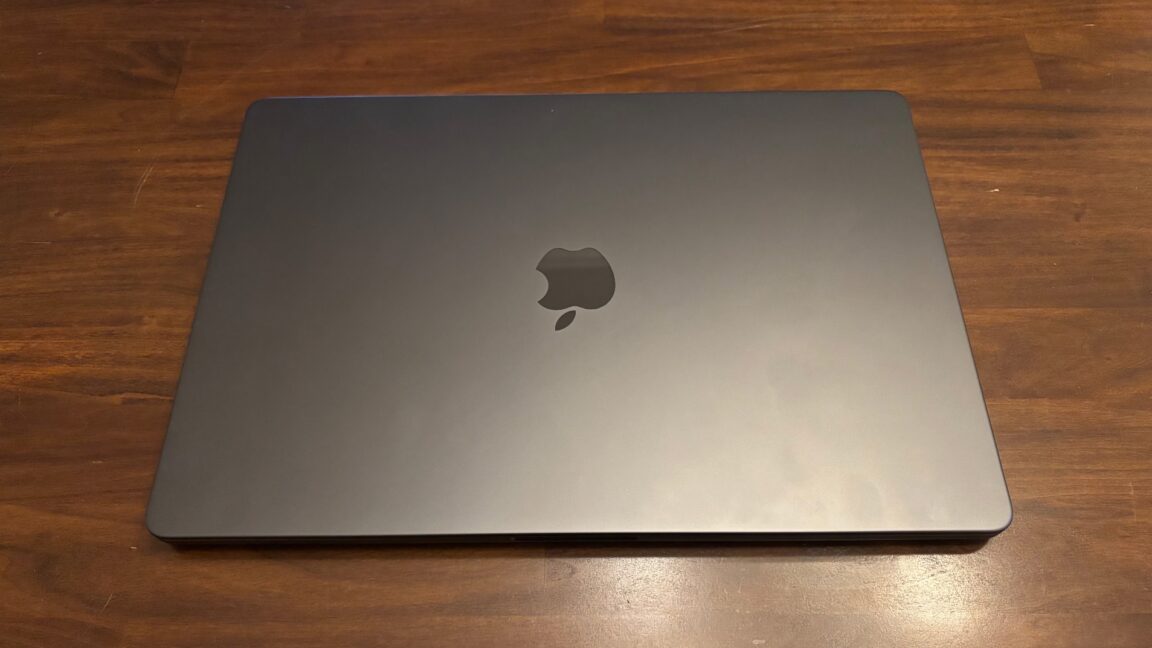
Photo: Ars Technica

Apple's Mac lineup is not moving through a single generational refresh right now; it is being managed through several overlapping transitions at once. The newest MacBook Pro sets a display benchmark while carrying a warning about timing, the iMac arrives as a capable desktop that arguably needs a redesign, and the M6 MacBook Pro is framed as a machine likely to be the last of its kind. Read together, these accounts describe a company asking US buyers to weigh refinement against imminent change.

A Good Laptop at an Awkward Moment

Ars Technica's assessment of the new MacBook Pro is, on its face, a strong one: it has the best laptop screen that outlet has used. That is not a small claim in a category where display quality has become a primary differentiator, and it suggests Apple is still willing to spend on the parts of a laptop people look at most. The same review, however, carries the qualification that there may be reasons to wait. That single caveat is the hinge on which the rest of the story turns. A product can be excellent and still be the wrong purchase at a given moment, and Ars Technica's framing says exactly that. For US consumers weighing a purchase now, the practical question is no longer whether the hardware is good but whether it is the right version of the hardware to buy.

The iMac's Design Question

The Verge's take on the new iMac is more ambivalent. It calls the machine a good desktop computer, then says it needs a redesign. The detail that gives that judgment its weight is the reviewer's own working habit: normally using a MacBook Neo around the house, with monitors, mice and keyboards available to plug in, yet rarely sitting at the office desk or bothering to connect any of it. That is a description of how a lot of US households actually compute, and it undercuts the traditional case for a desktop. An all-in-one has to justify itself against a laptop that already goes everywhere and can be docked when needed. The iMac, on this account, remains capable but is being asked to compete on design and identity rather than pure utility.

The Last of Its Kind

The Verge's second piece sharpens the transition. It notes that on November 6th Apple will release an all-new MacBook Pro that is thinner and lighter and has a beautiful OLED touchscreen, and that this is very likely what every new MacBook Pro will look like in a couple of years. The M6 MacBook Pro, also out on the 6th, is explicitly not that laptop. Instead, per that account, it is something else, positioned as likely the last of its kind. This is the clearest statement of the pattern: two machines arriving on the same date, one pointing at the future and one closing out the present. The M6 model is not described as a failure or a stopgap to avoid; it is described as the final expression of a design lineage that Apple has already shown the successor to.

Why Apple Ships Overlapping Generations

Nothing in these accounts suggests incompetence. Overlapping transitions are how a hardware company with a long supply chain and a large installed base moves without stranding customers. The new MacBook Pro's screen shows the current platform still receiving meaningful investment. The iMac's design critique shows a product that works but has not been rethought. The M6 MacBook Pro's framing as the last of its kind shows that Apple has already committed publicly visible direction, with a thinner OLED touchscreen model arriving on the same day. For US technology companies watching Apple, the lesson is about cadence: announce the destination, keep selling the present, and let buyers self-select. For US consumers, the cost is decision fatigue. The person who wants a laptop today must judge not just the machine in front of them but how close it sits to the end of its design line.

What This Means for US Buyers and the US Market

The practical consequence is a market where timing matters as much as specification. Ars Technica's caveat that there may be reasons to wait is the most useful consumer signal in this set, because it acknowledges that the best screen available does not automatically make a purchase urgent. The Verge's iMac review raises a parallel question for the desktop: whether a good all-in-one is enough when household habits have drifted toward laptops that can be docked. And the M6 MacBook Pro story tells buyers that a same-day alternative exists and that the current design is likely near its end. US buyers are therefore being asked to choose between a polished endpoint and a visible next step, with both available at once. That is unusual in a category that usually sells one clear upgrade path per cycle.

What to Watch

The dates in these accounts give the near-term calendar. November 6th is when the all-new MacBook Pro with the thinner, lighter OLED touchscreen arrives, and it is also when the M6 MacBook Pro ships. Watching how those two are positioned relative to each other will say a lot about how Apple intends to manage the handoff, and whether the M6 machine is treated as a value option, a legacy holdover, or something in between. The next signals to watch are whether the current MacBook Pro's display advantage carries forward into the new design, and whether the iMac receives the redesign The Verge argues it needs. Until then, the honest reading of these three stories is that Apple's laptop and desktop lines are in motion, and the strongest buying advice in the material is the least dramatic: the hardware is good, but the timing deserves a second look.

More on this beat: Gadgets on TechManNews.

#Apple#MacBook Pro#iMac#laptops#desktop PCs#product transitions

Newsletter

Get Tech News in Your Inbox

The latest AI, gadgets, software and startup stories from TechManNews, delivered every morning - free.