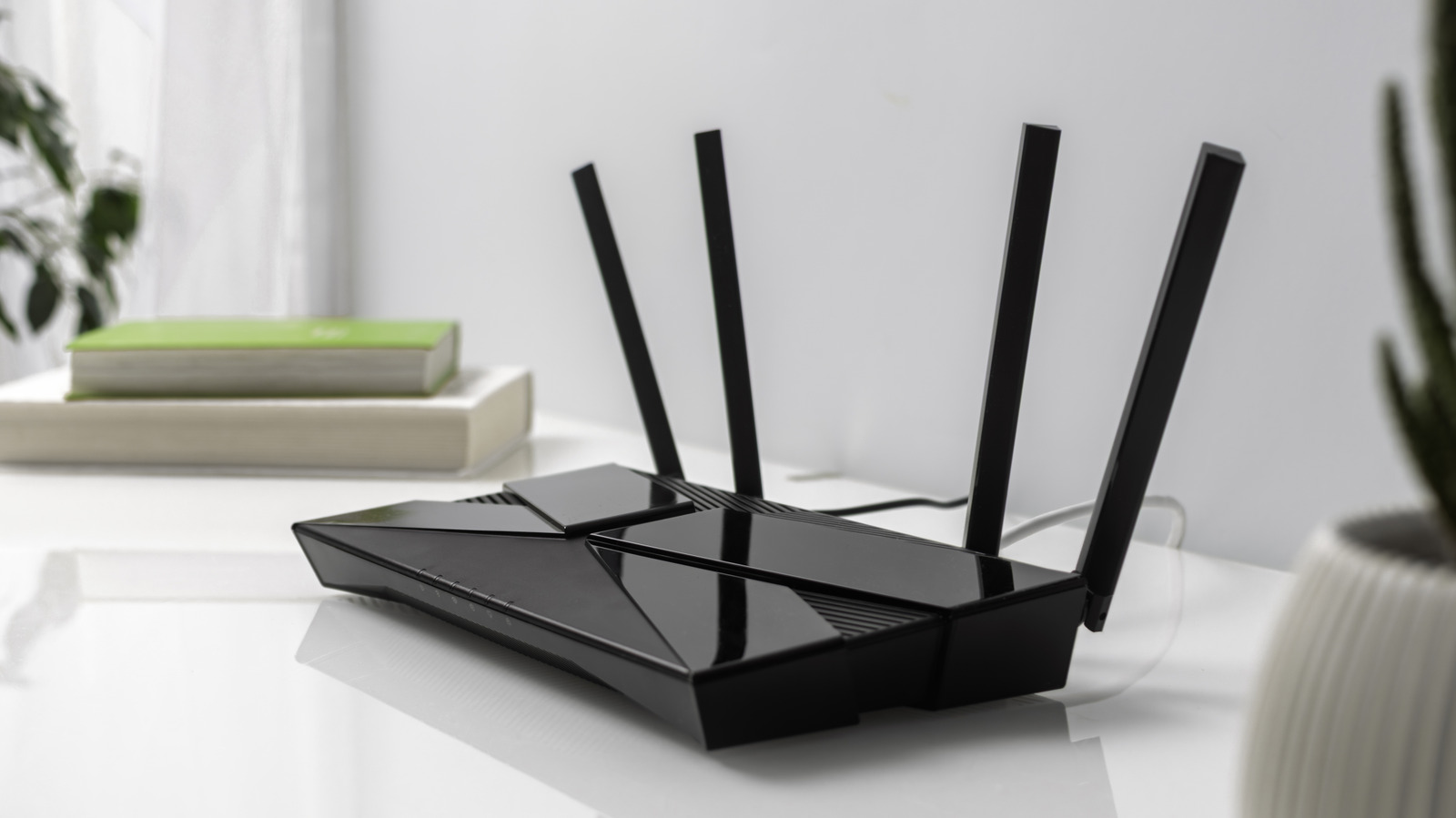
Wi-Fi 7 routers are now on the market with major theoretical speed gains, but real-world adoption and feature support remain inconsistent, according to a new breakdown of the standard. The latest networking technology can theoretically reach 46 Gbps, up to five times faster than Wi-Fi 6E, but actual performance depends heavily on a user's internet plan and the number of high-demand devices connected. For U.S. households with many connected gadgets, tri-band Wi-Fi 7 models can justify their higher cost compared to older routers.
Multi-Link Operation is a key advantage of Wi-Fi 7, allowing routers to send and receive data across the 2.4 GHz, 5 GHz, and 6 GHz bands at the same time. Supported routers also double the channel width from 320 MHz over the 80 MHz and 160 MHz used in Wi-Fi 6E, which improves data rates for streaming and downloading 4K or 8K content. However, testing by RTINGS found that implementation of these features is inconsistent across devices, and not every Wi-Fi 7 router includes them. Cheaper dual-band options, such as the TP-Link Archer BE230, may lack support for the 6 GHz band and 320 MHz channels, while some routers drop true simultaneous MLO support entirely.
Wi-Fi 7 is backwards compatible, so older devices like an old printer will connect to new routers without issues, though they cannot take advantage of the new features. For consumers upgrading from Wi-Fi 5, the source suggests Wi-Fi 6 or Wi-Fi 6E as worthwhile alternatives, with the latter adding the 6 GHz band and high-bandwidth channels for a meaningful step up. In a typical home, Wi-Fi 6E routers still perform reliably and handle multiple devices without drastic speed drops.
Adoption of Wi-Fi 7 has been slow, and the source notes that Apple's iPhone 17 lineup supports the standard but lacks 320 MHz channel support, meaning it performs identically in theory whether connected to a Wi-Fi 6 or Wi-Fi 7 router. Sony's PlayStation 5 Pro also supports Wi-Fi 7, but users on Reddit have not reported significant download speed improvements. The source recommends timing a Wi-Fi 7 router purchase with devices that actually support its features, such as the new iPad Pro tablets and Surface Laptop 8th Edition.
Pricing for Wi-Fi 7 has come down, with the TP-Link Archer BE550 often available for under $200, making it a reasonable option for those who want the latest hardware. The source frames Wi-Fi 7 as a natural choice for upgrading home internet when paired with compatible devices, especially for heavy multi-device use. Wi-Fi 8 is expected in 2028, and the source notes that future router prices could rise as the AI boom drives up costs, though no specific figures are given.
More gadget news from TechManNews.