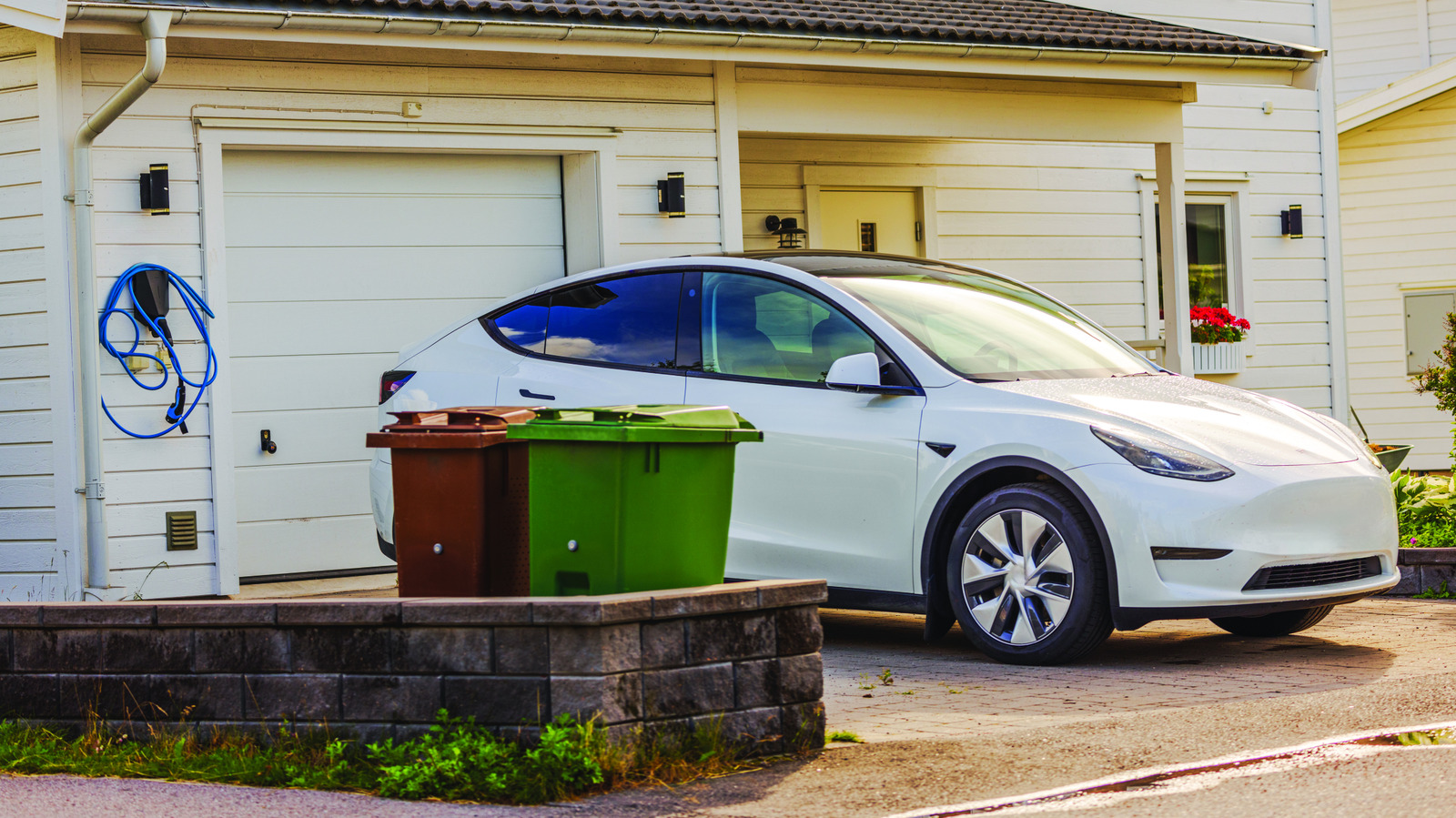
Owners of electric vehicles from Tesla and Rivian may notice their parked cars losing charge even when they are not being driven, and the causes range from routine electronics to cold weather and optional surveillance features.
Lithium-ion cells shed charge on their own through a natural process called self-discharge, involving electrolyte oxidation and reduction. That effect is minor next to the energy consumed during driving. A larger share of the loss comes from systems that keep running after the doors are locked, which usually goes unnoticed over a weekend but becomes more apparent when an EV is left unplugged for a couple of weeks.
A locked vehicle does not shut down every electrical system. The battery management system checks battery conditions at intervals, and the high-voltage pack is sometimes used to top up the smaller low-voltage batteries that run locks, computers and other electronics. Tesla says the Model 3 performs these system checks and any needed battery maintenance while parked, and Rivian confirms the R1T draws on its high-voltage battery to maintain its 12V battery.
Connected services add to the load. Tesla cites app requests, climate functions and infotainment as sources of power use while parked. Third-party apps that repeatedly wake a sleeping vehicle can increase the drain, and cabin cooling left on in hot weather draws power as well. Tesla's Sentry Mode, which uses cameras and sensors to watch for suspicious activity, and Rivian's Gear Guard Motion Cam, which captures activity around a parked vehicle, are useful in unfamiliar lots but require electricity. Slate's barebones electric pickup may have an edge with fewer connected features to keep running, though its actual parked drain has not been tested.
Cold weather complicates the picture because the range estimate can fall as battery temperature changes even when the vehicle has not used an equivalent amount of electricity. Model 3 owners can check the Energy app's Park tab for how much energy the car consumed while parked, which is more informative than the moving range estimate.
Tesla's Model 3 manual states the battery can lose roughly 1 percent per day depending on settings and conditions. Recurrent reports that sleeping Teslas can lose just 0.1 to 0.3 percent a day, while cars running energy-intensive features can lose several percent daily. The figures reflect different conditions and neither is a guarantee. Battery size also matters: a 0.5kWh loss is about 1.2 percent of a 42kWh battery and 0.6 percent of an 80kWh battery, making the same drain more noticeable in smaller city EVs.
For long absences, owners can turn off unneeded surveillance and climate controls, limit apps that repeatedly wake the vehicle and ensure enough charge remains for the return trip. Tesla recommends keeping the Model 3 plugged in when not in use, particularly for several weeks, and maintaining around 50 percent charge during long-term storage.
More hardware news from TechManNews.