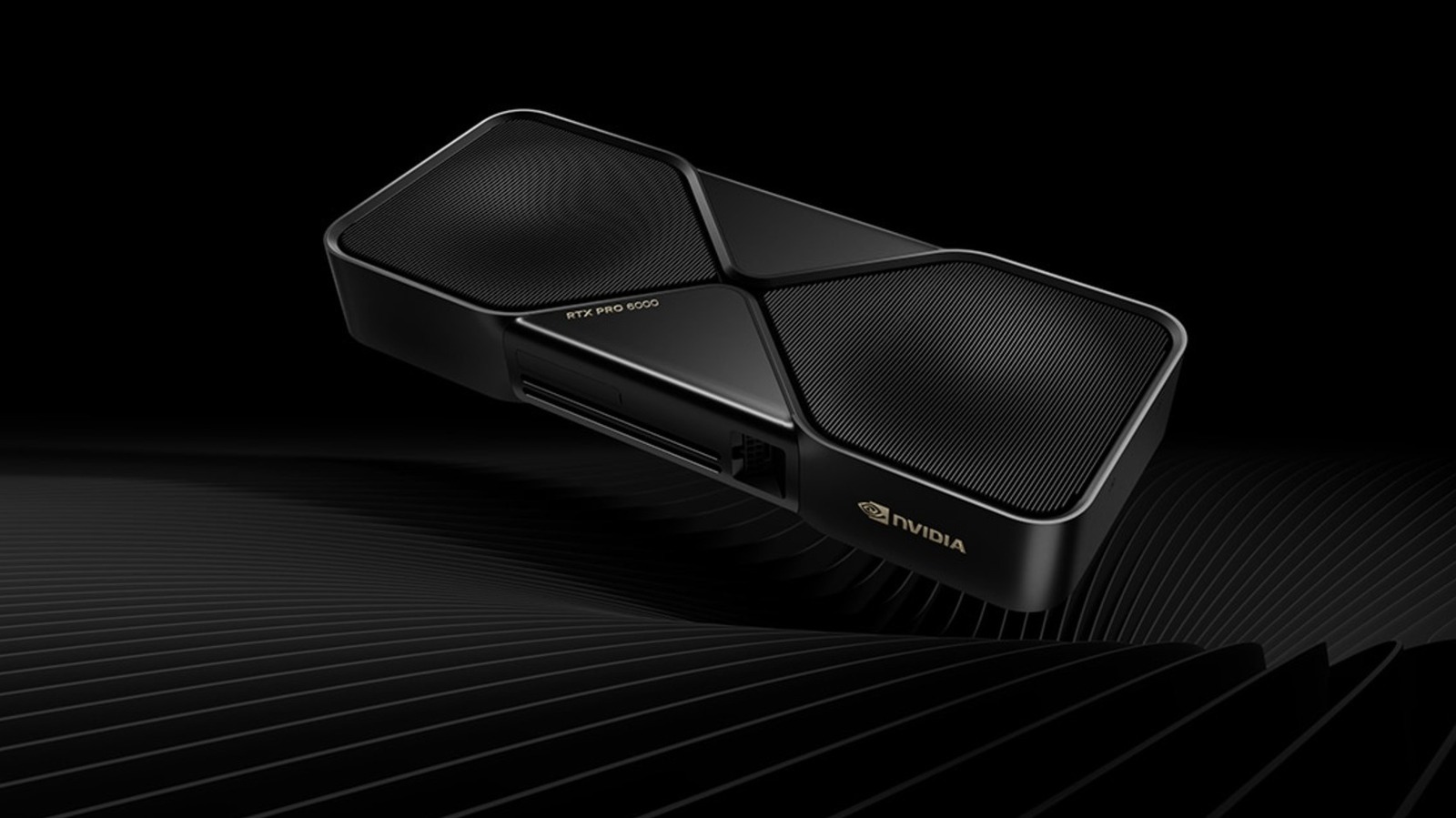
NVIDIA's RTX PRO 6000 Blackwell Workstation Edition, the card the company calls the most powerful desktop GPU ever created, is priced at $16,000 in the United States. That figure is nearly double the $8,565 the card cost at launch before it climbed to $13,250. The price puts it well beyond the reach of the gamers who might otherwise be drawn to its performance.
NVIDIA has not explained the increase, which arrives during a period of sharply rising memory costs and broader GPU price hikes. What the company has made clear is who the card is for: AI developers, engineers, 3D artists and other professionals whose workloads exceed what a gaming PC needs. The RTX PRO 6000 carries 96GB of GDDR7 ECC memory, compared with 32GB of GDDR7 on the GeForce RTX 5090, along with 24,064 CUDA cores and a maximum board power of 600W.
The memory gap is the core of the pitch. NVIDIA aims that 96GB pool at large 3D and AI projects, bigger datasets, VR environments and multi-app workflows. Error detection and correction matter more during long professional jobs and heavy number crunching than they do during gaming. The card also runs on NVIDIA's workstation driver ecosystem, which includes enterprise support and certifications for professional applications, rather than the Game Ready drivers built around gaming.
This split is long-established at NVIDIA, which sold professional graphics hardware under the Quadro brand for more than 20 years before moving to RTX professional branding. AMD's Radeon PRO line serves similar workstation buyers, though the 96GB RTX PRO 6000 sits at the extreme end of that market.
Gaming performance does improve in some cases. Testing by Tech YouTuber der8auer found the RTX PRO 6000 could beat the RTX 5090 in certain titles even on NVIDIA's workstation driver, running about 14 percent faster in Cyberpunk 2077, about 11 percent faster in Star Wars Outlaws and Remnant 2, and roughly three percent faster in Assassin's Creed Mirage. At $16,000, the card costs about eight times the RTX 5090's original $1,999 price.
The card is not restricted to select buyers. NVIDIA directs customers to its Marketplace and workstation partners, so a dedicated enthusiast can purchase one. The harder question is why a gamer would spend thousands of dollars on extra memory, professional drivers and workstation features that games do not use.
More hardware news from TechManNews.