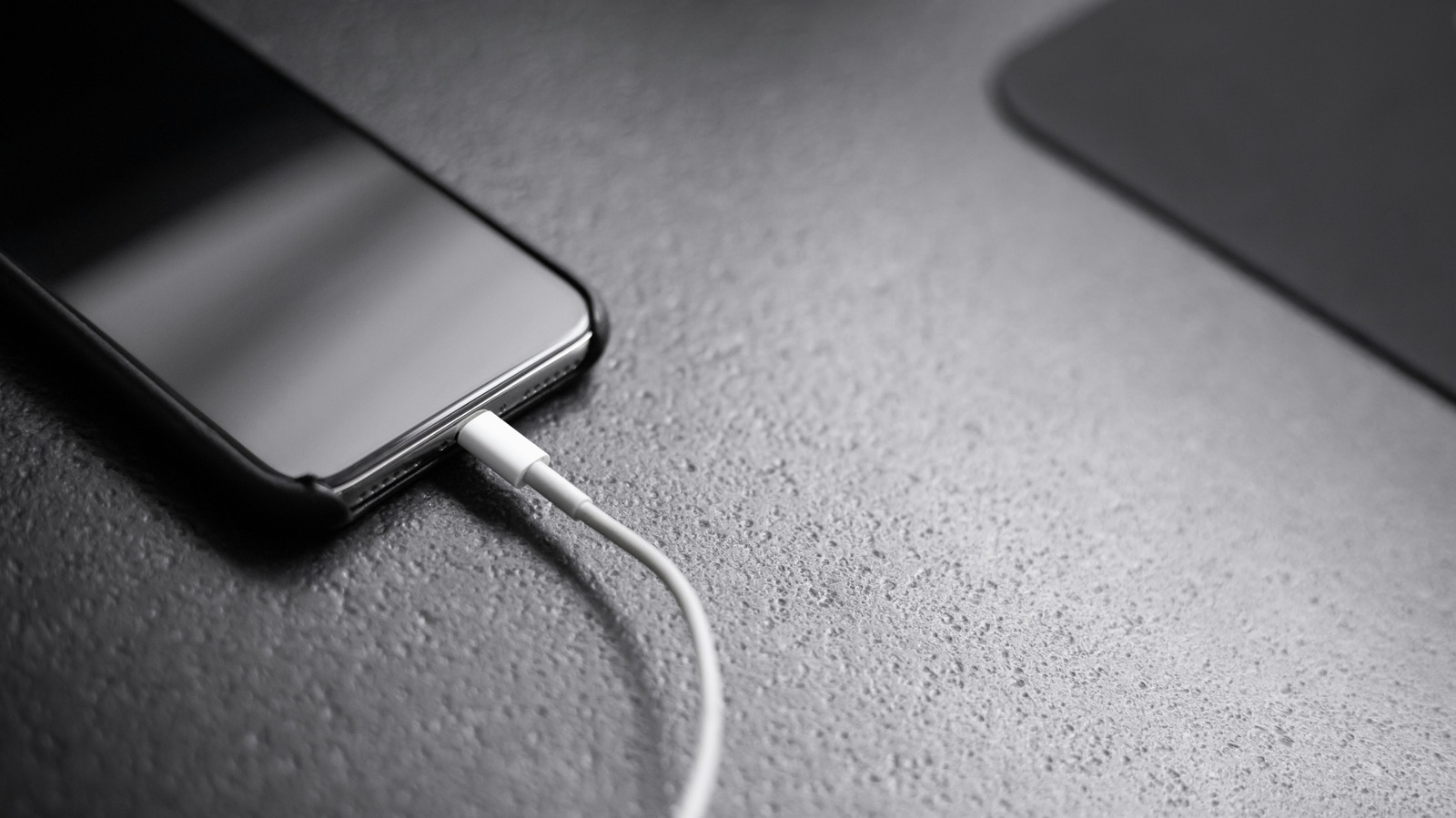
Fast charging has become a broad marketing term that covers a wide range of technologies, from USB Power Delivery to proprietary systems like SuperVOOC, and the variety of names can be confusing for consumers. The good news, according to Engadget, is that the situation is less complicated than it appears. Years ago, USB charging delivered only a slow trickle of power, but as mobile devices grew more demanding, companies like Qualcomm, Oppo, and Xiaomi developed their own proprietary fast-charging systems. It is important to note that a USB-C port alone does not guarantee fast charging, as many devices with that port still cap out at slower speeds.
USB Power Delivery, or USB PD, is the closest thing the industry has to a universal standard today, and it is widely used across phones, tablets, laptops, and some gaming handhelds. Newer versions of the spec push the standard forward, with USB PD 3.1 raising the maximum supported power to 240 watts, while USB PD 3.2 is the latest revision, though those higher power levels target demanding devices like laptops and monitors. Phones do not need anywhere near those maximum limits, and thermal constraints would make such high power impractical for a handset. The iPhone 17 series supports USB PD, while Samsung and Google phones use fast-charging systems built around USB PD and its PPS feature.
PPS, or Programmable Power Supply, is a more advanced USB PD feature that lets a device request smaller, more precise voltage and current changes as it charges, improving efficiency and heat management. Samsung’s Galaxy S26 Ultra uses PPS as part of its 60-watt "Super Fast Charging 3.0" system, and Google’s Pixel 11 models use USB-C PPS charging to reach their fastest advertised speeds, with the Pixel 11 Pro designed for a 45-watt PPS charger. For Android flagship users looking for a versatile charger, USB PD with PPS is the recommended option.
Qualcomm’s Quick Charge was one of the first fast-charging systems for Android phones, but USB PD has become the more broadly adopted standard across the mobile industry, to the point where even newer versions of Quick Charge support it. A Qualcomm chip does not guarantee that a device uses Quick Charge, since phone makers can choose other systems. Meanwhile, some Android makers like OnePlus and Oppo use technologies based on SuperVOOC, and Xiaomi uses HyperCharge on some models, but reaching the highest advertised speeds usually requires a compatible proprietary charger and often the right cable. Many of these phones also support USB-C PD charging, though not at the same speeds as their proprietary systems.
Manufacturer claims about charging speeds should be taken with caution, as phones marketed for 80-watt or 100-watt charging do not continuously draw that power. Instead, they charge fastest when the battery is low and then taper the rate as it fills. While fast charging can generate heat, which degrades lithium-ion batteries over time, today’s phones are designed to manage temperature and reduce power as needed, so consumers should not worry too much about long-term battery health. That said, a slower charge that keeps temperatures in check can be easier on the battery if there is no hurry.
Temperature management and charging habits matter more for battery longevity than the specific protocol used, so users should avoid leaving devices at full charge for long periods or charging an already hot phone in direct sunlight. Some phones, like the Galaxy S26 family, offer a setting to pause charging while gaming and power the device directly from the wall. Built-in battery-protection features are also helpful, such as Apple’s Optimized Battery Charging, which delays charging past 80 percent based on habits, and similar features on Samsung and Google Pixel phones.
For consumers in the US market who want one charger for multiple devices, the best bet is a USB-C charger that supports Power Delivery with PPS and has enough wattage for the most power-hungry device they own. Such a charger will be compatible with many modern phones, tablets, and laptops, though it may not unlock the maximum proprietary charging speed on every OnePlus, Oppo, or Xiaomi phone. Despite all the confusing names, the buying advice remains straightforward.
More gadget news from TechManNews.