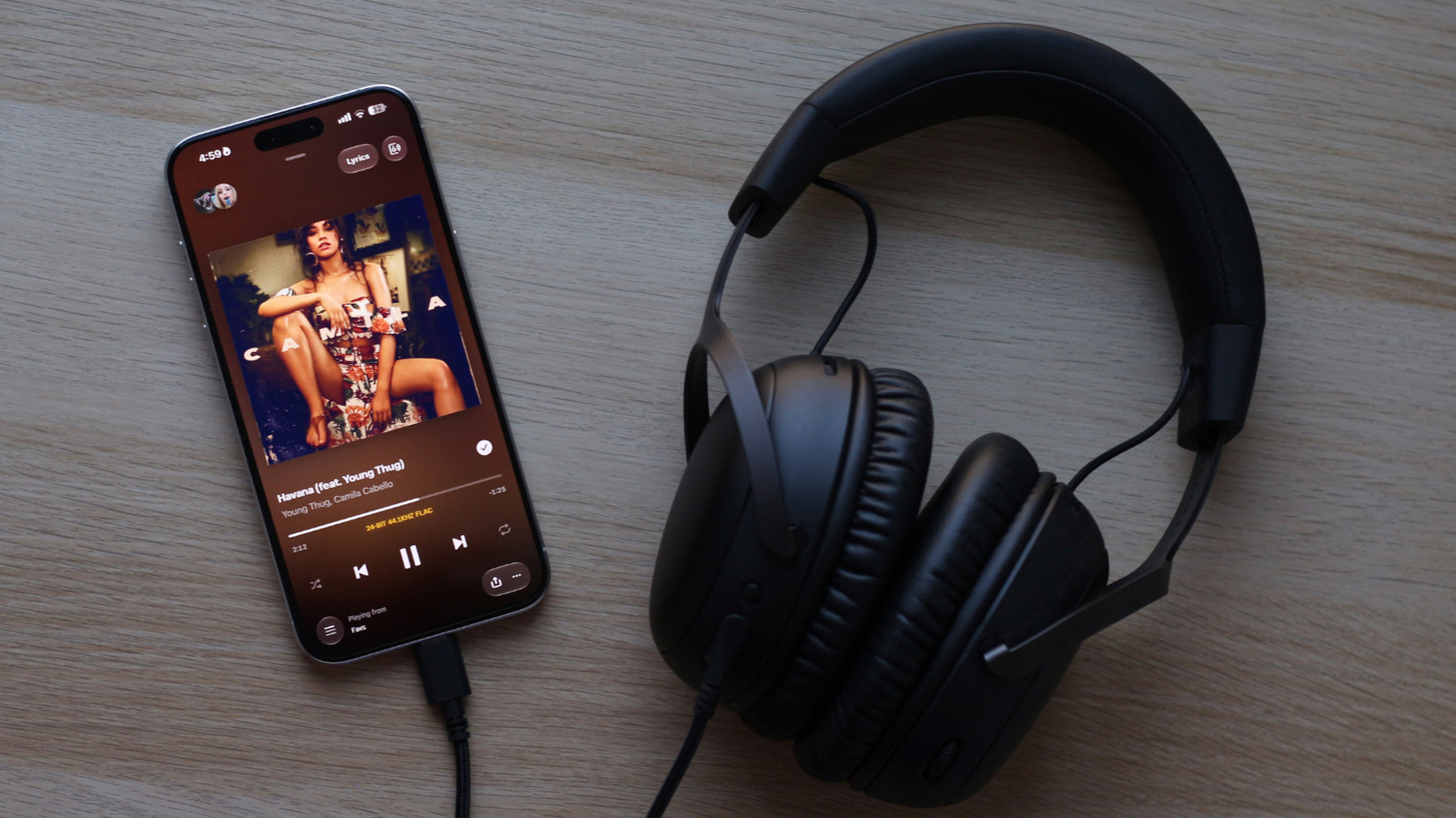
Dolby Atmos and lossless audio are two distinct premium listening features found on popular streaming platforms like Apple Music and Tidal, and they improve music in fundamentally different ways. Dolby Atmos is an object-based audio system that uses vertical and horizontal positioning to create a three-dimensional soundstage, allowing individual sounds to be placed anywhere in 3D space. Traditional stereo only positions sound between left and right channels. Lossless audio, by contrast, focuses on preserving the original quality of a recording, delivering bit-perfect playback using codecs like FLAC or ALAC that retain all audio data, unlike lossy formats such as MP3 and AAC.
The two technologies operate independently, but streaming platforms rarely offer both simultaneously. Dolby Atmos tracks typically use the Dolby Digital Plus codec, which is lossy, while lossless audio relies on codecs that preserve every detail. Although it is technically possible to deliver lossless Dolby Atmos via Dolby TrueHD, that format is mostly found on physical media like Blu-ray discs.
For lossless audio to deliver its full benefit, the setup matters. A streaming service must offer bit-perfect playback, and the playback hardware must handle the extra detail. While Apple Music and Tidal do stream lossless audio over Bluetooth, the signal is encoded in lossy codecs like SBC and AAC before reaching headphones, so a wired connection is required for true lossless playback. Exceptions include Qualcomm's aptX lossless codec, which supports bit-perfect Bluetooth transmission, but it requires an Android phone and compatible wireless headphones.
Sound quality settings on Apple Music and Tidal show figures like 16-bit/44.1kHz or 24-bit/192kHz. The sample rate indicates how many times per second the audio signal is measured, and the bit depth determines the precision of those measurements. CD quality lossless audio is 16-bit/44.1kHz, while Hi-Res Lossless goes beyond that, such as 24-bit/96kHz or 24-bit/192kHz. A digital-to-analog converter, or DAC, is needed to convert this digital information into sound, and while built-in DACs on phones or laptops handle CD-quality audio, an external DAC may be necessary for hi-res content.
The source article argues that Dolby Atmos offers a more noticeable upgrade for everyday listening than lossless audio. Apple Music, Tidal and Amazon Music Unlimited are among the major streaming services with Dolby Atmos catalogs. Modern Apple products support Atmos out of the box, but Android users must check their device specifications. Special headphones are not required, though models with good instrument separation or a wider soundstage can enhance the effect.
Apple Music handles its Dolby Atmos catalog more elegantly, labeling available tracks and automatically playing the Atmos version on compatible hardware. Tidal lists Atmos versions separately from stereo tracks, which makes browsing slightly messier but gives users a clearer choice. Not all Atmos mixes improve a song, but well-mixed tracks are immediately apparent, with examples cited including The Weeknd, Daft Punk, Billie Eilish, and Lady Gaga's "Poker Face," which sounds like a completely different track in Atmos.
More software news from TechManNews.