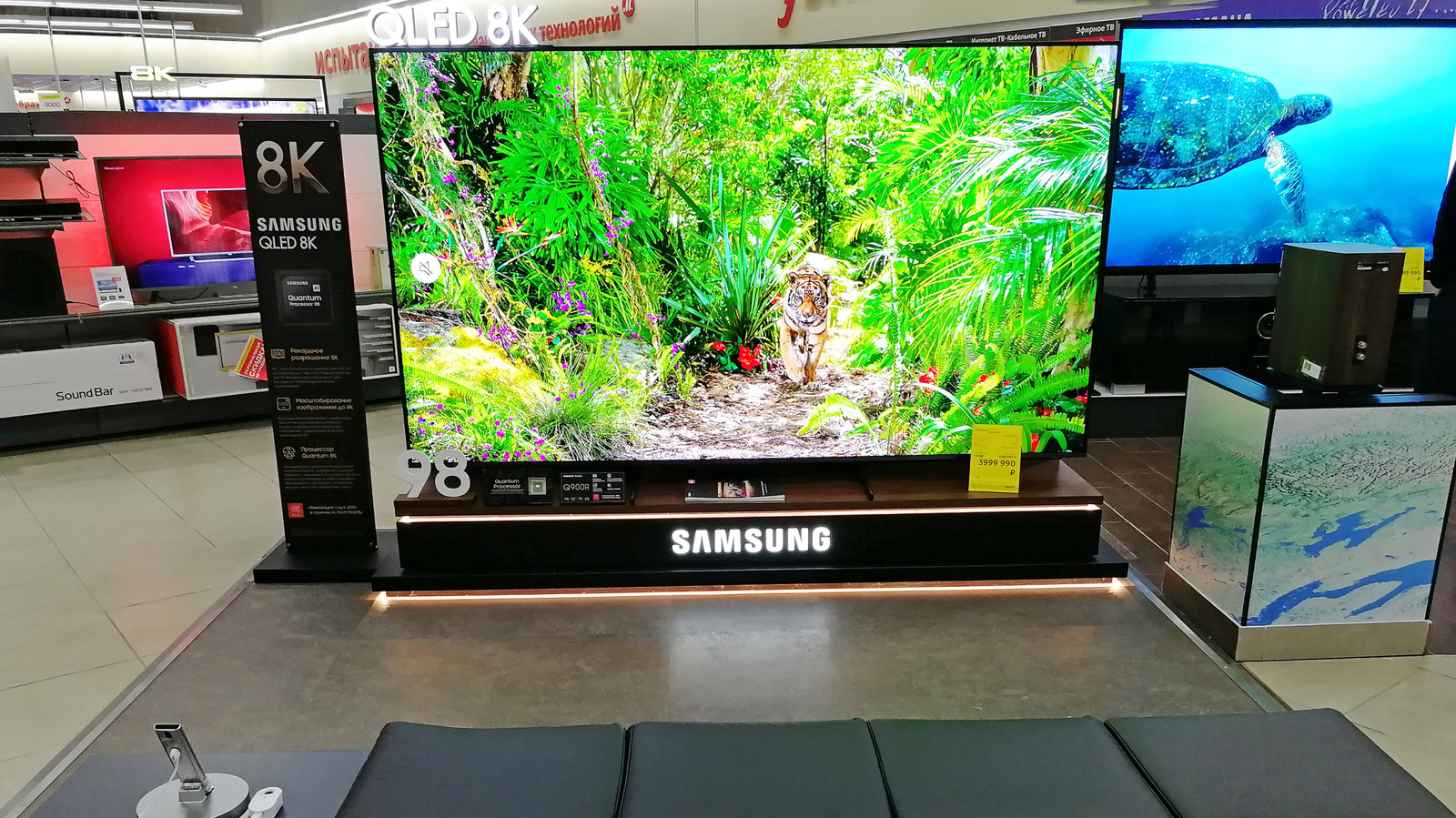
The 8K television market has largely collapsed, leaving Samsung as the only major manufacturer still selling the sets in the US and elsewhere. LG exited the 8K business this year after LG Display stopped producing 8K LCD and OLED panels, a separate entity from LG Electronics, which sold the televisions. Sony discontinued its remaining 8K TVs in 2025, and TCL had already stepped back, citing low demand. Samsung's 2026 lineup includes a single 8K model, the QN990H.
Sales data underscores how little traction the format found. Research firm Omdia reported in September 2024 that nearly a billion 4K TVs were in use worldwide, compared with cumulative 8K sales of just 1.6 million units since 2015. Omdia also found that 8K sales peaked in 2022. The figures measure different things, but the adoption gap they illustrate is enormous.
8K broadcasting exists but remains minimal. Japan's NHK runs BS8K, a dedicated channel focused on arts, culture and nature programming. China Media Group operates CCTV-8K, and Spain's RTVE also offers 8K content. Even combined, the three services reach too few viewers to drive demand for the hardware.
The technical demands of the format have also limited its appeal. Four times the pixels of 4K means more image data to process, store and transmit, and many home internet connections could not handle 8K streams even if more were available. 8K gaming requires extreme hardware that almost nobody owns or can afford. Without a steady supply of content that shows off the improved picture, consumers never had a reason to buy in.
A 2025 University of Cambridge study examined the limits of what viewers can actually perceive. The research found that the benefits of extra resolution depend on field of view, determining that a 44-inch 4K or 8K set viewed from 2.5 meters away delivers nothing better than a QHD screen of similar size. The finding points to diminishing returns: the jump from standard definition to 1080p was far larger than the move from 4K to 8K, and contrast, color performance, HDR and brightness offer incremental gains at a much higher cost than a solid 4K set.
For most shoppers, a 4K TV remains the practical choice. An enthusiast with a large living room and enough space to place a 65-inch or larger 8K set at an appropriate distance might see some benefit from native 8K material. But even among dedicated tech consumers, interest in the category has not materialized.
More gadget news from TechManNews.