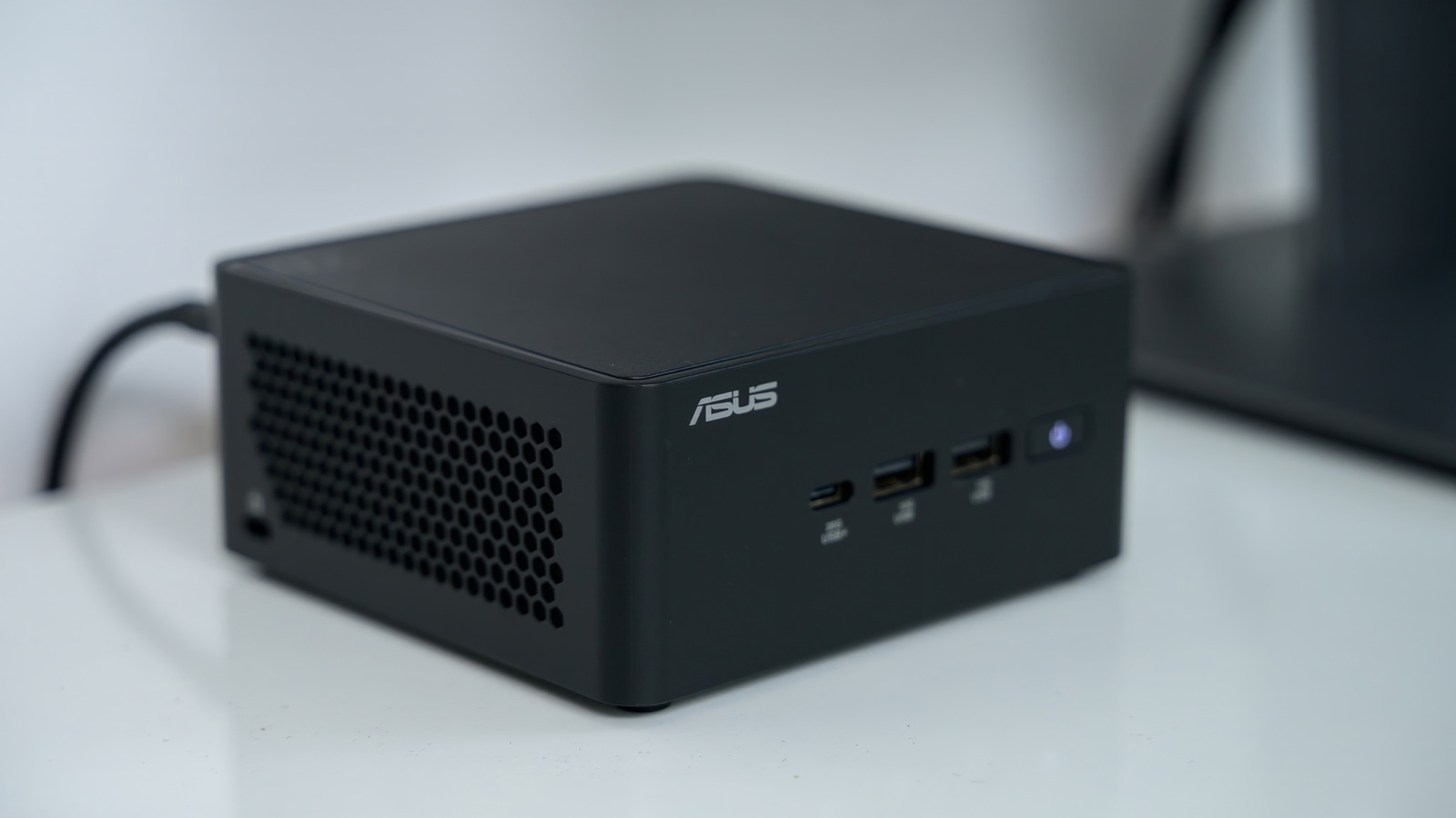
Mini PCs have grown in popularity as a compact alternative to traditional desktops and laptops, with brands like Geekom, Beelink and Minisforum now offering models that fit in the hand and sometimes rival larger machines in performance. But the small footprint that makes these devices appealing also creates real trade-offs for consumers in the US market. The main drawbacks come down to limited cooling, restricted upgrade options and a general lack of repairability, which can shorten the useful life of the hardware.
Upgradability is often the first hurdle. Many mini PCs allow owners to swap out the SSD or RAM, typically using the same SO-DIMM memory and M.2 drives found in laptops, but this is not always the case. Some models feature soldered memory and storage, making future upgrades impossible. Even when components are replaceable, the cramped interior leaves little room for extra slots, and external I/O such as USB ports may also be more limited than on a desktop.
Cooling presents an even bigger challenge. Because there is less space inside a mini PC case for fans to circulate air, sustained performance under heavy load suffers compared to a desktop with more fans or liquid cooling. Powerful mini PCs exist, such as those using the AMD Ryzen AI Max+ 395 processor, which can approach the CPU performance of desktop chips like the AMD Ryzen 9 9950X, but these machines run hot and noisy under sustained loads. Traditional liquid cooling is not a practical option in such a small form factor, and the physical limitations remain regardless of the processor inside.
Repairability is another issue. Desktop PCs allow owners to swap out a failed power supply or damaged components, but mini PCs are not designed for that level of maintenance. If the CPU or motherboard fails, the owner typically cannot source a replacement part and must rely on warranty service or simply purchase a new unit.
The price of mini PCs spans a wide range, from the Beelink SER5 at $389 to the Asus ROG NUC 16 at up to $4,999, yet both fit the same general category. Even at the high end, a traditional desktop PC built for the same money will generally offer better performance and more room for upgrades. That gap is becoming more significant as rising costs for RAM and SSDs, driven by AI demand, push prices upward across the hardware market.
For budget buyers, mini PCs under about $600 still exist as cheap options for office work and browsing, but performance will be the main limitation. A second-hand desktop at the same price may not last as long but could still be faster, while budget laptops and PCs with similar specs are also available. The value of any mini PC depends on accepting these compromises before making a purchase.
More hardware news from TechManNews.