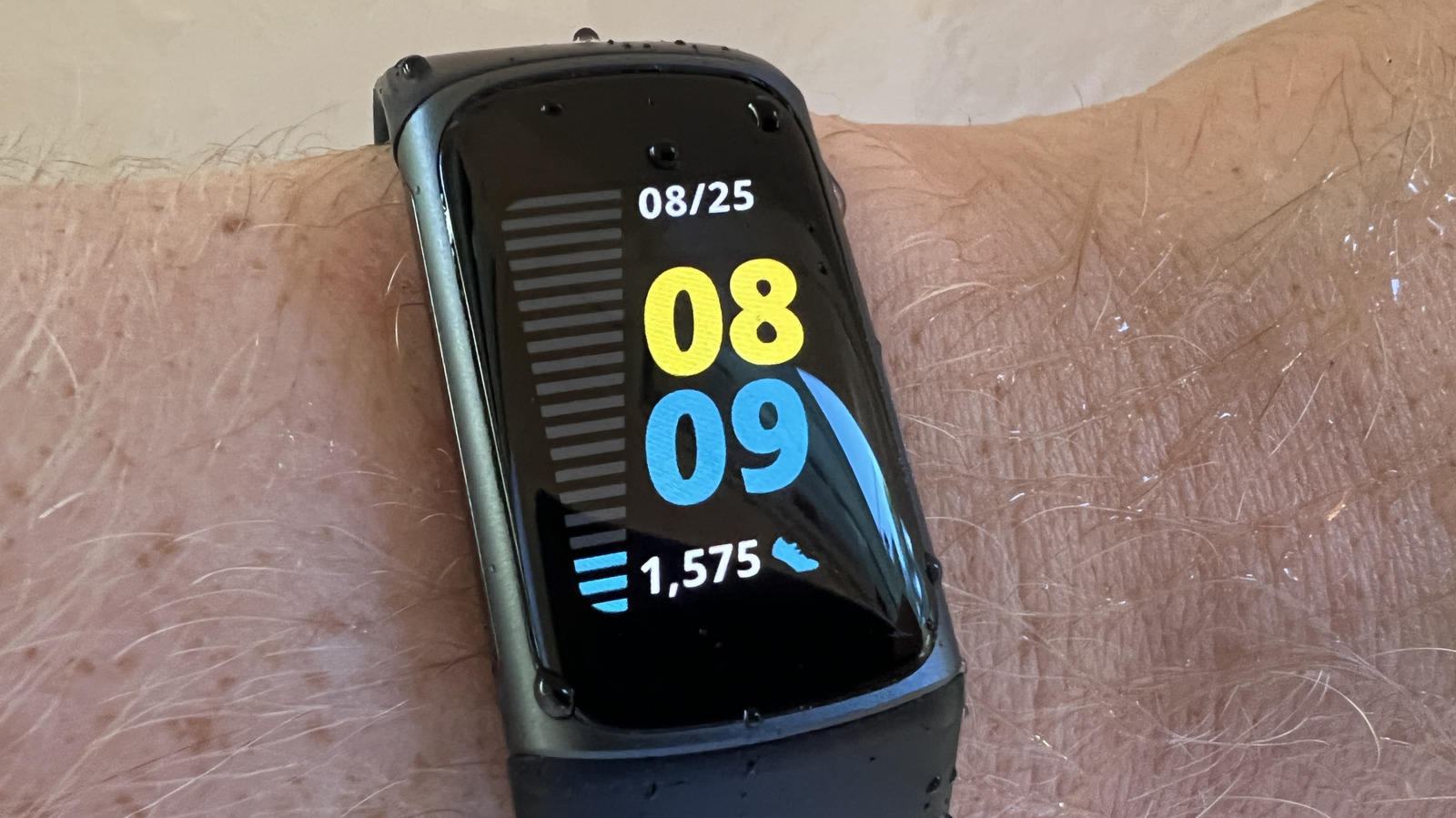
Fitbit owners looking to get more time between charges have a set of display, GPS and notification settings to adjust, and the choices carry over into the device's overall lifespan. The guidance covers models including the Charge 5 and 6, Inspire 3, Sense 2, and Versa 2 and 4, along with the Edge, according to Engadget. Fitbit trackers are typically expected to last up to three years, though some older units remain in use.
Turning off the always-on display is the most direct step. On the Charge 5 and 6, Inspire 3, Sense 2, and Versa 2 and 4, leaving that feature enabled cuts battery life to roughly three days per charge, and on the Edge it drops to about two days. Dimming the screen indoors, selecting a shorter screen timeout where the device offers one, and avoiding animated clock faces that draw more power also reduce drain.
Built-in GPS is another significant consumer of power on models that support it. Runtime with GPS active reaches up to 10 hours on the Fitbit Edge, five hours on the Charge 4, 5 and 6, and 12 hours on the Sense, Sense 2, Versa 3 and Versa 4. Where GPS settings are adjustable, users can switch to the phone's GPS or disable the feature when it is not needed.
Software should be kept current, and notifications should be limited to essentials such as calls, messages and calendar updates rather than unnecessary app alerts. Features including music controls, navigation, on-wrist calls and contactless payments also draw power when used, and continuous SpO2 tracking is described as a major drain.
For the battery's long-term health, fewer charges over time help preserve longevity. Charging should never take place below 32 degrees Fahrenheit or above 113 degrees Fahrenheit, and the device should be kept in a cool, dry place. Wearing it in very high humidity, frigid cold or saltwater should be avoided even on water-resistant models.
A Fitbit that will sit unused should be charged fully and powered off where that option exists, and it should not be left plugged in. Devices in long-term storage need a charge at least every six months to avoid a deep discharge state. Signs that a replacement may be due include rapid draining, a display that turns on and off, slow recharging, syncing problems with a phone and lagging performance.
The Fitbit Edge is the brand's first model with a replaceable battery, which extends the device's life for the cost of a replacement battery and servicing.
More hardware news from TechManNews.