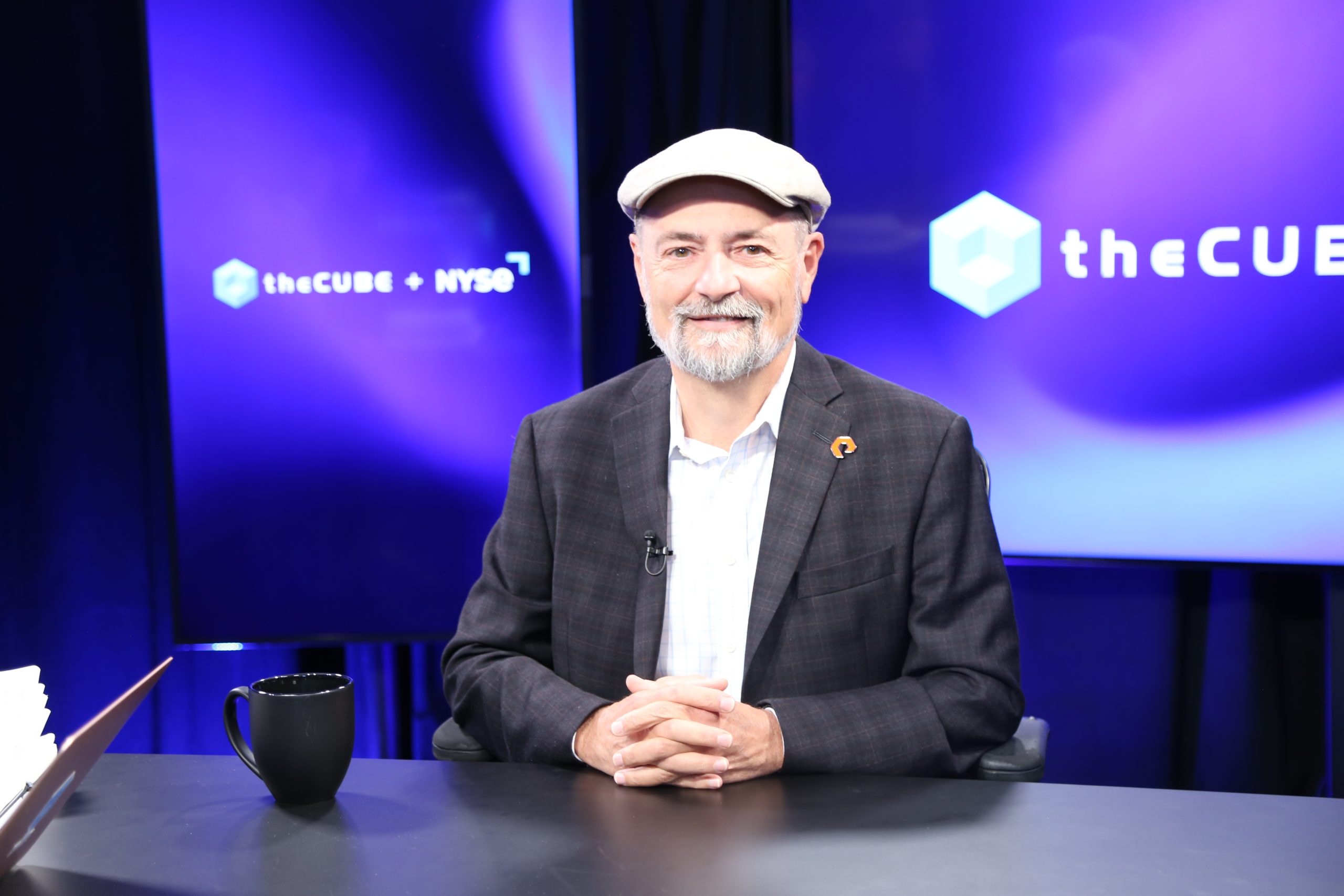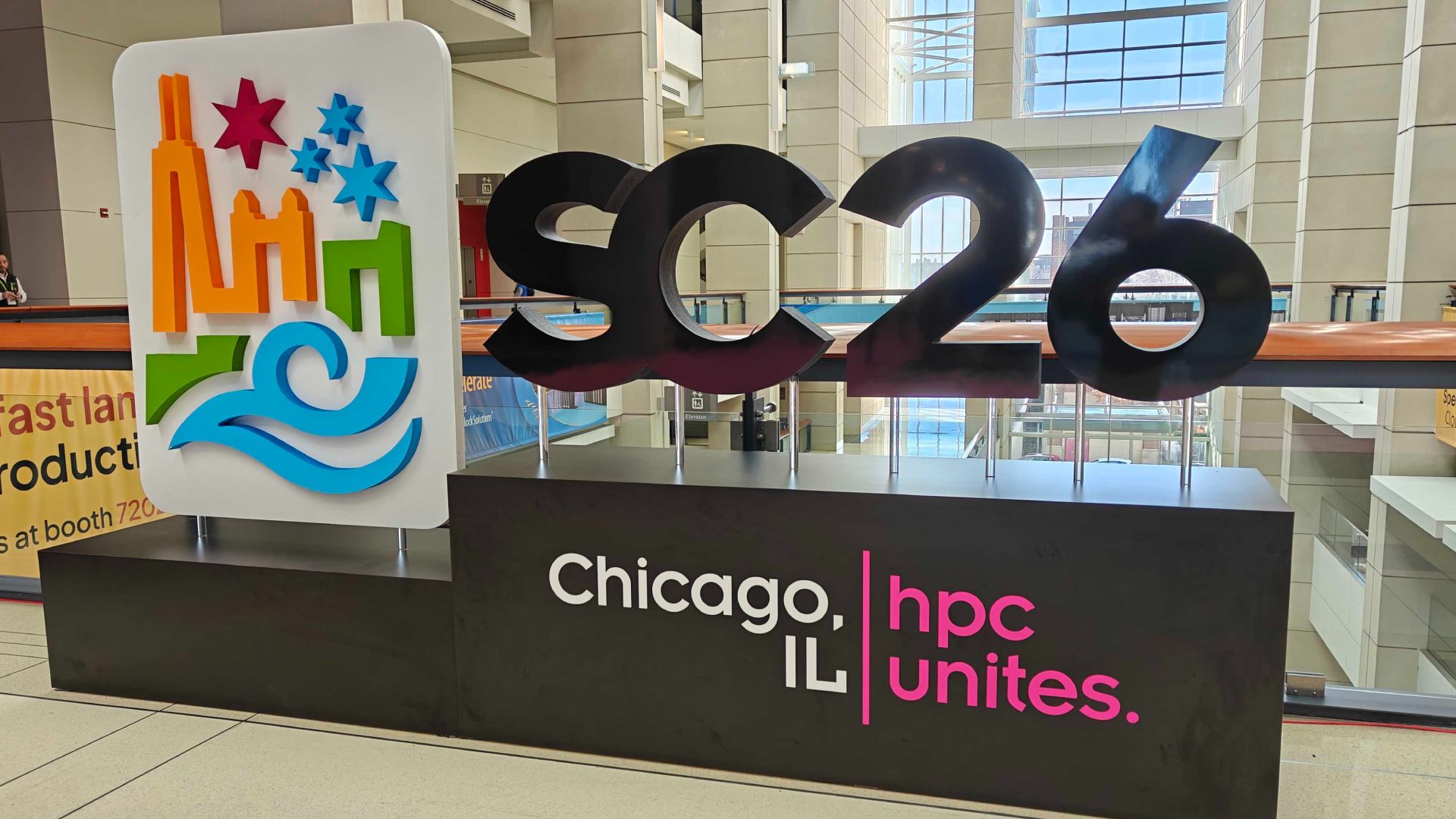
Nvidia's own CPU chief used the SC26 conference to push back on his company's marketing language for the Vera processor. Ian Finder said the notion that Nvidia could have foreseen the data center moment was absurd, and credited the company's design expertise instead. His remarks landed as AMD claimed its EPYC Venice lineup leads at agentic workloads, while Nvidia's marketing described Vera as purpose-built for Agentic AI.
Nvidia said at the show that existing software cannot always exploit Vera fully without optimization specific to the architecture, and that performance can improve by up to 39% on some workloads when its Olympus-based Arm cores are accounted for. The company has not shown how much gain Olympus-specific tuning can deliver beyond matrix multiplication. Nvidia also announced Rubin HPC, a Rubin GPU variant it says targets agentic workflows and large-dataset scientific simulation, with more than 50,000 CUDA cores, slightly under double the standard Rubin GPU.
AMD now appears in more than 40% of the new TOP500 supercomputer list, a 14% gain, led by Lux, which it developed with the U.S. Department of Energy. A second system, Discovery, is expected to arrive in 2028 with EPYC CPUs and Instinct accelerators. The top 10 of the TOP500 is unchanged, with China's LineShine in Shenzhen first and El Capitan second, and much HPC hardware is reportedly not being run against the benchmark.
AMD's Scott Tease argued that a heterogeneous compute stack is the best route to complex research problems, and that AI clusters will not fully displace HPC and high-precision work. AMD also said its MI430X's native FP64 operations will outperform emulated full-precision support in Nvidia hardware, pointing to effects on memory that is already in short supply. Intel's Diamond Rapids appeared at SC26 outside Intel's own booth, at the CXL booth and at Bull in a server, without demos, while Xeon 6+ and the Crescent Island GPU were demonstrated.
Elsewhere, Silicon Motion showed the SM8466 PCI 6 controller with PerformaShape 2, which raises quality-of-service sets from 256 to 512. Phison detailed two enterprise SSDs still in development, one with a built-in NPU and 64GB of memory and another combining pSLC cache with high QLC capacity on one controller. VAST Data said a simulation of its 900 PB system put the odds of data loss from petabyte-scale SSDs at 1 in 11 over a decade, and researchers from The Ohio State University discussed regional-scale high-performance networking.
Separately, Anthropic debuted on the NYSE and said it got its Claude Mythos model to optimize its software stack for AMD Instinct hardware in about three days with little human oversight. Intel's acquisition of quantum company Classiq is expected to close in the first half of 2027, with plans to build quantum processors on 18A and eventually sell quantum computers. SK hynix, Samsung and Micron have formed a body to standardize robotic charging so robots from different makers can share equipment.
More hardware news from TechManNews.