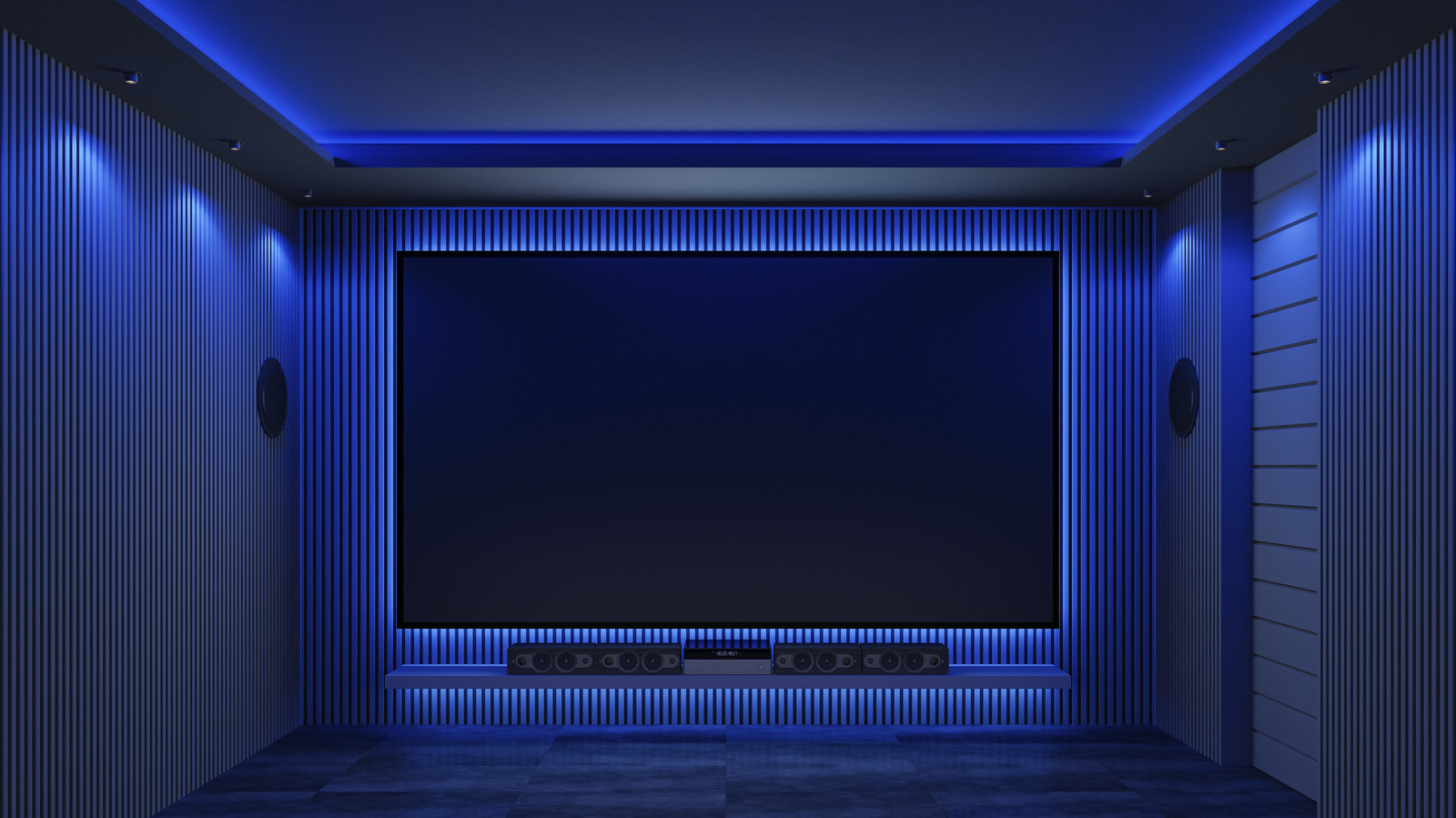
Testing a new Dolby Atmos sound system requires more than just turning it on, according to a guide from Engadget. Once users confirm each speaker is working, they need to run a full channel test to ensure the entire setup delivers the intended three-dimensional audio experience. The official Dolby 7.1.4 channel test file, available on Dolby’s website, plays a distinct signal for every speaker and audio channel, allowing owners of smaller configurations like 5.1.2 to verify that their equipment produces clean sound without dropouts. For systems lacking certain channels, the test may produce silence or route audio to a different speaker, depending on the setup.
The test file is a video with a visual guide, so users can match each sound to the correct speaker, including top rear and overhead positions. If a speaker is placed incorrectly, this process reveals the problem, giving users a chance to reposition hardware or reassign channels in their system settings. Beyond verifying technical function, the test serves as an immersion check: when working properly, each signal should appear to originate from the exact speaker the file indicates. Third-party test files with different audio mixes are also available online as alternatives.
After passing the technical checks, the guide recommends moving to real content, specifically a short, replayable sequence that acts as a benchmark. A full-length movie is not practical for fine-tuning, but a brief clip allows for repeated adjustments. Netflix’s anime short Sol Levante, under five minutes long, is highlighted as ideal because its extensive spatial audio mix stresses the system with moving effects and positional sounds. During playback, listeners should focus on spatial awareness over raw volume, ensuring that on-screen movement tracks across speakers, dialogue stays anchored in front, and ambient effects fill the room from top to bottom.
Music can also serve as a test, with Apple Music offering Dolby Atmos content, but only through an Apple TV 4K connected via HDMI. The guide suggests picking songs with clear vocal, instrumental, and spatial effects - ideally tracks the listener knows well, so any misplacement or imbalance is obvious. If problems persist after testing, the source material should be checked first: the movie or song must have a Dolby Atmos mix, and both the streaming service and playback device must support it. Connections, from individual speakers to the link between the TV and sound system, also warrant a second look, with HDMI ARC or eARC recommended for passing Atmos audio through.
Speaker assignments and calibration settings are another potential point of failure, and the guide advises rerunning the Dolby test if anything seems off. A speaker may work fine but be mapped to the wrong channel or sit in the wrong position for the room. Once the system passes the technical tests, the key is to pick one benchmark - whether Sol Levante or another brief clip - and stick with it, replaying it after every tweak to gauge improvements. Small adjustments, made methodically, should eventually deliver clear, well-calibrated Atmos sound.
More gadget news from TechManNews.