Porsche's electric Macan Turbo carries a starting price of $112,700, but the version tested by TechCrunch came to $149,610 including destination fees, with options alone adding enough cost to buy a well-equipped Chevrolet Bolt. The 2026 model is a two-row crossover with 630 horsepower and a 100-kilowatt-hour battery. Porsche provided the vehicle for a week-long evaluation.
During that time, the Macan Turbo drew no longing stares from other drivers and no questions from enthusiasts, blending into city and suburban traffic in a way that raised questions about what a sports car is meant to look like. The acceleration settled the matter for passengers: children driven to soccer practice rated the punchy acceleration highly, and the head-up display, a $2,660 option, reports G-forces that can mimic the pull of gravity. Stabbing the accelerator at 70 mph produces a strong lurch.
On winding roads the vehicle comes alive, aided by four-wheel steering priced at $2,150. Sport Plus mode lowers the car on its air suspension. The driving position places occupants in the Macan rather than on it, with a wheel that extends far enough for a sporty posture and a classic Porsche chronometer, a $1,040 option, atop the dash.
The test vehicle came in Slate Grey Neo, a $2,620 upgrade. Several other options struck the reviewer as skippable, including a $1,710 passenger display that plays YouTube videos, a $690 illuminated Porsche wordmark on the seatbacks, $420 puddle lamps that shine the brand name onto pavement, $640 headrest crests, and a $1,230 illuminated Turbo badge on the door sills. Friends noted that EVs technically cannot have turbos, though automotive naming has long been divorced from reality.
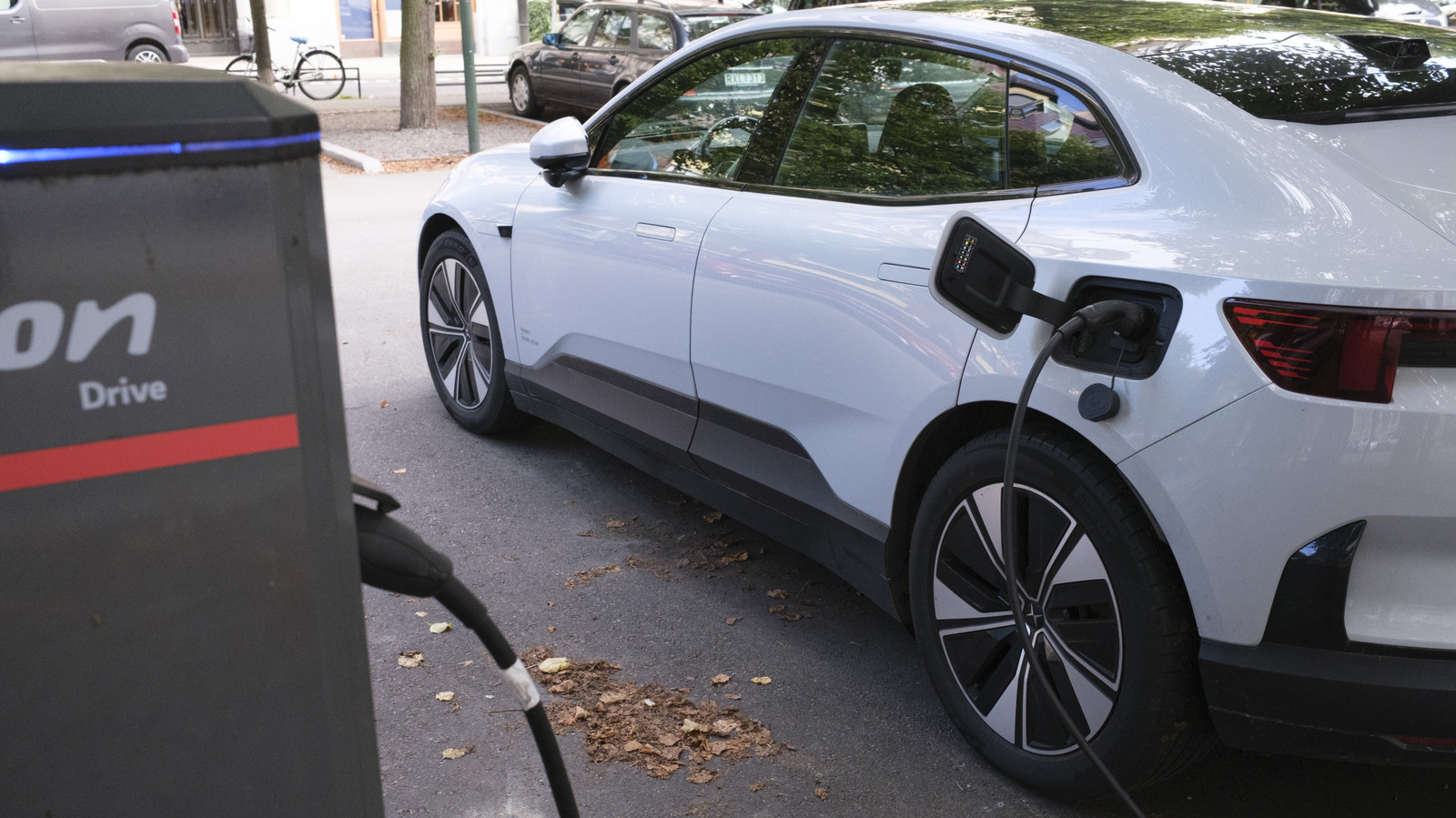
On the electric side, the Macan Turbo charged from 19% to 80% in exactly 20 minutes on a 350-kilowatt charger and delivered about 285 miles of highway range, despite $4,110 wheels and $660 tires that sapped some range. A $1,140 advanced driver assistance system worked well enough though it hunted a bit in its lane, and an AI-powered voice assistant interpreted queries and commands solidly. The navigation system proved underwhelming: at a 22% state of charge it directed the driver to a 50-kilowatt charger at a mall before a second 350-kilowatt charger across the street, and the car continued issuing that instruction even as the driver arrived at the fast charger at 19%. The charge rate peaked at 245 kilowatts against a 270-kilowatt maximum.
For buyers with deep enough pockets, the review concluded, EVs have blurred the line between sports cars and everything else.
More company and startup news from TechManNews.