Taiwanese prosecutors have confirmed that a Nvidia senior manager is among those charged in connection with a scheme to smuggle advanced AI servers to China, according to a Reuters report from Monday. The Keelung prosecutors did not release names but stated that the suspects face charges of breach of trust and document forgery. One individual linked to a related case remains at large, accused of siphoning funds from a distributor company involved in the effort to get restricted Nvidia chips into China. The probe stems from a separate US case in which Supermicro co-founder Wally Liaw was arrested in March for allegedly funneling $2.5 billion in restricted AI servers to China since 2022, when the US began requiring export licenses for semiconductors to China.
The Taiwanese investigation found that co-conspirators attempted to falsify documents to show that 130 B300 servers were installed at a Taiwan facility, but 74 of those servers were exported and delivered to Chinese customers. The remaining 56 servers were intended for China but were blocked after Taiwanese customs officials detected irregularities. Supermicro has said it is cooperating with Taiwanese authorities and emphasized that it is not a target of the probe, which has involved at least 12 locations. The company also confirmed that it fired several employees connected to the scheme after an internal investigation, which cleared its current senior officials of involvement.
The scheme allegedly involved coordination with unnamed employees at Supermicro and Nvidia, as well as a Southeast Asian firm that experts say was at the heart of the operation. Lauren Barden-Hair, an expert on China’s influence over multinational companies in Southeast Asia, wrote in an op-ed for The Hill that the unnamed firm used tactics similar to those from the 1998 "Chinagate" scandal, where China used Southeast Asian companies as cover. Taiwanese prosecutors said all indicted employees were fully aware of the rigorous internal control procedures at Nvidia and Supermicro regarding exports to China. Despite recent tightening of controls by the US and Taiwan, the employees’ scheme allegedly grew more brazen over time.
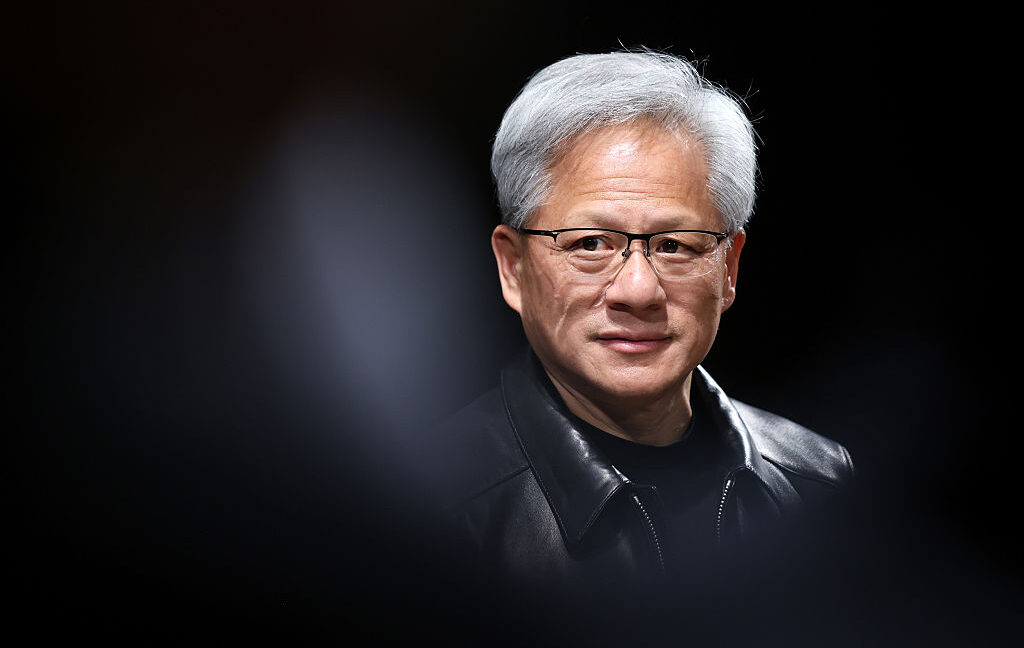
Nvidia CEO Jensen Huang was critical of Supermicro’s compliance program in May, before any Nvidia employees were linked to the scheme, according to Tom’s Hardware. Huang said Nvidia insists its partners are compliant and hopes they will enhance their regulatory compliance to prevent future issues. Supermicro has since made changes, but Tom’s Hardware noted the company may have been neglectful in not noticing billions of dollars in hardware being sent to questionable clients. Investors have also sued Supermicro for securities fraud over fears that its sales may rely heavily on illicit transactions.
The US is considering additional measures to tighten export controls, including the Remote Access Security Act, which would extend restrictions to remote cloud-based access to critical hardware and software. That law would target a loophole where China can access Nvidia chips via data centers in Southeast Asia, a factor experts say drives capability gains for Chinese companies like Alibaba, ByteDance, and Tencent. Hyperscalers are planning to expand data centers in the region from two current facilities to 31 planned projects. The bill is expected to face industry pushback because cloud providers would bear the cost of new compliance measures, including better know-your-customer protocols.
Taiwan authorities said Monday that Nvidia’s manager and Supermicro employees colluded at various levels for profit, illegally exporting high-end servers, increasing compliance costs, and damaging Taiwan’s international image. The global crackdown comes as Nvidia recently announced a 15 percent price increase for AI servers. Barden-Hair argued that the US was blindsided because it failed to learn from its history, noting that China has used Southeast Asian firms as cover before and continues to do so. She said the anonymous company referenced by the Justice Department shows that China’s financial influence extends beyond its borders.
More hardware news from TechManNews.