AMD Chief Executive Lisa Su said the company intends to discuss a wider partnership with Samsung as the chip designer works to lock down memory supplies, according to remarks she made to reporters in South Korea.
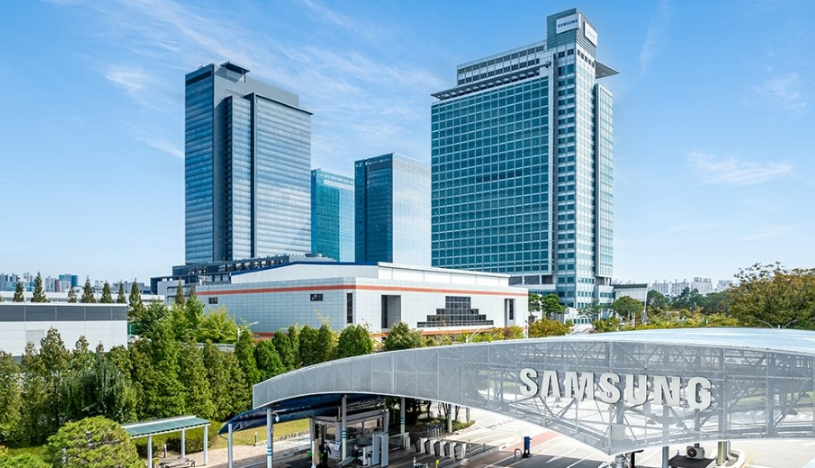
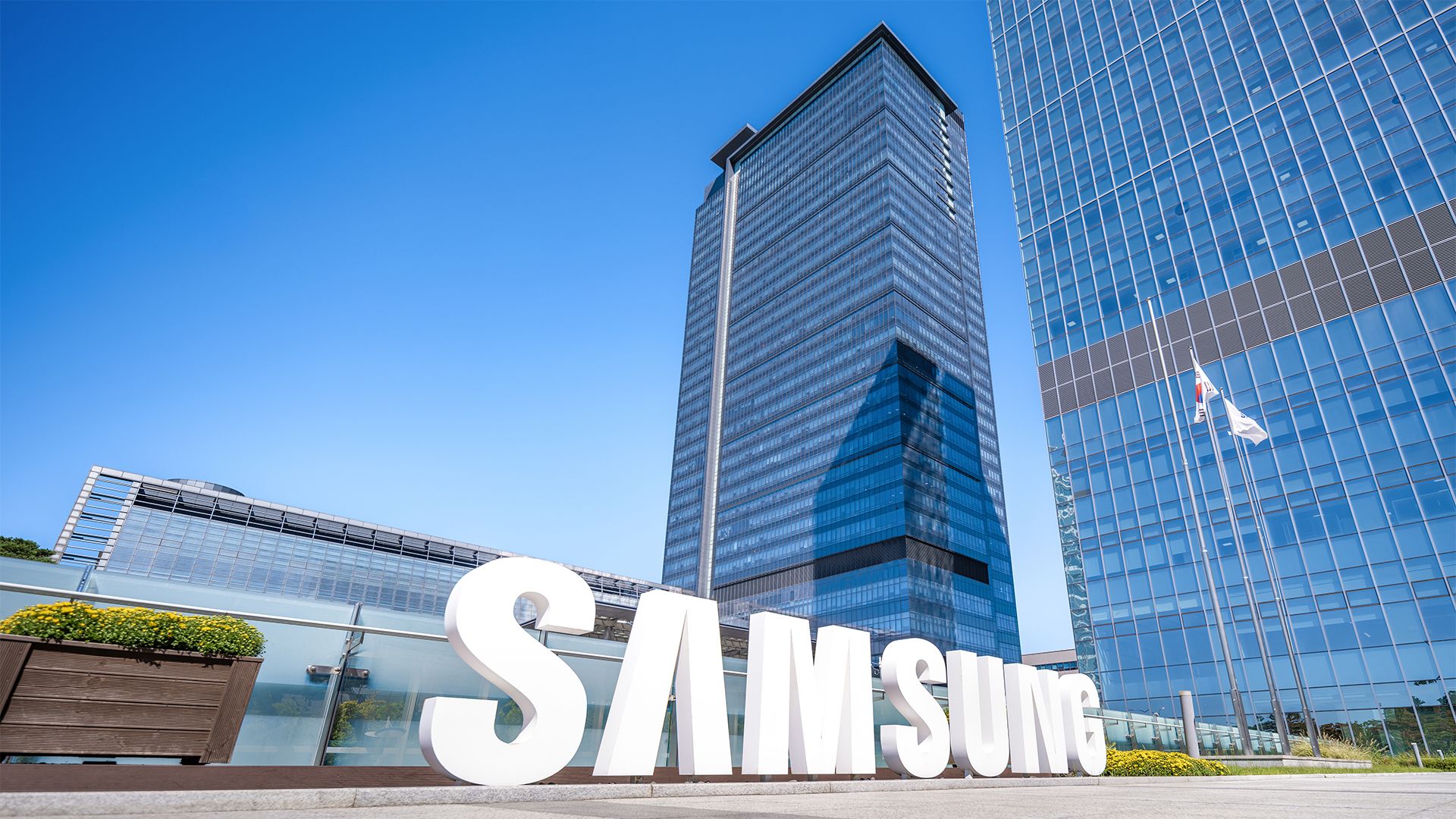
Su spoke with journalists before heading to Samsung's headquarters. She was joined by Jack Huynh, senior vice president and general manager of AMD's Computing and Graphics Group. The two had attended AMD Gamer Day, where they took questions from South Korean reporters and described the country's memory makers as important strategic partners. Su said Samsung Electronics and SK hynix are key supply-chain partners for AMD, according to Chosun.
Su tied the discussions to long-term planning for AI demand, which she described as extremely high. She said AMD plans its supply chain together with partners and that looking three to five years ahead matters. The comments point to the weight that data center-grade DDR5 and HBM memory carry for AMD's AI and data center businesses.
AMD and Samsung signed a non-binding memorandum of understanding in March that covered four areas and was set to remain in effect for three years. Samsung has become a principal supplier of HBM4 for AMD's Instinct MI400-series accelerators. Broadening the relationship past memory is harder, because it would require designing chips for Samsung Foundry's process technologies and carries the risks of ramping a product at a new contract chipmaker. AMD already uses Samsung Foundry and UMC to build integrated circuits in the form of programmable logic devices, but shifting more advanced products to Samsung is a riskier proposition.
Samsung needs large customers such as AMD, while AMD's reliance on HBM supply gives Samsung leverage, according to the report. AMD has warned in its most recent Annual Report that moving production of some products to new manufacturers could bring delayed product introductions, lower yields or weaker product performance.
Su also said AMD has begun shipping its next-generation Instinct MI455 accelerators and Helios systems, and that those systems use HBM4. The MI455 carries 432GB of HBM4 memory onboard, and the Helios offerings are rack-scale AI systems. AMD has started shipments to interested parties.
The open question is whether AMD will accept the risk of adopting Samsung Foundry for work beyond niche programmable chips in exchange for more high-bandwidth memory and the ability to sell more expensive AI accelerators.
More hardware news from TechManNews.