Motorola is preparing to release premium flagship smartphones in 2027 that will be fully supported by the privacy-focused GrapheneOS operating system, with pricing expected to exceed that of Google’s Pixel lineup. The devices will not ship with GrapheneOS preinstalled, but the project will support them with help from Motorola itself. GrapheneOS has previously only supported Pixel phones because of strict hardware requirements for maximum security and privacy, making this the first expansion beyond Google’s hardware.
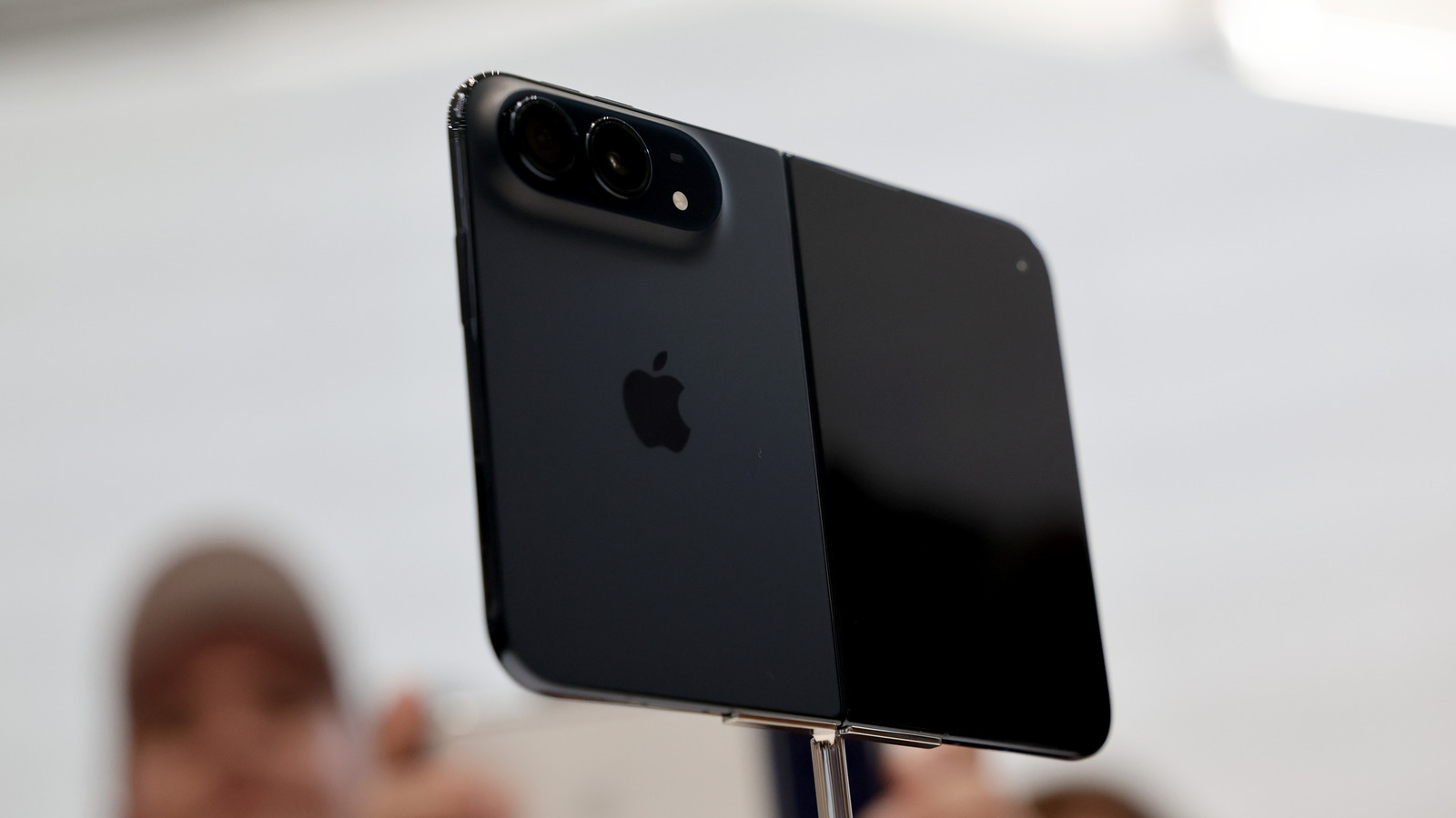
The GrapheneOS team said the upcoming Motorola phones will be expensive, likely well above the current Pixel price range. The base Pixel 11 currently starts at $900, up $100 from last year, while the Pixel 11 Pro XL has risen to $1,300. Given that Motorola did not release new non-folding Edge phones in 2026, the 2027 devices could be foldables, which would help justify the higher price tags. Ongoing price increases for components driven by artificial intelligence features are also contributing to the cost.
The high price requirement stems from the security hardware needed to run GrapheneOS. Google’s Tensor chips provide the necessary security features, while among Qualcomm’s chips, only the most expensive 8-series processors offer comparable capabilities. That means budget-friendly Motorola models like the Moto G line are not viable options for GrapheneOS support, as their Qualcomm chips lack the required security functions.
GrapheneOS, which is based on Android, includes features such as enhanced memory protection, granular network permissions, customizable app sandboxing, and a duress code that can wipe the phone. That duress code gained attention earlier this year when an activist used it to delete data during a customs interrogation and subsequently faced a felony charge. The project’s focus on these protections has made Pixel hardware its standard due to the Tensor chip’s security architecture.
Cheaper Motorola phones may eventually gain GrapheneOS support, but the developers do not see that happening soon. Qualcomm’s mid-range chips do not receive the same level of support unless manufacturers pay extra, and Motorola would need to commit to that across a wider product range. Additionally, Motorola currently offers only a couple of years of update support for budget phones, which is not enough for GrapheneOS’s requirements.
Motorola has not confirmed a release timeline for these devices, but GrapheneOS should be available for them at launch. The installation process requires some technical expertise, though the project already offers a web-based USB installer for Pixel phones and will likely provide similar tools for the Motorola devices. For US consumers, this means the first non-Pixel option for GrapheneOS will arrive at a premium price point, reflecting the cost of the high-end Qualcomm hardware required for the software’s security features.
More gadget news from TechManNews.