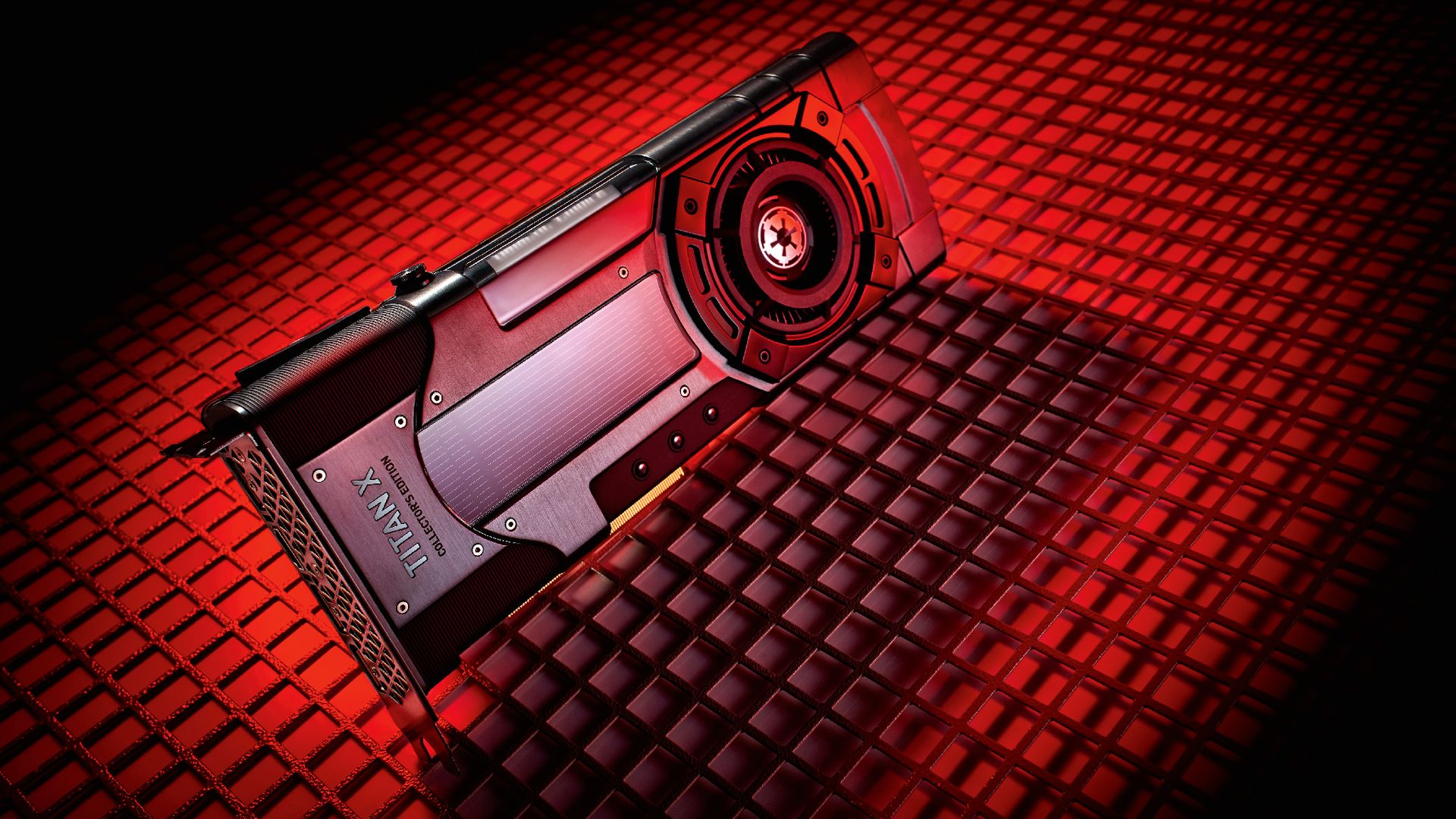
Nvidia's Pascal-generation graphics cards, long stranded on modern versions of Windows, can now run on 32-bit Windows XP through an unofficial driver package. The modified ForceWare release, labeled 382.69 with custom numbering, was assembled by a modder known as SupraGSX and targets retro hardware enthusiasts who want current GPUs inside legacy systems. It addresses a gap Nvidia itself never filled, since the company's official XP support ended with much older cards.
The custom driver is built from several existing Nvidia releases. Its base is the 368.81 driver, described as Nvidia's last Windows XP release with support for 9-series GPUs. Card firmware was pulled from Quadro 376.84 drivers, and Video Protected Region support came from the Windows 7 GeForce 378.78 release. While some websites have suggested the project was vibe-coded, the repository makes no such claim, and a quick review of the build instructions turned up no obvious signs of automated code generation.
Support covers most of the Pascal lineup, according to the code repository, with the GT 1030 based on the GP108 chip standing out as the notable omission. An experimental build adds support for the 1050 Ti. Because SupraGSX is still shipping new versions, the project's README is the best place for current information on supported hardware.
SupraGSX also worked on display compatibility, which can be difficult with modern high-refresh, high-resolution panels. The driver adds DisplayPort HBR2 and HBR3 support, HDMI 2.0 identification, mode-retry fail-safes, HDMI and DVI handling, and improved scaling and aspect ratio controls in the Nvidia Control Panel. Early testers report the driver largely works, including with ultrawide screens at high refresh rates. SupraGSX is active on the Vogons forums, where bug reports and feature requests appear to be collected.
For users who want 64-bit Windows XP instead, a fork of the Forceware driver once existed but has since been deleted. Its binaries remain available at Mega. Since these are all unofficial drivers, caution is warranted, and they should not be installed on systems where data safety is a concern.
More hardware news from TechManNews.